Commission of Investigation hearings may be held in private
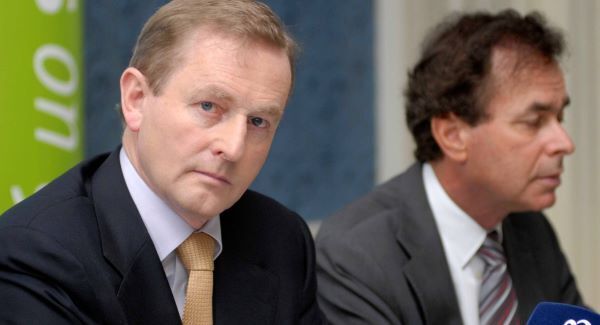
The Cabinet agreed yesterday that the nature of the hearings would be a matter for its chairperson, Justice Nial Fennelly, who has been appointed to conduct the Commission of Investigation and report to Government by the end of the year.
The inquiry will examine the broader issue of whether there was any “unlawful or improper” conduct by the gardaí investigating the death of Sophie Toscan Du Plantier 18 years ago.
It will also examine the “sequence of events” leading up to the retirement of former Garda commissioner, Martin Callinan, last month.
And it will look at the handling of a letter, sent by Mr Callinan to the Department of Justice on March 10, which the Government claims was not passed on to Justice Minister Alan Shatter until two weeks later.
The Oireachtas Justice Committee will discuss today whether they should call in Mr Callinan, or officials from the department to discuss these issues.
But Children’s Minister Frances Fitzgerald said it would “not be appropriate to have parallel investigations,” and that the committee’s recommendations have already been incorporated into the terms of reference.
Fianna Fáil welcomed the terms of reference but said it was “unacceptable” that the public would have to wait until the December “for the truth about what happened in the run-up to the removal of Martin Callinan.”
Niall Collins TD said the inquiry should report on a modular basis, so that the public can see regular updates on its progress.
“The crisis and timeline surrounding Commissioner Callinan’s removal from office should be relatively easy to clear up. I see no reason why the public and the gardaí should be forced to wait until the commission has completed all of its investigations to report on this particular issue.”
The Irish Council for Civil Liberties said it is disappointed with “the narrowness” of the terms of reference, which it said, “restrict” the judge to examining allegations of illicit tape recordings.
“The Government has failed to grasp the nettle of requesting the judge to examine the full range of Garda accountability issues that have come to light in recent weeks and months,” said its director, Mark Kelly.
The group has urged the Government to allow the inquiry to take account of two other reviews: the Cooke review into claims of bugging at the Garda Ombudsman’s office and the Guerin review into whistleblower allegations.
“The ICCL also considers that the Fennelly inquiry should consider the adequacy of the legal framework governing the use of surveillance in Ireland.”
The Cabinet also agreed Communications Minister Pat Rabbitte will be added to a cabinet committee to oversee reforms of the policing and justice system.
The attorney general will attend the meetings of the four person group, which also includes Taoiseach Enda Kenny, Tánaiste Eamon Gilmore, and Mr Shatter.
By Cormac O’Keeffe
The Commissions of Investigation Act 2004 introduced a new form of statutory inquiry in response to the expense, duration and legal wrangling blighting tribunals of inquiry.
They were to be a “less expensive and speedier method” of investigation.
While they have been praised for thoroughness — and in one case, speed — they have been hampered by legal delays, lack of cooperation, and in one case funding issues.
The most famous — and most regarded — of the Commissions of Investigation (CoI). The Government set up the Dublin archdiocese inquiry in March 2006, under the chair of Circuit Court judge Yvonne Murphy.
In a mammoth investigation, she examined how 19 senior bishops handled allegations of abuse made against a sample of 46 priests between 1975 and 2004.
The terms of reference were extended twice, including in March 2009 to examine cases in the Cloyne Diocese.
The 700-page Dublin report was referred by the Government to the High Court on a number of occasions in 2009, for fear publication might jeopardise criminal trials. All but one chapter was published that November.
The thoroughness of the investigation received widespread praise.
The two-year Cloyne report was completed in December 2010, but was not published until June 2011, due to legal issues, with a final chapter published that December. Again, the report received praise.
Perhaps the most troubled of CoI investigations, this was launched by the Government in April 2007 to examine the circumstances surrounding the gruesome death of Gary Douche in Mountjoy Prison in August 2006.
The report of the inquiry, conducted by Gráinne McMorrow SC, was submitted to the Minister for Justice at the end of last year, but has yet to be published.
The investigation was delayed by a criminal trial and a subsequent appeal. It was also dogged by difficulties in getting evidence and documentation from certain parties and the Government’s failure to pay Ms McMorrow for three years.
The chair told the Irish Examiner last October she completed a draft report — totalling 500 pages — in March 2012, copies of which were sent to all relevant people. This generated “a lot of new evidence and different information” she said, requiring additional hearings.
She said she is legally obliged to consult relevant people when changes are made, delaying the report repeatedly.
The investigation, chaired by George Birmingham SC, was set up in February 2006 and reported, very speedily, that September.
It was set up to investigate the circumstances surrounding a confession by Dean Lyons, who had since died, about the deaths of Mary Callinan, 61, and Sylvia Sheils, 59, at a psychiatric home in Dublin’s north inner city in March 1997. The investigation cleared the gardaí of deliberately framing Lyons, a heroin addict, but said he was able to construct a detailed account of the killings from information they gave him in “leading questions”. Mr Birmingham found senior officers dismissed queries by two junior members who expressed concerns about Lyons’ reliability.