Irish teens ‘average’ in problem solving test
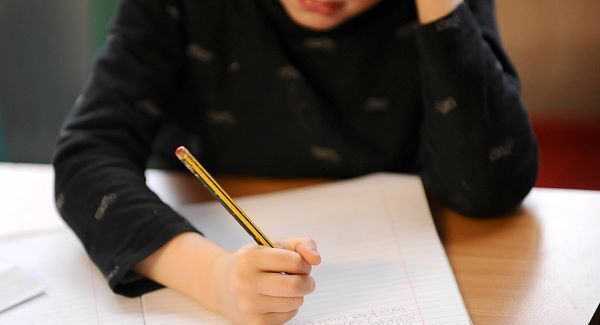
Irish teenagers’ relative inexperience at using computers for schoolwork may be behind unexpectedly low scores in international problem-solving tests.

Irish teens ‘average’ in problem solving test

They performed at or very near average in the latest results from the OECD tests set for 15-year-olds. In the problem-solving tests administered in 44 countries, Irish students’ results placed them 22nd, and 17th in a table of 28 OECD-member nations.

The 40-minute assessment in 2012 was done on computers, rather than the paper and pencil tests used for the main PISA tests.

Having scored significantly above average in science and reading, and above average in maths — in results published last December — the problem-solving test scores are lower than would have been expected.

“Students in Ireland may have been disadvantaged relative to students in other countries due to less familiarity, at home and at school, for school-related tasks,” said Rachel Perkins of the Educational Research Centre at St Patrick’s College in Dublin, which ran and analysed the tests here.

Surveys associated with PISA tests found that Irish teens use ICT less often than the OECD average at school in general, in maths lessons and at home, for school-related activities.

Research published in February, as part of an EU study, found just 39% of Irish girls aged 13 to 16, and 28% of boys, go online for schoolwork.

Teachers’ Union of Ireland president Gerard Craughwell said students need vastly-improved access to technology in school.

“They also support TUI’s view that any reform of the junior cycle must ensure, among other things, that all students have full access to modern ICT facilities and broadband. To date, we have not received anywhere near full assurance that this will be the case.”

Technology and other resources are among the concerns of TUI and the Association of Secondary Teachers Ireland, whose members will withdraw next week from training and planning for Education Minister Ruairi Quinn’s Junior Cycle Student Award, intended to replace the Junior Certificate. But Mr Quinn said the emphasis on skills development in the new award, along with the rollout of the Project Maths syllabus, offer students and teachers new ways of thinking and learning that should improve 15-year-olds’ problem-solving capabilities.

“Improvements in ICT, such as high-speed broadband being available in all second-level schools from September and the new digital strategy for schools which my department is drafting, will also benefit students,” he said.

The tests were taken by 1,300 Irish teenagers at 183 schools, and the ERC suggest a significantly higher-than-expected score among those in transition year could be down to greater engagement with computers or more opportunities to develop problem-solving skills during that year.

Problem-solving results for boys and girls were very near international averages, with males doing marginally better. The one-in-five Irish teenagers scoring at the lowest levels was in line with the OECD average, and 9% reached highest achievement levels - slightly lower than an OECD average of 11%.

More in this section

Lunchtime News

Newsletter

Keep up with stories of the day with our lunchtime news wrap and important breaking news alerts.

Cookie Policy Privacy Policy Brand Safety FAQ Help Contact Us Terms and Conditions

© Examiner Echo Group Limited