Report due on health impact of pylons
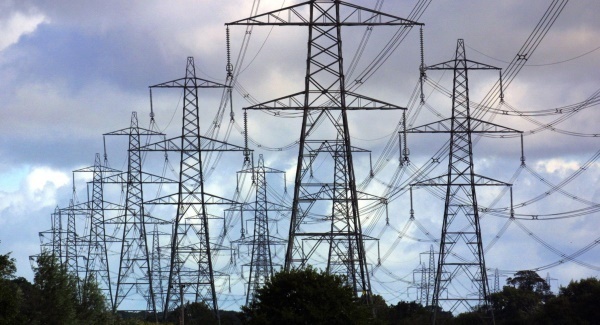
The European Commission said last night that its scientific committee on emerging and newly identified health risks will release the review of the health risks to humans from EMFs on Tuesday.
With three major pylon routes planned across the country, the Government this week said two departments will look at the possible effects on people’s health.
That review, involving the energy and environment departments, is expected to take consideration of next week’s commission report on EMFs. The Department of Environment yesterday said it expected its review, updating information since 2007, would be complete by the middle of this year or possibly as early as May.
Its work will include consultation with the Radiological Protection Institute of Ireland, as well as the Environmental Protection Agency.
Some communities fear that EMFs — which radiate from high-voltage power lines — may cause illness, including cancer. The World Health Organisation so far has said there is “no conclusive evidence that EMFs play a role in the development of cancer”.
Next week’s European Commission report will look at gaps in information about EMFs. It will also examine potential adverse effects of EMF on the nervous system, including neurobehavioural disorders, and on the risk of neoplastic diseases.
The study, entitled ‘Potential Health Effects of Exposure to Electromagnetic Fields’, will also review the scientific evidence available to understand the potential adverse health effects of EMF.
It is expected to inform any changes to EU legislation on the matter of EMFs, a commission committee official explained.
Meanwhile, Energy Minister Pat Rabbitte will today meet the independent chairperson he has appointed to oversee the terms for reviews of the Grid Link and Grid West power line projects. Eirgid will conduct the reviews, which will include examining the effects of pylons and lines on tourism and property values, as well as the option of running lines underground.
Panel chairwoman and former judge Catherine McGuinness is expected to seek clarity as to the panel’s role, including whether it is to also put forward recommendations for a review of the North-South interconnector, as recommended by Taoiseach Enda Kenny during the week.
Mr Rabbitte yesterday said he would ask the panel what work, if any, could ensure “a parity of treatment” between that line and the other routes in terms of the issues that could come up in the reviews.
However, planning for the North-South line had been under way for 10 years, he said, and studies were already done on the option of putting lines underground, which found the cost would be three times that of opting for overhead cables.