Baby girl’s body transferred by taxi for autopsy
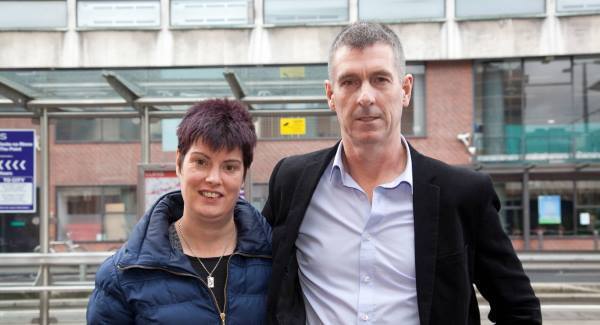
Shirley Cosgrave and Tom Lawlor, from Clogherhead in Co Louth, said they were only told that the body had been transferred by taxi from Temple Street Hospital when nurses at the Rotunda Hospital advised them to stay in their ward because reporters from a Sunday newspaper, who had been alerted by a taxi driver, were attempting to establish the identity of the parents.
They were speaking following the conclusion of the inquest of Georgina Cosgrave-Lawlor, who died at Temple Street Hospital on Oct 21, 2010. She was subsequently taken for postmortem to the Rotunda. Her mother was also being treated there at the time.
Mr Lawlor said that the couple were given no explanation for the taxi transfer.
A spokeswoman for Temple Street said that the hospital does not comment on individual cases and needs to confirm the standard operating procedure for the transfer of a child’s body back to the maternity hospital for postmortem. It is usual in such circumstances for the body to be accompanied by two staff members, including a chaplain, she said.
Dublin Coroner’s Court heard Georgina was born at the Rotunda on Oct 17, 2010. However, she was in poor condition and required immediate resuscitation. She was transferred to Temple Street, but her condition continued to deteriorate until her death.
Ms Cosgrave, who has type-1 diabetes, attended the ante-natal diabetic clinic at the Rotunda, throughout her pregnancy. She was admitted to hospital for blood stabilisation six times over the period including the 26 days prior to delivery. Ultrasounds showed that the baby was large. A plan for her insulin regime during labour was put in place in early October.
Ms Cosgrave was induced on Oct 17, one day ahead of schedule after it was suspected that her membranes may have ruptured. The inquest previously heard from registrar Dr Seifeldin Yousif that her blood sugars dropped at 5.45pm and he contacted the endocrinology registrar at the Mater who advised immediate treatment and modification of the insulin regime. Her blood sugars dropped again at 8.10pm and further treatment was given.
Dr Naomi Burke, specialist registrar, said that by 8.30pm, Ms Cosgrave was in the second stage of labour, however, she complained of feeling weak and faint although her blood sugars remained normal. A vacuum delivery was commenced and the head delivered at 9.11pm. However, the shoulder was caught and a number of manoeuvres were required to deliver the body over the next four minutes. Georgina was born in an unexpectedly poor condition, she said.
At autopsy, pathologist Dr Emma Doyle found that death was due to multi-organ failure with perforated necrotising enterocolitis after Georgina suffered an acute hypoxic event, or period of oxygen deprivation, at birth. The exact cause of this event is not known, she said.
Dr Fionnuala Breathnach, consultant obstetrician at the Rotunda, said where there is a suspicion of ruptured membranes, it would be considered substandard care not to act. She noted the baby’s heart was enlarged and may have not been able to function properly after birth.
Coroner Dr Brian Farrell returned a narrative verdict outlining the facts.
The couple’s solicitor said they have issued High Court proceedings in relation to the matter and would not be commenting further.
CONNECT WITH US TODAY



Be the first to know the latest news and updates