Children among 220 immigrant family members DNA-tested
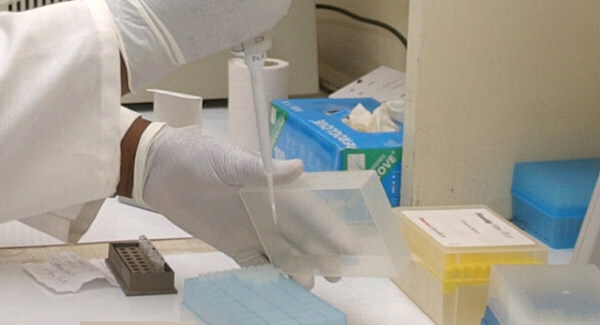
Around 220 DNA tests were carried out, mainly as part of family reunification proceedings where a relative of an individual who has been granted permission to reside in the State applies to the immigration authorities for permission to join them here.
Most of the tests, 82%, were sought to establish the parentage of a child central to the application, but people needing to prove that they were siblings, half-siblings, aunts, uncles and grandparents were also tested.
Some of the most frequently tested nationalities were those from Ethiopia, the Democratic Republic of Congo, Sudan, Zimbabwe, Nigeria, Uganda and Afghanistan.
The Department of Justice last week put the contract for the testing service out to tender, stressing the need for security around the taking of samples abroad.
It said staff from Irish embassies or consulates attended to oversee the process where they could, but this was not always possible.
“It is the responsibility of the tenderer to ensure that the collection of samples is carried out in a secure manner, and that their procedures for cross- referencing persons with their identity documentation stand up to close inspection,” it said.
Where tests were conducted within Ireland, they were to be arranged in a Dublin city centre location with a representative of the Family Reunification Unit with the Irish Naturalisation and Immigration Service attending.
The Immigrant Council of Ireland said transparency was essential in family reunification proceedings and it had concerns about the lack of detailed guidelines to govern the process and consequent large degree of discretion officials had in making decisions.
The Immigrant Council also voiced concern over issues raised in an EU report on racism published yesterday, which found persistent racist attitudes towards Roma people and warned the economic crisis was exacerbating the problem.
Denise Charlton, Immigrant Council chief executive, said the European Commission against Racism and Intolerance report had lessons for Ireland.
“The impact of the economic crisis and the targeting of minorities, such as Roma people in particular, is the main warning from the report.
“In particular there is a warning of hate speech and the perception that minorities are easy targets for Ireland.”
The commission reviewed Ireland’s performance on racism individually earlier this year and complained that there were insufficient safeguards against racial profiling by the gardaí and other public bodies.
It said that legislation should be adopted to specifically proscribe racial profiling.