Report finds hospital staff ‘missed 13 separate chances to save Savita’s life’
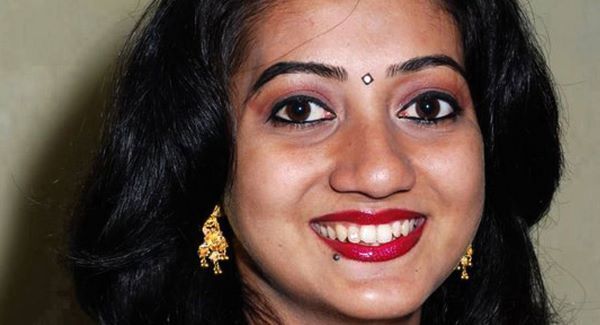
The finding is made in an extensive investigation into the incident by independent watchdog the Health Information Quality Authority (Hiqa), which has suggested those involved may face fitness to practise hearings.
According to the document, the initial missed opportunity occurred when Ms Halappanavar, 31, was admitted on Sunday, Oct 21. Between 3.30pm and 8pm, the report said, Ms Halappanavar was misdiagnosed with lower back pain when her blood tests were not checked, meaning her septicaemia went unnoticed.
The following day, three chances were again missed when her temperature, blood pressure, and heart rate were not recorded; a more reactive response to her membranes rupturing did not occur; and her deterioration was not recognised.
On Tuesday, Oct 23, three more opportunities in the morning, afternoon, and night to notice her significant ill health were not taken.
On Wednesday, when Ms Halappanavar was finally moved to the high-dependency unit, staffing issues meant she was not properly examined, a lack of urgency in treating her was apparent, and a number of misdiagnoses were made.
Hiqa’s director of regulation, Phelim Quinn, said Ms Halappanavar failed to be given “the most basic elements of patient care”.
He said “disciplinary measures”, potentially including fitness to practise hearings, may need to take place as a result of her death.
However, noting the fact the Medical Council and An Bord Altranais — which regulate doctors and nurses — are already involved, Mr Quinn said this must be left with the relevant bodies.
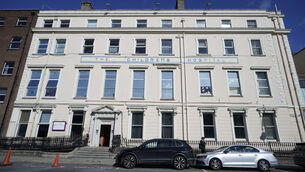
Among the key problems noted by the Hiqa report was that St Monica’s ward, where Ms Halappanavar was treated at University Galway Hospital, was at the same time being used as an overflow location for pre- and post-natal women, meaning it faced significant staffing skill-mix pressures.
Despite early warning score systems being in place for a number of years to help medics identify deteriorating patients quickly, Hiqa said there was a poor training uptake of the policy at the hospital.
In addition, Hiqa confirmed that a number of “retrospective” changes were made to Ms Halappanavar’s notes two weeks after her death — a time when it became known to the media — and that the hospital did not have guidelines in place for the management of sepsis or even a facility-wide definition of what it involved.
The report has called for a specific timeframe to be imposed for when the facility will implement Hiqa’s 15 recommendations linked directly to the case. They include closer attention to pregnant women’s care and clear pathways to specialist help for high-risk patients.
The facility will hold a “special board meeting” next week to ensure that this occurs.
Padriac Coneely, HSE West health forum chairman and Galway city mayor, said that “heads need to roll”.