‘Number trafficked into State higher than 201’
The first report by the Strasbourg-based human rights body since Ireland signed the convention against trafficking three years ago, questions the efforts made to find and prosecute those responsible.
According to the official figures taken from reports to the gardaí, there were 66 victims reported in 2009, 78 in 2010, and 57 in 2011.
Two thirds were women and a quarter were children, with a majority coming from Africa — especially Nigeria — but also from other European countries, Asia, and Latin America.
But the report says that gaps in the formal identification procedure for trafficking victims and the low rate of prosecutions mean that the official figures may underestimate the true scale of the problem.
The number of prosecutions and convictions was very low and the length of criminal proceedings was also a matter of concern. However, they also urge that the victims of trafficking should be exempt from punishment on the basis that they were forced to take the action they did.
The council experts say the Government should set up a specific system to identify child victims of trafficking with specialists to ensure the best interests of the child are the main consideration. They urge more attention be paid to prevention and protection measures for children. Steps already taken have reduced the number of children who disappear.
They warn about the danger of trafficking for labour exploitation and say the Government must strengthen action to combat this.
They also questioned the way victims are currently dealt with and were critical of suspected victims of trafficking having to share accommodation with asylum seekers. They suggested the establishment of specialised shelters.
They also say that victims are rarely given the time to recover, specified in the convention, because they are also usually asylum seekers or EU nationals. However, it says they should be offered all help necessary irrespective of their status.
Despite the fact that free legal advice is available to victims, they do not have a way of getting compensation.
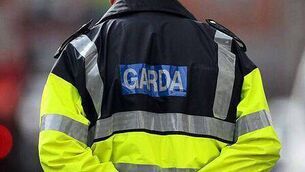
They recommend that NGOs and other members of civil society should be more involved in anti-trafficking policy and they should have a formal role in the identification of trafficking victims. Currently the power to identify victims lies with a limited number of officers in the special Garda unit.
This should be separate from Gardaí investigations and criminal proceedings against those responsible for trafficking.
On the positive side, the report praises the fact that anti-trafficking legislation has been adopted together with a comprehensive action plan, coordinating structures and specialised units and a number of awareness-raising activities.