Wearable computing getting smarter
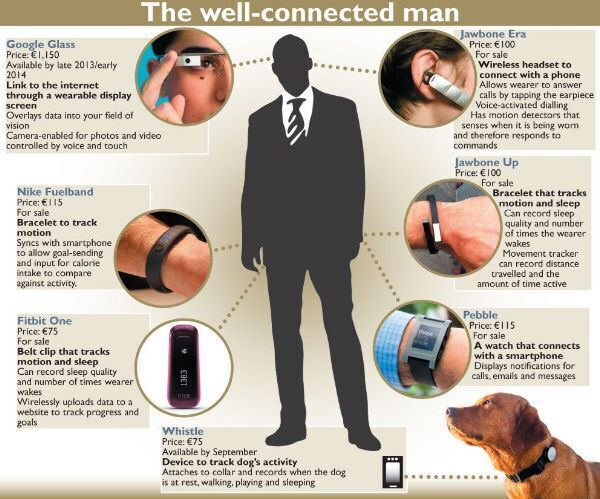
A wearable computing trend is at the heart of the âquantified selfâ movement in which people track anything from how many calories they burn to how well they sleep or their moods at any given moment.
âWe are heading for the wearable computing era,â Gartner analyst Van Baker says. âPeople are going to be walking around with personal area networks on their bodies and have multiple devices that talk to each other and the web.â
Understandably, the trend has found traction in fitness with devices such as the Jawbone UP, Nikeâs FuelBand, and Fitbit keeping tabs on whether people are leading active, healthy lifestyles.
The devices use sensors to detect micro movements and then feed information to smartphones or tablets, where applications tap into processing power to analyse data and provide feedback to users.
San Francisco-based Jawbone jumped into wearable computing years ago, building electronic brains into stylish wireless earpieces and speakers for smartphones.
Jawbone recently added muscle to its lineup of fitness lifestyle devices with a deal to buy BodyMedia.
BodyMedia makes armbands used to track caloric burn of fat-shedding competitors on US reality television show The Biggest Loser.
âThereâs an enormous appetite for personal data and self-discovery among consumers that will only continue to grow,â said Jawbone chief executive and founder Hosain Rahman.
A recent Forrester Research survey found 6% of US adults wore a gadget to track performance in a sport, while 5% used a gadget like UP or Fitbit to track daily activity or how well they sleep.
Worldwide shipments of wearable computing devices could climb as high as 30 million units this year, according to Forrester.
Interest goes beyond fitness to desire for things like a gadget that recommends films based on wearersâ moods and one that replaces keys when it comes to unlocking cars or homes, the survey indicated.
âIt is just amazing,â said engineering professor Asim Smailagic, director of a wearable computer lab at Carnegie Mellon University in Pennsylvania. âWe will see an exciting future ahead.â
Mr Smailagic began working on wearable computing at the university about 25 years ago, with projects including head worn displays that serve up technical information when needed during aircraft maintenance.
Sophisticated and inexpensive sensors for tracking movement, sound, GPS locations and more combined with âkiller appsâ in powerful smartphones have set the stage for wearable computing to be commonplace, he said.
âContextually aware computers will be hot topics for at least the next decade. Everybody likes to have the kind of help contextual computing can provide.â
Contextual computing goes beyond recognising where someone is to factoring in other information such as whether itâs lunchtime or if someone has shown a preference for a nearby restaurant.
âWhen you combine wearable computing with sensors and machine learning algorithms then you get context, the computer knows your state and is able to help out clearly in the situation.â
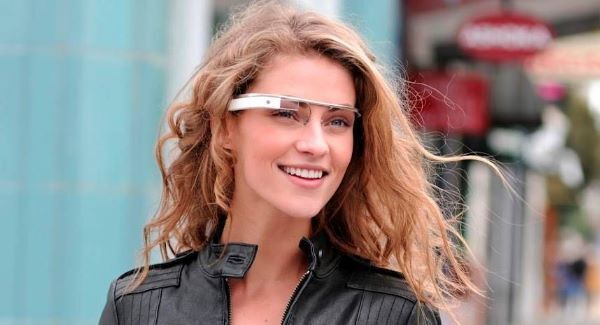
He is confident Google Glass will be a hit despite privacy worries expressed about the yet-to-be-released internet-linked eyewear with camera capabilities.
Google Glass connects to the internet using wi-fi hot spots or, more typically, by being wirelessly tethered to mobile phones. Pictures or video are shared through the Google Plus social network.
âWearable computing has to be unobtrusive, fit as a natural extension of your body, and not get in the way,â Mr Smailagic said. âGoogle Glass is on the right path to solve these problems.â
Apple chief Tim Cook last said he sees promise in computers shrunk down and worn like watches.
He predicted there will be âtons of companies playingâ in the wearable computing sector but sidestepped a question as to whether Apple would be among them with the creation of a rumoured âiWatchâ device to be worn on the wrist.
The wearable computing craze has already spread to dogs, with startup Whistle introducing a pendant that tracks canines.
Ben Arnold, director of industry analysis for consumer technology at NPD, said: âConsumers are ultimately going to become more aware of their data in the digital ether,â he said. âI suspect wearables are going to disrupt the way tech firms are doing business now.â