Child abuse referrals have doubled since 2005
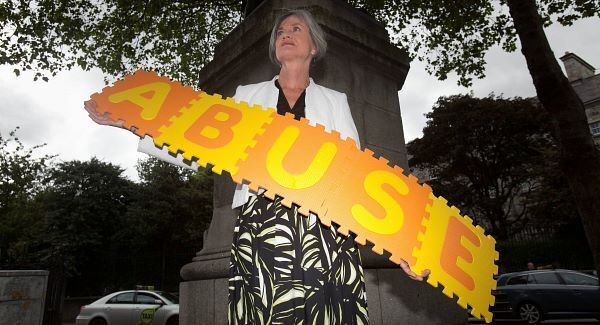
The domestic violence support group recorded a 55% year-on-year increase in violence against children of abused women in 2012.
Women disclosed on 3,230 occasions last year that their children had suffered emotional, physical, and sexual abuse.
Children were hit, sometimes with household items, smacked, constantly shouted at, and, in some cases, sexually abused.
“The most recent figures for referrals of child abuse to the Health Service Executive show that there were 19,044 referrals in 2012,” said Ms Fitzgerald. “This represents a doubling in referrals in seven years from 9,503 in 2005.”
Women’s Aid director Margaret Martin said: “At times, the perpetrator has deliberately targeted the children as a way to hurt both them and their mother.”
At the launch of the 2012 Women’s Aid report, Ms Martin said more than 1,000 children saw their mothers abused last year.
“Many children have witnessed their mother being shouted at, threatened, physically assaulted and at times have seen their mother being raped.”
Women’s Aid says custody and access arrangements in family law proceedings often disregard the impact of violence on children and risk continuing abuse of the children and their mothers.
“Child contact should not outweigh child protection and safety should be prioritised in all custody and access proceedings,” said Ms Martin.
“To do anything less is to fail women and children.”
Women’s Aid believes the best-practice principle of protecting the child through the non-abusive parent should be reflected in any changes to family law or domestic violence legislation, as well as changes to any child protection structures.
It is also calling for the provision of an out-of-hours on-call system for emerg-ency barring orders, which would provide 24/7 access to legal protection for women and their children when they need it the most.
The Woman’s Aid free-phone helpline answered 11,729 calls last year — about 65% of all calls made.
“The ability of some women to escape domestic violence is being hampered by the recession,” said Ms Martin.
“Women fear increased impoverishment, losing their home, and the effect of poverty on their children.
“Women who do try to leave often find it harder or impossible to access vital supports such as housing, refuge, welfare, and legal representation.”
Some women who escape an abusive relationship find it does not mean the end of the abuse. Last year, 49% of women supported by the support group’s one-to-one service experienced abuse from a former partner.
www.womensaid.ie
There was a lot of positive feedback about the Irish Examiner’s special investigation of domestic violence from women who called the Women’s Aid national freephone helpline, it has emerged.
“The feedback, largely anecdotal, was that it was great to have this issue covered so well; that it was very comprehensive; and that a lot of the articles showed a deep understanding of what the issues were and a lot of care went into it,” said Women’s Aid director Margaret Martin.
“Too often, because domestic violence is such a complex issue, the kind of attention that is given to it is quite superficial.
“I think the Irish Examiner is really good at dealing with social justice issues. It is important the people experiencing domestic violence know that it is not just Women’s Aid reaching out to them; that there are people in the media highlighting domestic violence as a very serious issue.”
* Around 32 calls were made daily last year to the Women’s Aid helpline.
* Staff managing the charity’s freephone helpline — 1800 341 900 — answered 11,729 calls, holding 508 one-to-one support visits, and 162 court accompaniments.
* Of those suffering domestic abuse, 97% were women and almost half were abused by their husband; 7% by an ex-husband, 16% by a partner and 10% by an ex-partner.
* Only 7% sought help in the first year of an abuse.
* Almost one third lived with abuse for one to five years, with 61% living with abuse for more than six years, including 6% who were with a violent partner for over 30 years before seeking help.
* Of those who called the helpline, 42% were from Dublin, while 27% of calls came from outside the capital. Almost one third of callers did not disclose their location.

CONNECT WITH US TODAY



Be the first to know the latest news and updates