Horse sold as beef in 16 EU states
However, results due from France today are expected to show the fraud occurred on a massive scale.
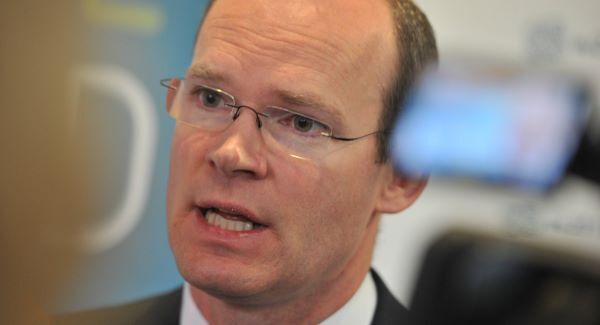
Agriculture ministers held an emergency meeting in Brussels chaired by Ireland’s Simon Coveney as the number of countries where horsemeat was sold as beef extended to 16, with Germany the latest to discover equine DNA in products.
Europol, which co-ordinates EU police, will also be consulted as the number of traders, processors, and slaughterhouses involved grows.
“It is becoming clear that this is a EU-wide problem that needs a EU-wide solution,” said Mr Coveney.
The Dutch authorities are linking in a Belgian national with a previous conviction for selling horsemeat as beef to French processors, while a subsidiary of the French company in Luxembourg was implicated in another 140,000 tonnes of falsely labelled food.
The authorities were at pains to say there were no health issues over the meat tested so far, but 4,000 samples of raw horsemeat both produced in the EU and imported will be tested for traces of the chemical phenylbutazone over the next month.
A further 2,500 samples of processed food containing meat will be tested next month, with results due on Apr 15 and tests to run for a further three months. Each test costs €400 and the EU has agreed to fund half the cost. The number represents a fair representational sample, the commission said.
Mr Coveney said results from the Irish, French, and British investigations should be available soon, and said the Irish investigation team began DNA testing last month when someone asked how frozen beef burgers could be sold so cheaply.
“It quickly became apparent that there was something wrong with the system,” said Mr Coveney. “We want to get to the bottom of that and put infrastructure in place to ensure it doesn’t happen again. There is more than one person responsible, not that difficult to trace it. We will have to wait and see when we pull together all the data.”
The DNA testing is to identify what kind of animal meat is in products.
“This will be the beginning of the story,” said Mr Coveney. “To find who was responsible will take more time, but I’m convinced member states will get to the bottom of this and sanctions will be applied by them. Please appreciate the complexity of the meat industry, exported, stored in another country and processed in a third.”
Member states are responsible for testing and enforcement in their own countries but consumer commissioner Tonio Borg said states will co-ordinate testing. There was already legislation on labelling and against fraudulent labelling, he said
The European Parliament voted for mandatory labelling for fish, meat, and poultry content in processed foods just over two years ago but it was rejected by the member states. France is now pressing to reintroduce this legislation.
IFA president John Bryan, following a meeting in Dublin, said measures must be implemented to ensure the reputation of Irish beef, including applying the Bord Bia Quality Assurance Scheme right across the sector including secondary processing: Retailers, butchers and restaurants must label clearly; only Irish raw materials should be used in meat products labelled and sold as Irish; DNA testing and greater controls at secondary processing level, especially on imports; guilty processors must lose their licence; the Department of Agriculture must publish the names of companies importing meat and the volumes involved on a monthly basis.
The horsemeat scandal has highlighted the tortuous supply chain of the ingredients used in some food products.
Tesco, frozen food firm Findus and Aldi were supplied with products containing horsemeat by Comigel, based in north-east France.
Comigel instructed Tavola, its subsidiary in Luxembourg, to make the products. Tavola placed an order for the meat with Spanghero, in the south of France, which contacted a Cypriot trader, who then subcontracted a Dutch trader.
The Holland-based company placed an order with abattoirs in Romania, who sent the meat to Spanghero. The Doly-Com abattoir in Roma in Romania opened its doors to the media in a bid to demonstrate its innocence. It said the meat was properly declared and any mislabelling occurred elsewhere.
Comigel’s factory in Luxembourg received the meat from Spanghero, and it was then used in food products which were sent to stores across Europe, including Ireland.
Neil Lancefield

CONNECT WITH US TODAY



Be the first to know the latest news and updates