ESRI research suggests working-class pupils given poor guidance
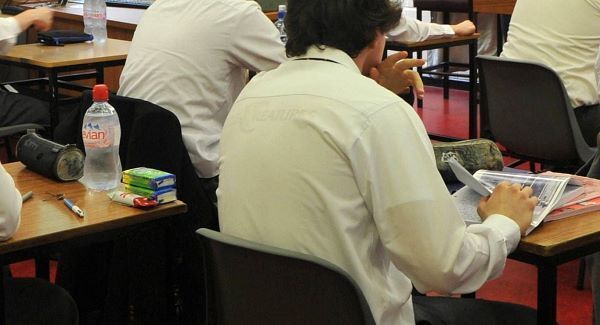
The ESRI says guidance counsellors in schools serving working-class populations are more likely to emphasise personal support aspects of their role than those in other schools.
As part of its long-term study tracking 900 children through second-level, the ESRI focused on the guidance given to sixth-year students at a mixed-gender, fee-paying school and a working-class girls’ school where there were strong aspirations among students to attend higher education.
Researchers Emer Smyth and Joanne Banks will present the findings, published in the British Journal of Sociology of Education, to a seminar at Dublin Institute of Technology today.
Students in both schools were frustrated by a lack of adequate guidance but those in the working-class school lacked specific information about their options and felt the onus was on themselves to gather their own information about higher education. They had a clear lack of knowledge about the colleges they can apply for and the specific courses available to them, unlike those at the fee-paying school.
One in five of the girls had been to more than four guidance classes in their final year, a quarter of the proportion at the fee-paying school.
“She [the guidance counsellor] gives you... books, she doesn’t organise... things to do with you, like say go to colleges and have a look around colleges, she doesn’t do that,” said one student at the working-class school.
When some students tried to go to more than one college open day to find out about courses, they got into trouble with teachers who felt they were trying to miss school.
“[You] don’t know which college you want to go to so you have a look at a few, then one of the teachers was running amok saying ‘what did yous go to all them for?’ You know, because they are saying we are dossing and missing classes and all,” one student said.
The guidance counsellor at the school said each student gets an individual appointment to go through their subjects, possible Leaving Certificate points, and future aspirations.
The ESRI said there is a gap in expectations, where students appear to have higher aspirations than their teachers and guidance counsellors, with staff more focused on preparing them for life.
Students felt ‘put down’ by the choices given to them and the reaction of the guidance counsellor when those options are contested.
One student said she was told to be realistic and to go for something else, despite her stated commitment to work for the necessary grades.
Other teachers were reported to have made clear that they expect very little of them when they leave school, upsetting students with suggestions that they will not ‘go for anything’ and become pregnant.

CONNECT WITH US TODAY



Be the first to know the latest news and updates