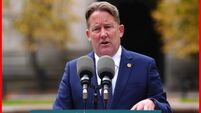
Coveney to propose doubling of betting tax
The move could generate up to €100 million annually for the Government. It would see the tax doubled to 2% of amounts wagered by consumers in order to help sufficiently fund the horse and greyhound racing industry.
Mr Coveney said the previous government had wrongly cut the betting tax right down and the Exchequer was now having to fund the industry.
Speaking at the MacGill Summer School in Donegal ahead of visiting the Galway Races yesterday, he said: “I’m confident that the bloodstock industry has a secure future, but I need to ensure that it’s properly funded and I would like to ensure that it’s self-funded by a taxation on betting.
“I’m not satisfied that the decisions of governments over the last 15 years have been the correct ones to reduce betting tax by 10% of turnover down to 1% of turnover and, as a result, we have to actually supplement the horse and greyhound fund with Exchequer money which is crazy when it actually could be self-financing,” said Mr Coveney.
The betting tax was reduced from 10% in stages and eventually down to 1%, mainly under changes introduced by former finance minister Charlie McCreevy.
The 1% tax last year raised around €30m and is expected to yield the same this year. However, the minister said the amount alone is insufficient to fund and promote the racing industry.
His department and the Department of Finance are reviewing plans to roll out legislation and a tax for online betting, which is expected to be ready in the autumn. The combined tax yield from online betting and from betting shops could raise between €80m and €100m, he said.
“The first thing the Government has to do, and we are in the process of doing it, is to actually extend betting tax for online betting through websites.” The online betting tax law will also require websites taking money from Ireland to have a specific licence, a process under way in Britain.
The minister said there was ongoing interest from abroad in Ireland’s bloodstock industry.
“Only last week I met with groups from Morocco, Turkey and Korea who have horse racing interests here and want to buy mares and stallions from here to get better blood in their stock.”

CONNECT WITH US TODAY



Be the first to know the latest news and updates