FG tries to revive old auction politics
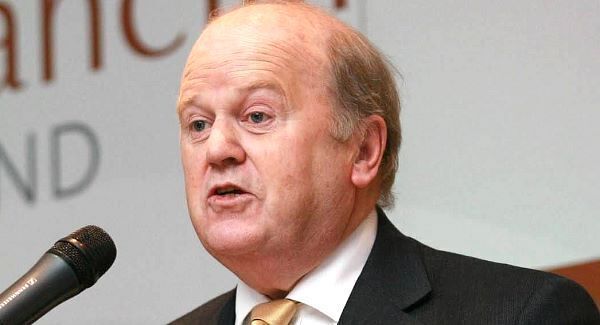
Clearly, there can be no return to the credit-fuelled orgy of the 2007 campaign, but Michael Noonan has still tried to sprinkle a little sugar for voters in his party’s begging bowl.
Property tax? Dirty socialist/FF nonsense, says Mr Noonan. So what if just about every other Western country has one, down with that sort of thing here — especially if it puts clear blue water between FG and the others and marks out Mr Noonan as the buddy of the property-crushed majority.
Taxes? Don’t make Mr Noonan laugh. Like an unusually smooth market stall vendor, he screams out to the passing floating voter: “Not 50%, that’s the Reds. Not even 38%, that’s Micheál Martin’s economic dregs, just 27%, yes 27% of the deficit reduction to come from taxes — a once-in-a-lifetime offer!” But in order to keep the tax share at 27%, some 73% of finance needed to cut the deficit must be found in cuts.
Mr Noonan insists there are billions of euro waiting to be plucked from the money tree that is State-spending — but the reality often does not turn out like that. Opinion polls show overwhelming numbers favouring spending cuts over tax hikes, but when this is nuanced into alternatives such as, would you like to see fewer cancer nurses on wards, or gardaí on the streets to keep levies at a minimum, voter perception changes sharply.
Mr Noonan intends to cut 30,000 public jobs, but claims the public will not notice a thing so bloated has our state machine become under Fianna Fáil.
The differences may have been small, but the fact that FG’s figures on the ratio of cuts to taxes has changed four times in as many weeks points up the fact that such spending reductions can never be as painless as politicians portray. Mr Noonan blames the ever-worsening economic growth forecasts for the “tweaking” — but that just underlines what a hostage to fortune any promises are at the moment.
Apart from perhaps the gardaí, Fine Gael has never had much of a following in the public services and has recently watched the swathe of state-funded workers switch their political allegiance almost en-masse from Fianna Fáil to a new protective champion in the shape of Eamon Gilmore’s Labour, so the Blueshirts know they have little left to lose by looking tough in this area.
But pensioners are well and truly in play and Mr Noonan has saved up for a little tempting treat for them in the form of higher tax breaks.
Further welfare cuts are also envisaged, but public sector pay, including the Taoiseach’s, will be capped at €200,000. That is a nod to populist sentiment, but Mr Noonan made it clear there would be little sympathy from him for nurses seeking a reverse in their wage cuts.
It is also intriguing that the strongest attack on the package came not from Fianna Fáil but from Labour, Fine Gael’s expected partner in Government.
Joan Burton condemned the plan to take almost €10 billion out of the economy over the next four years as a “disastrous recipe for stagnation and joblessness”.
Indeed, Labour used the document to paint FG as part of an IMF/FF-led “Tory consensus” designed to “suck the lifeblood” out of Irish people — which should make those programmefor government negotiations interesting to say the least.
Fine Gael has produced substantive and wide-ranging policy documents on the economy over the past year and no-one could accuse it of going light-handed into the election arena.
But its claims to only care about not shirking the hard choices needed to turn the ship of state around are compromised somewhat by its willingness to offer the odd electoral bribe to the floating voters, while leaving those in society outside of its wider support zone to sink or swim by themselves.