Martin’s tough guy approach to public workers may yet backfire
By Tuesday, the Fianna Fáil minster’s department had pushed the Civil and Public Services Union (CPSU) into an embarrassing climb-down in the industrial dispute at the Dublin passport office.
This came after a public panic about securing passports developed over the weekend.
Management announcements, including the disclosure of a 40,000 application backlog, certainly did nothing to prevent massive queues of irate people gathering daily.
In response, the CPSU announced the standing down of their work-to-rule action. But Mr Martin, from France, continued to demand a complete end to the industrial action or pay would be docked.
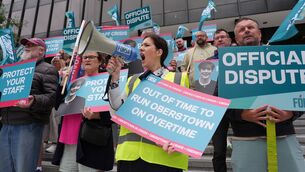
The CPSU leadership, a group which is very aware of the militants within their own ranks, felt they had no option but to issue protective strike notice.
Department of Foreign Affairs officials were sure they had public opinion behind them. However, if the vocal minority which call the Joe Duffy radio programme were a complete reflection of modern Ireland, we would be living in a much more interesting and hysterical country.
More critically for the CPSU leadership, who were alone in declaring an overtime ban after the resumption of pay talks with the Government, Mr Martin’s push rallied a previously highly-critical wider union leadership. Calls by Fine Gael politicians for court injunctions against the union solidified this.
As one leading union official commented, some media outlets which devoted much column inches to condemnation of passport delay times have been less vocal on the waiting times for public hospital patients.
From being an embarrassment to union leaders attempting to negotiate an overall pay deal at the Labour Relations Commission, the passport office dispute will this weekend be pointed to as proof of public-sector workers’ resolve.
As Foreign Affairs secretary general David Cooney has indicated, the passport office is merely feeling the “localised impact of a centralised dispute”.
Despite LRC chief executive Kieran Mulvey’s demand for a strict media blackout from talks participants, there are strong indications that the negotiations are proving very difficult.
With queues now gone from the passport office, how the dispute really played out among the public and union members will be a key consideration for negotiators.
Politically motivated strikes are practically illegal under Bertie Ahern’s 1990 Industrial Relations Act, but that will not stop union and Fianna Fáil leadership closely examining who would gain from a positive or negative outcome to this weekend’s crunch talks.

CONNECT WITH US TODAY



Be the first to know the latest news and updates