Only one in eight security firms has licence to operate
The 50 companies received the licences under a new State regulation system operated by the recently-established Private Security Authority (PSA).
Up to 250 other companies including most of the biggest firms have applied for licences, but have not yet been awarded licences to operate.
These companies, which faced a deadline of midnight on 31 March, only applied for their licence in the last few weeks, up to and including yesterday.
"We've had to deal with a huge influx in the last few weeks," said a spokesman for the PSA. "We knew there would be a bit of last-minute rush, but it has been greater than anticipated."
The security companies working in the sector of static security guards and door supervisors were supposed to have licences to operate after 1 April.
The firms had to be audited by their industry standards body before they applied for the licence from the PSA.
But because most of the companies left it too late, the standards body was not able to audit all of them before the deadline.
The PSA has given letters to those companies allowing them to operate pending a determination on their application, where they are satisfied the companies made genuine efforts to comply with the deadline.
"They are legally allowed to trade if they have this letter, under section 52 of the Private Securities Act 1994," said the PSA spokesman.
Among those who have applied, but who have not yet received their licences, are major firms such as Securicor, Chubb, Federal Security and Securitas.
The PSA spokesman said that every director and principal in each company has to be vetted before a licence is given.
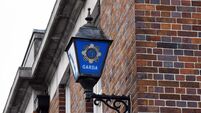
This is done by the Garda Central Vetting Unit, which only recently decentralised from Dublin to Thurles, with the appointment of new staff.
The PSA notified companies in the sector in May 2005 that they had to apply for licences in time to receive it for April 1 2006. They subsequently reminded companies in ads in all newspapers and even set up a discount scheme to attract early applications.
The spokesman said they would compare the 300 or so licence applicants to the estimated 400 firms working in the sector.