Loyalist terror gang threatens prison officers
The Ulster Freedom Fighters a code name for the biggest loyalist paramilitary gang, the Ulster Defence Association issued the threat at a stage-managed show of strength in Belfast.
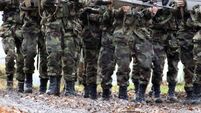
Three hooded men, two of them carrying automatic rifles, called on the British Government to recognise the ceasefire declared by the group just over a year ago. The group's leader, who had a hand-gun sitting on the table in front of him, said they would step up attacks on prison officers if their demands were not met.
A number of senior loyalist terror bosses are currently being held in prison in Northern Ireland on a variety of terrorist and criminal charges and the UFF is seeking special privileges for them behind bars.
There have been dozens of attacks on the homes and families of prison staff in the past few months, especially in the Belfast and Co Down areas where the UFF is strongest. The Northern Ireland Office has introduced a limited system of keeping republican and loyalist prisoners apart, but is refusing to accept demands for total segregation as was the case in the infamous Maze prison where terrorist inmates made their own rules and ran their own compounds.
The UFF is the most bloodthirsty of all the loyalist terror groups and has been responsible for more than 400 deaths, most of them innocent Catholics.
It declared its ceasefire last February following a bloody internal feud between a faction led by Johnny "Mad Dog" Adair and the overall leadership.
Adair was expelled from the organisation and is in prison while his supporters, including his wife, Gina, and their children have fled to Bolton in Lancashire, England.
The UFF said they would review the ceasefire every three months but last June they murdered 21-year-old Alan McCullough, one of Adair's supporters, who had returned to Belfast after being told that his life was not in danger.
A senior security source said last night: "The loyalists have now turned totally against the peace process and with the IRA still armed they are anxious to show that they are still around.
"The prison issue is an emotive one which they hope will regain some of the public support in the Protestant areas that they lost during the feuds."


CONNECT WITH US TODAY



Be the first to know the latest news and updates