Vintage View: A look at two of the shining lights in Ford's history
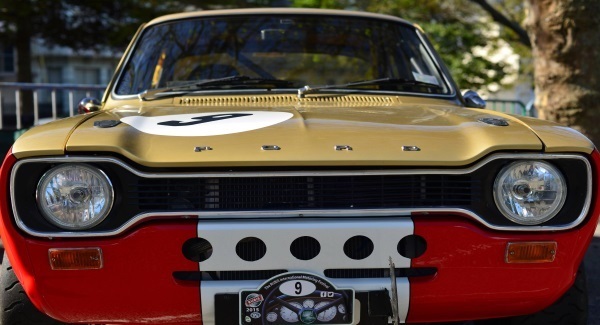
You don’t have to know your cams from your ham sandwiches to enjoy the display of proudly maintained vehicles at a vintage car rally. Some things just have a rightness to them — they sing. The juicy scent of crushed grass, the chat with the owners recounting their find, watching someone getting a cheery tow (again) in the May sunshine, it’s all great gas for a spring or summer’s day.
The history of Ford in Cork crosses the century line this year and the company’s intrinsic place in the social and economic journey of the city and its people is being celebrated all over this newspaper. There’s the fascinating timeline from the assemblage of the first Fordson tractors of 1919-1922 (Henry Ford’s legendary ‘automobile plows’) to the bitter sweet sadness of 1984 when despite epic struggles, the factory at the Marina closed.
Enjoy the quirk of summer homes built from Ford shipping crates, together with our readers’ own stories and photographs, their experiences working at the Marina or with Ford dealerships around the country, the timeline from the emigration of William Ford from Ballinascarty to today’s successes, and the return to Ireland of William Clay Ford Jr, executive chairman, Ford Motor Company and his family.
This moving visit included a showing of some really special cars including the 1600 Super, once the property of Taoiseach Jack Lynch. The memories welded at that modern roofed plant covering eight acres, built on the site of the old Cork Racecourse, employing over 7,000 souls in 1930, still accelerates hearts today.

Touring around the UK, and American publications, I came across dozens of features in enthusiast motoring magazines that mention the city and its workforce as a vital passage in the saga of Ford. One oily tale struck me as a bit revved up. Still, married to a man from Motown (Detroit, Michigan), I know that what happens on the line, stays on the line.
“There were also a few perks if you knew someone who worked in the factory. The story goes you could order a basic car from your local dealer and then tip off your friend that it’d be coming down the line. Thus, even though the basic badges of a low-spec trim would be applied, your friend on the line would sneak something like a Lotus-developed twin-cam engine and full leather interior into your base model car.” .
Now, a walnut gearstick knob I can believe, but ‘sneak’ a twin-cam engine down the front of your boiler suit onto the factory floor? With Ford’s reputation for stiffly patrolling their otherwise well-treated workforce, that was some mechanical magic-making. 75,000 cars were made in Cork between 1932-1950, an astonishing accomplishment. In 1972, the factory was streamlined to a two-car plant, delivering the most popular Ford cars in Ireland, the Escort and the Cortina. Following on the long success of the Ford Prefect (1938-61) these cars, built here and in the UK, are regular stars on the vintage car scene, great drivers, and still gaining fans for their inherent style at good prices in good order.
The Ford Escort Mark I presented at the Brussels Motor Show in 1968 caused a flurry of excitement for its bold American flavour, a step away from the buttoned-down respectability of the popular Ford Anglia. Produced until 1975 the 1100cc pocket-rocket was never simply a commuter car, and today remains a highly respected, cult classic. It had other innovations for the everyday man, including rack and pinion steering and Macpherson strut suspension (still used in the Porsche 911 today), a treat in a smaller car.
Despite initially having only two doors, it was roomy enough to cram the kids in the back with their hulahoops, for a weekend away, and still leave dad feeling pert. Who wouldn’t want a car from the same family of beasts that won the Circuit of Ireland rally in 1968 (twin-cam version with that Lotus-Elan engine whispered about in Cork) and took multiple positions including the laurels in the London to Mexico rally two years later, driven by Fin Hannu Mikkola.
The 1.6 litre RS1600s, RS1800s and Ford Mexico are race-track royalty commanding high-five figures in good condition. In 1972, Cork not only served its own dealerships in Ireland, but exported 4,000 Escorts, largely to the UK.

The Cortina came in five generations over 1962-1982, another family car with real class originally called the Consul Cortina and available in standard to GT trim. They were showcased in 1963 starring as the ‘Glamcabs’ of the movie, chauffeured by scantily-clad, female drivers, a superb bit of marketing by Ford. The 1198cc Cortina was aimed at the economy car market, and a heater was an option. It was cheap to make and cheap to run.
The Mark I and II Cortina are lovely little cars, but the reimagining of the Mark III in 1970, the 1300 and 1600cc Taunus-Cortinas must have been electrifying for Ford buyers. The GT and GXL tricked out with a coke-bottle waist, vinyl roof and ‘go-faster stripes’ featured four headlights, rub strips and all sorts of bell-bottom 1970’s groovy things that made the Austin/Morris family of saloons shrink in stature, finally killing them off in 1974.
To find out more about the vintage car scene and rallies in your area log onto the home website of the The Vintage and Veteran Car Club of Ireland, dedicated to preserving Ireland’s motoring heritage, ivvcc.ie.
Membership: €50 per annum. Take a search through the superb features in our Ford 100 section in league with Ford Ireland, in the online edition, irishexaminer.com/ford100 which continues to develop across the whole year.



