A bohemian bolthole with Moroccan magic in old Marrakesh
A chic hideaway in old Marrakesh allows Rosaleen McMeel to channel the hedonistic spirit of the 1960's bohemians that made the Red City their home 
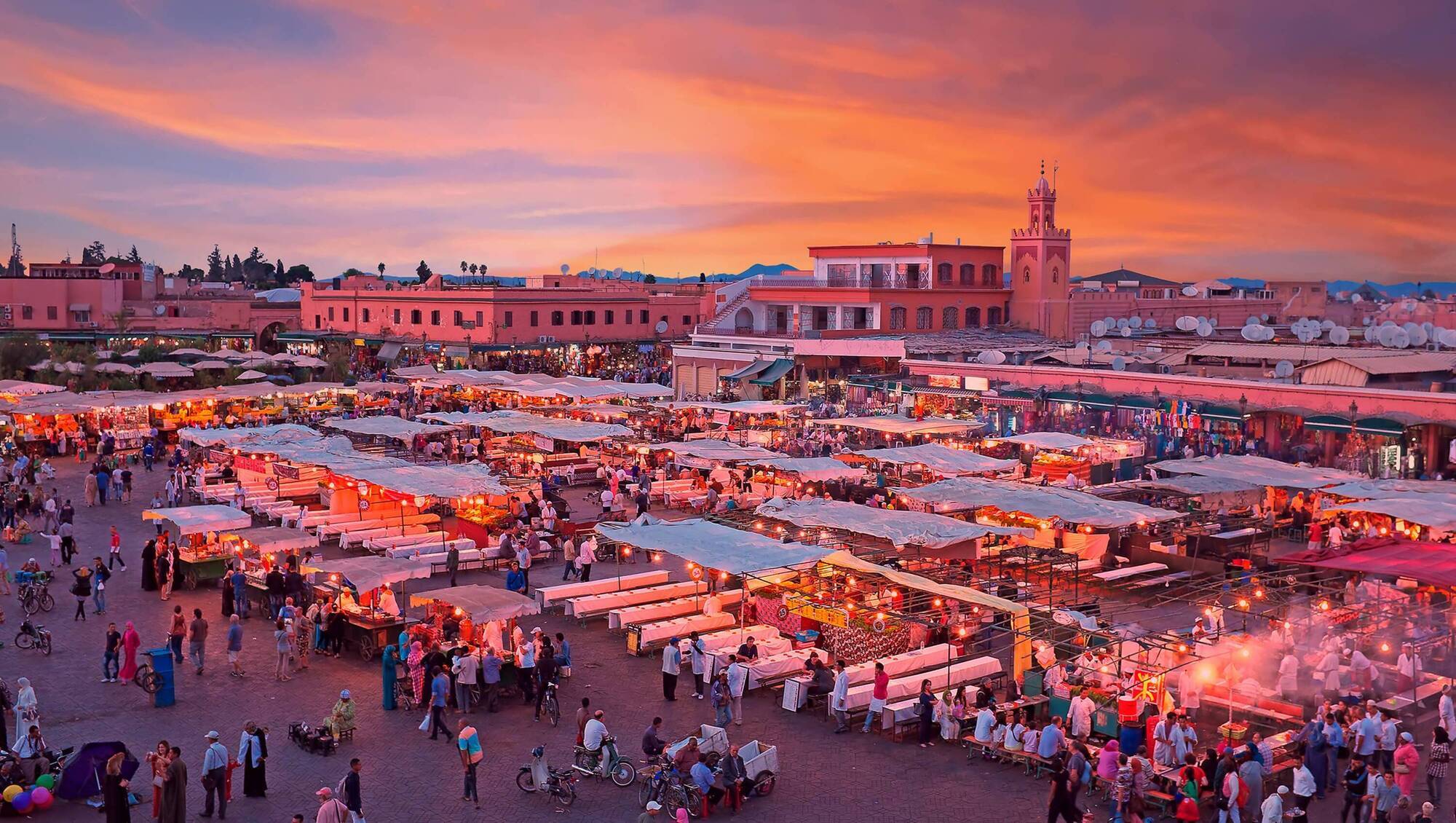
Djemaa El Fna Square with Koutoubia Mosque, Marrakech in the City of Marrakesh, Morocco:
Djemaa El Fna Square with Koutoubia Mosque, Marrakech in the City of Marrakesh, Morocco:
Those who have never been to Morocco can readily list reasons to stay away, but anyone who has experienced it for themselves is seduced by its charms and vows to return again and again. Buying into the cautionary tales, I had foolishly resisted visiting many times, but when an opportunity arose to soak up some sunshine and experience a bit of colour after an otherwise dull and perilously long winter, it was impossible to refuse.

A dazzling North African country known for its fascinating history, Morocco’s dramatic landscapes span from the snow-capped Atlas Mountains to the hot Sahara Desert, offering the modern traveller endless possibilities for adventure. It sits at the crossroads of Europe and Africa, uniquely bridging these two worlds.

Marrakech, one of Morocco’s four imperial cities, may already be a popular destination for European visitors thanks to its accessibility — flights from Dublin take less than four hours — but it was once the brave new frontier of adventurous travellers whose free spirits found them here in the 1960s. Drawing creatives and celebrities — actors, artists, musicians, and writers — to its labyrinthine streets, that vibrant culture is now matched by world-class hospitality and a thriving tourism industry, making it an easy choice for anyone looking for a little more adventure than your average week in the sun can offer.

It is, as the guidebooks suggest, chaotic and overwhelming at times, but choosing a plush hotel or riad — a traditional Moroccan house built around an open-air courtyard — is the best way to ease into the rhythm of the place.

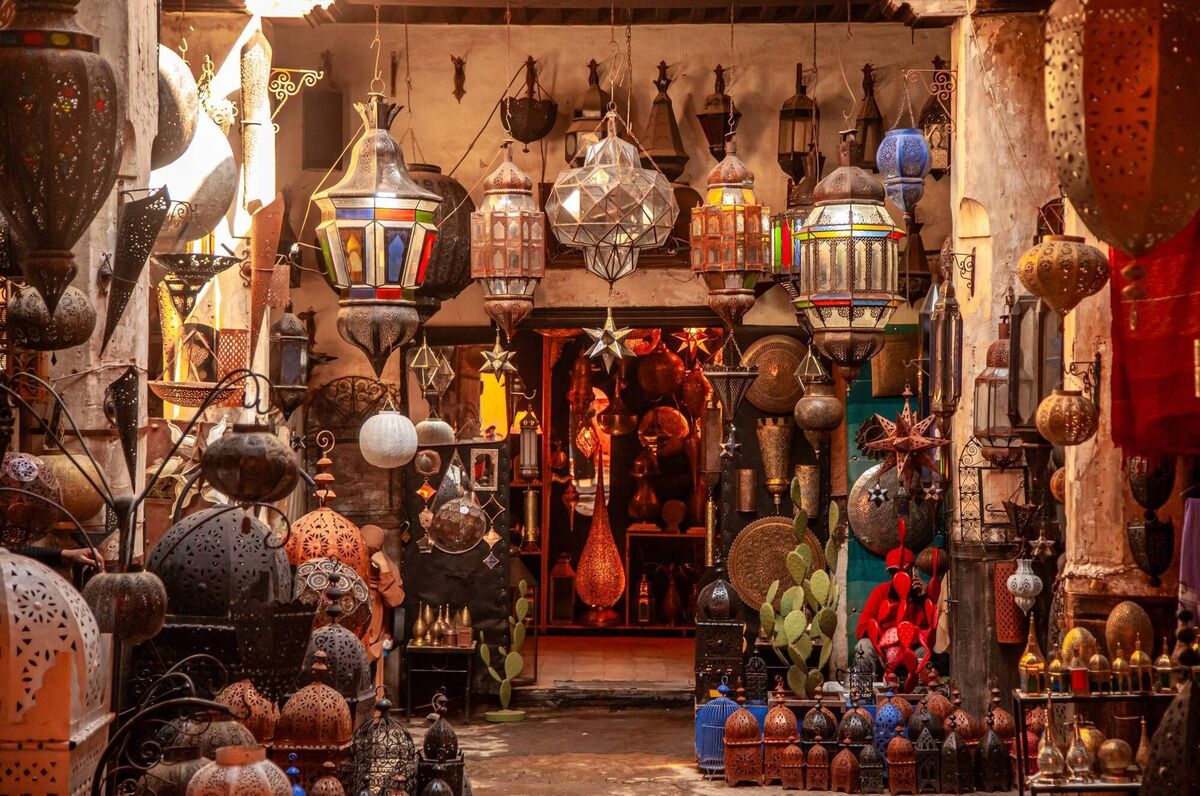
Lamps and lanterns for sale in the souk souk

There are plenty of options to suit all budgets. Larger hotels tend to be on the outskirts of the city, making it a little too tempting never to venture outside the property, increasing the potential you’ll miss out on the real magic of this destination. But staying in, or close to, the Medina — the Unesco-listed historic old town, enclosed by 19km of ancient pink ramparts — allows you the best of both worlds. Known as the beating heart of the “Red City”, it is famous for its labyrinthine souks, culinary hotspots, and the famous central square of Jemaa el-Fnaa.

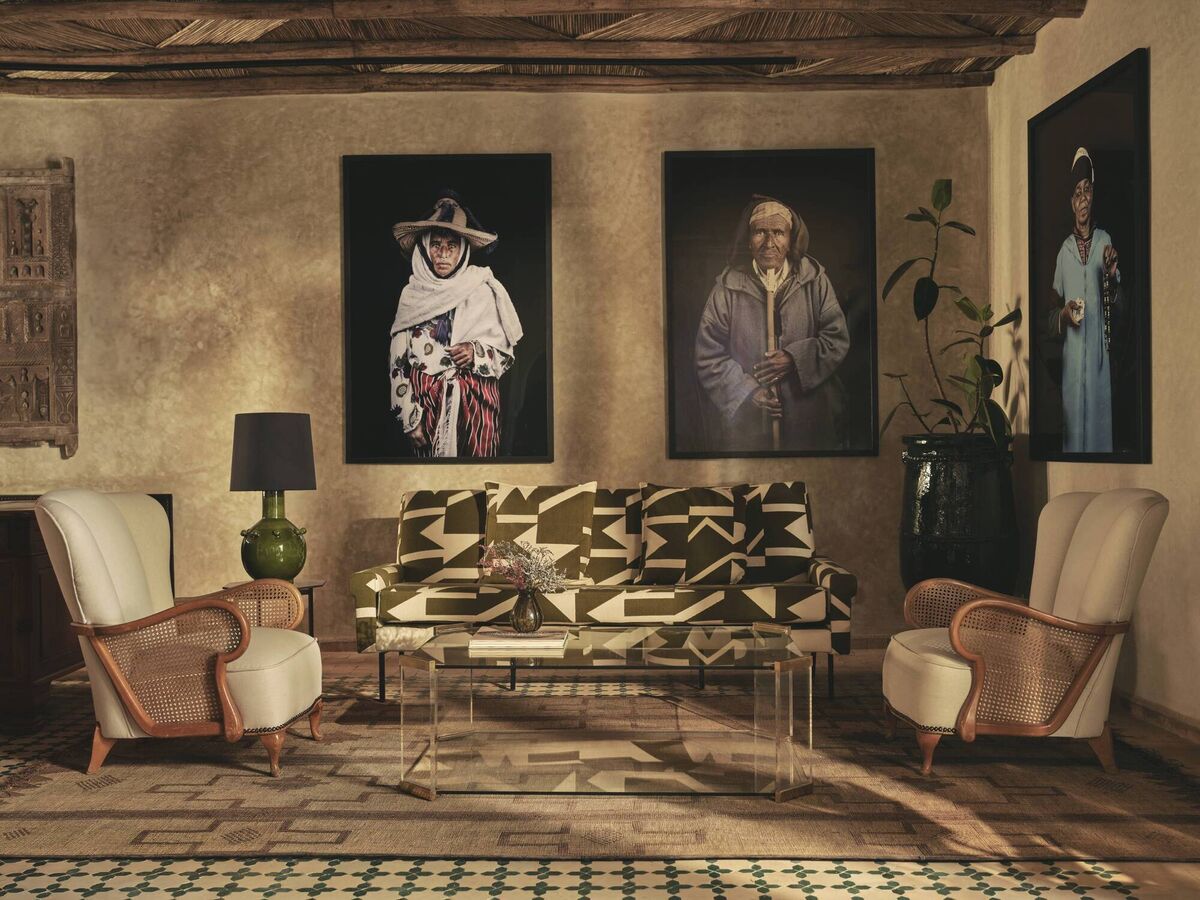
Channelling that intoxicating bohemian spirit, I stayed in one of the city’s most remarkable hotels, a design-led luxury art hotel, in the northwestern section of the old walled city. Izza comprises seven historic riads — an eighth is already in the works — interlinked by three tranquil courtyards, private pools, and meandering staircases that lead to rooftops with panoramic views across the ancient Medina.

A fascinating blend of art and architecture, NFT artwork greets you in the reception and is a mere taster of what’s to come. With over 300 pieces of digital and print artworks costing in excess of €5.7m dotted around the premises — even in the gym — it is a feast for the eyes. But it’s the design nods to the late designer and socialite, Bill Willis, that leave the biggest impression.

Art by Leila Alaoui in the reception at IZZA

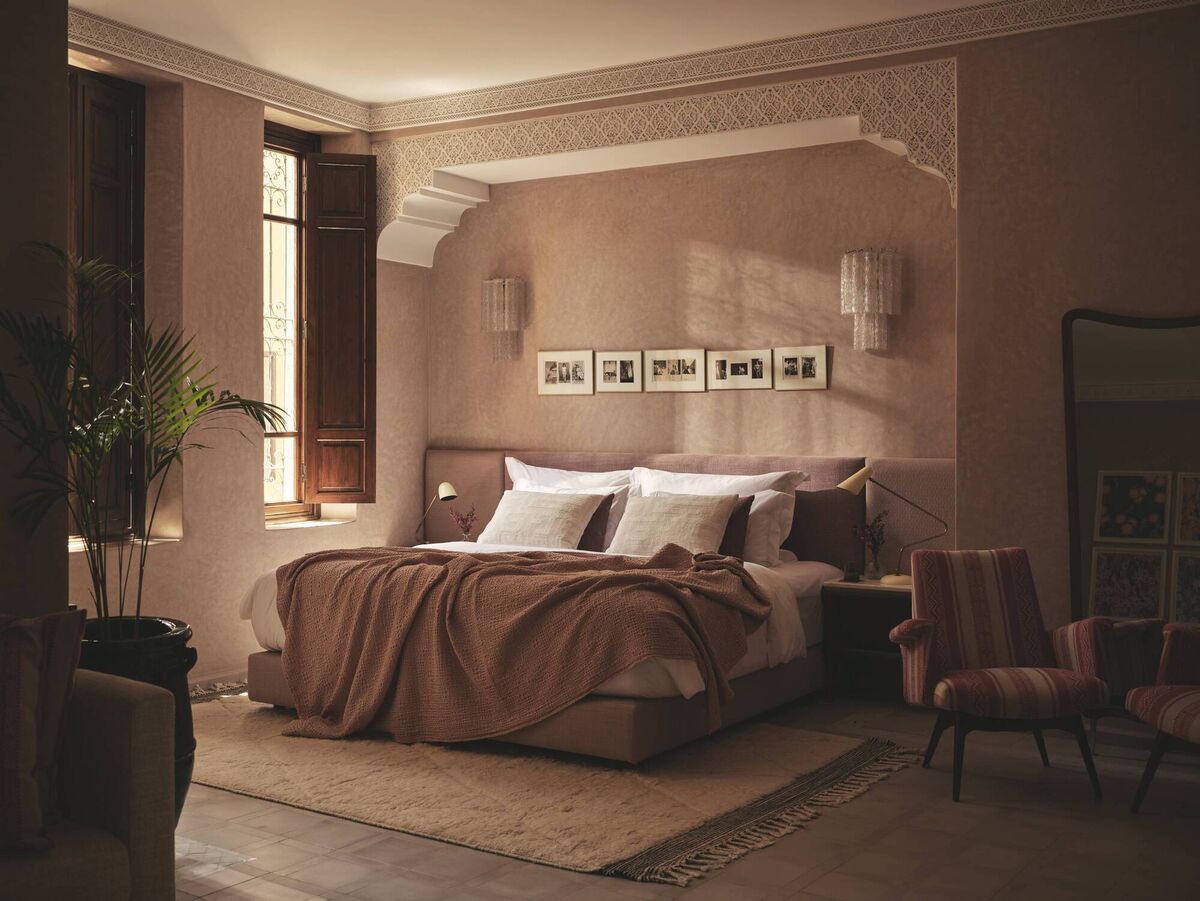
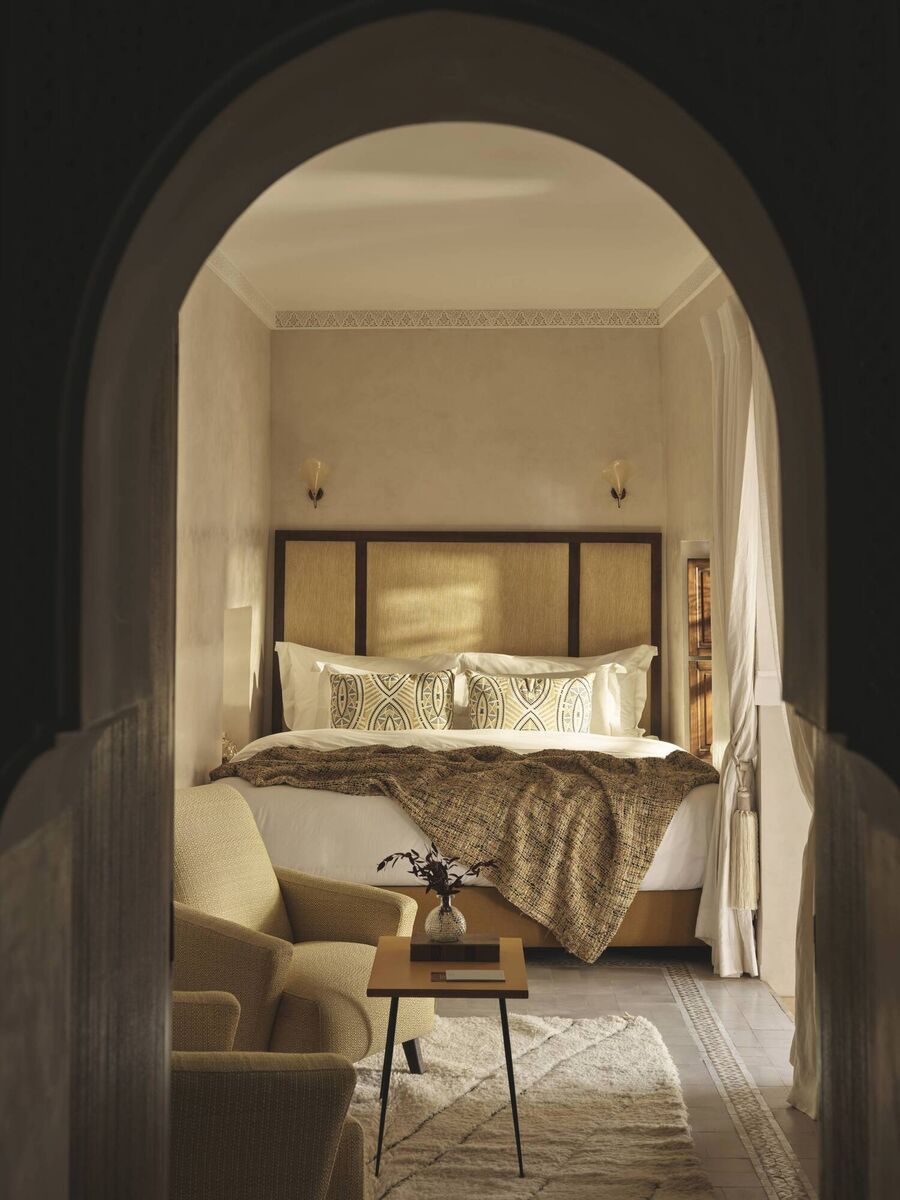
Although Yves Saint Laurent’s love affair with Marrakech is well-documented — tourists flock in their thousands to his beautifully preserved Jardin Majorelle, an urban Moorish oasis owned by the late designer and his partner Pierre Bergé — their friend and collaborator, Willis, was a favoured designer to the international bohemian elite and the inspiration behind Izza. Widely celebrated as the “father of modern Moroccan style”, his work was characterised by hand-carved geometries and an atmospheric play of light, all evident throughout the boutique hotel. With only 14 rooms — all named after Willis’s friends and collaborators — it’s small, but exquisitely decorated.

Yves room at IZZA Noujoum

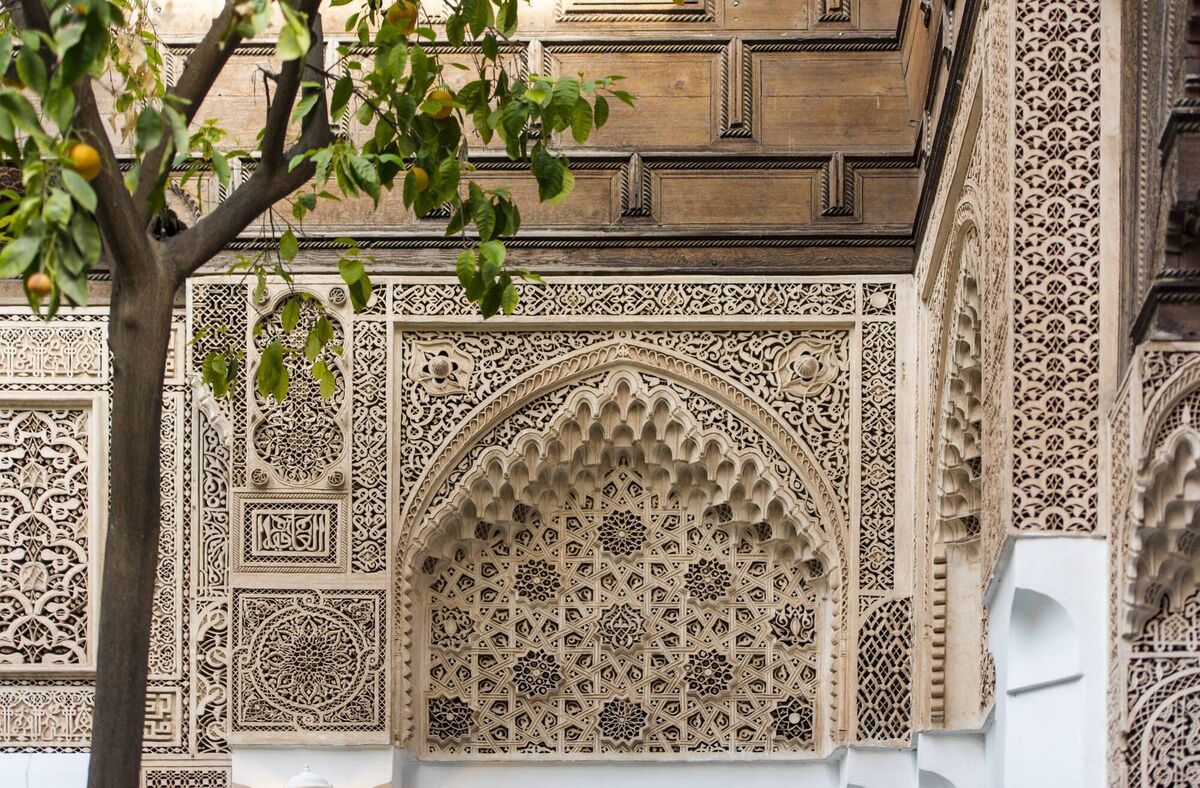
It’s the perfect launch pad to explore the sights. The nearby Bahia Palace offers a stunning 19th-century masterpiece of Moroccan architecture featuring intricate tilework, carved stucco, and peaceful, orange-tree-filled courtyards.

One of my favourite spots is Le Jardin Secret, a tranquil 19th-century oasis hidden within the Medina walls. Be sure to purchase a ticket that includes the tower as it reaches the same height as some of the city’s minarets and offers a unique view of the surrounding area, as well as the Atlas Mountains, helping you to get your bearings. Another escape from the bustle can be found at the Saadian Tombs, a beautifully preserved 16th-century royal necropolis featuring striking cedar ceilings and Italian marble, a poignant reminder of the city’s colourful history.

Inside Bahia Palace
Inside Bahia Palace

If you want to venture further afield, ask your hotel concierge to arrange taxis or excursions with your preferences in mind. We went to
Macaal, the Museum of African Contemporary Art Al Maaden. Rich in a collection of over 2,000 works, it encompasses a wide range of exhibitions, including ‘Statues Also Breathe’, an incredibly moving exhibition of 108 terracotta portraits of still missing Chibok girls who were kidnapped by Boko Haram in 2014.

If the art inspires you, try your hand at a ceramic art session and paint your own plate or cup at Fanny Lopez’s art atelier. You’ll get to indulge your creative side and walk away with a very unique memento of the trip, even if the end result resembles a junior school art project (or perhaps that was just me).

Grace room at IZZA Noujoum

While most visitors need look no further than the Medina for ceramics, jewellery, leather, and spices, if haggling is not your thing, you can go to Ensemble Artisanal, a small craft village where the goods are all hand made in Morocco. The prices are set so you can be assured of a fair price and sometimes the craftspeople themselves are present to tell you the origin of the items. Just be sure to leave a little room in your suitcase for some souvenirs.

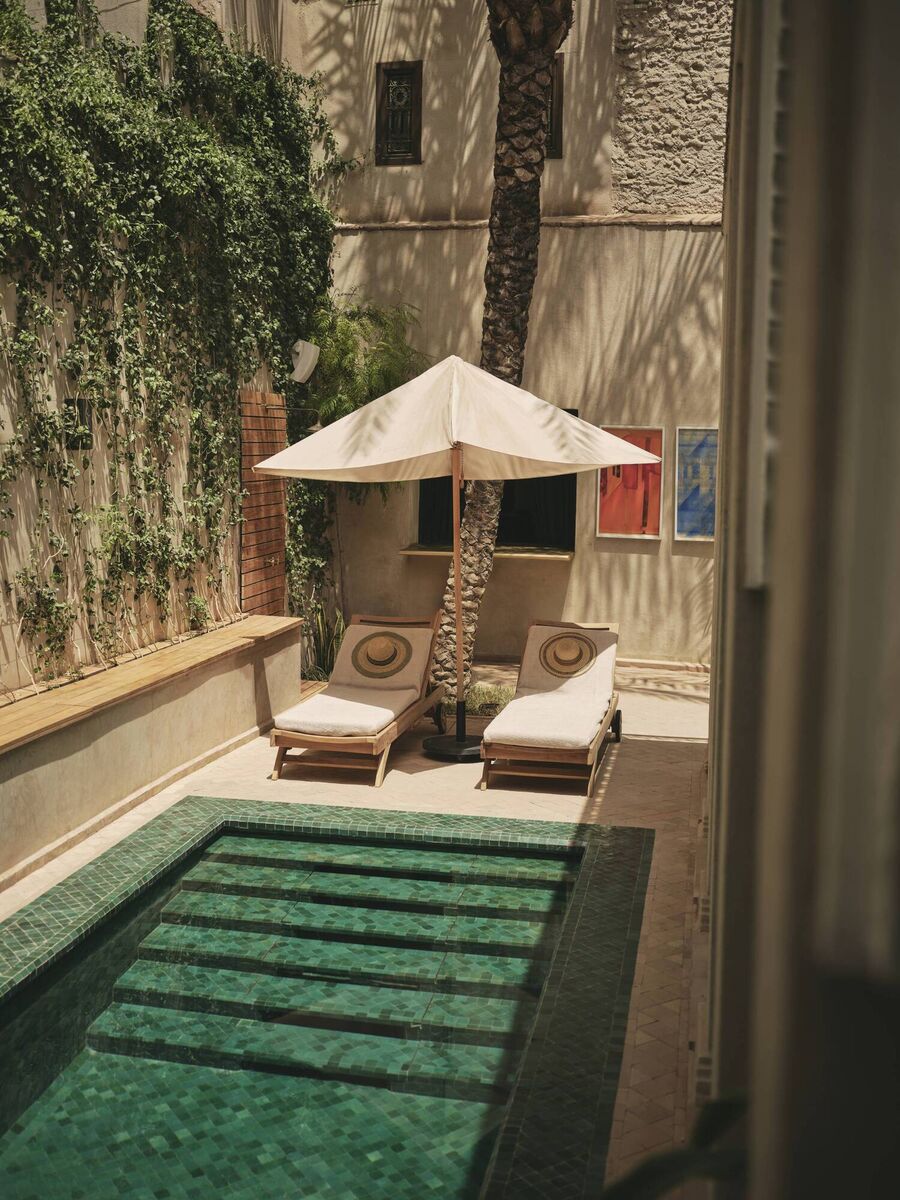
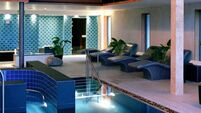
Marrakech’s energy is a dizzying, whirl of commerce, culture and contemporary living. Outside, the Medina hums with life; dusty alleyways buzz with traders, tourists, and daily life, yet behind the heavy wooden doors of a riad lies an altogether different world, where silence falls around tranquil courtyards. One moment you’re navigating mopeds on tight laneways, the next you’re unwinding beside a picture-perfect pool framed by intricate zellige tiles

The pool at IZZA
The pool at IZZA

As a first-time visitor, the culinary scene is the biggest revelation to me. The city is rich in options, from traditional to contemporary, and a lot in between. Izza is located just a three minute walk away from the famous Dar Yacout restaurant, designed by… you guessed it: Bill Willis. A five-course traditional dinner inside this 18th-century jewel-toned riad is an evening you’ll never forget. Arrive early to enjoy a sunset drink on the rooftop.

Another restaurant worth a visit and also within walking distance is Flowers, a newly-opened rooftop restaurant. Born in Sweden and raised across Southeast Asia, chef Richard McCormick is inspired by North-African and Mediterranean flavours, he crafts menus where fresh local harvests of Morocco combine with taste and techniques from around the world. There is nothing I don’t like on this menu.

A short taxi ride will bring you to La Trattoria. The restaurant has occupied one of the last Art Deco villas in Gueliz since 1974, which makes it one of the oldest restaurants in Marrakech still in continuous operation. Once again shaped by Willis, his hand shows in every arch, dome, and wall of striped tadelakt. At the centre of the main dining room sits a large pool, surrounded by banana trees and yuccas that climb toward a vast glass roof hung with Moroccan lanterns. After dark, the candles are lit transporting diners to an opulent kind of film set.

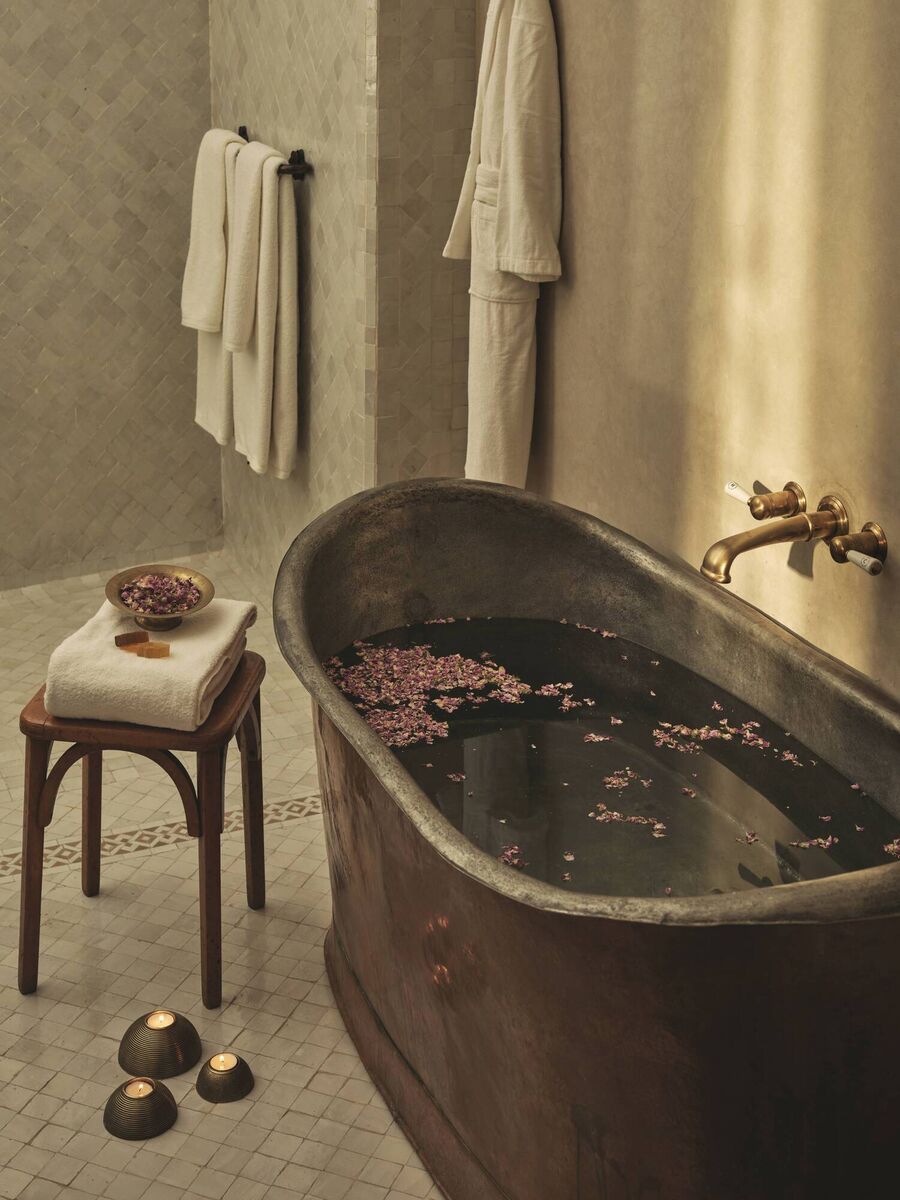
A copper rolltop bath at IZZA

El Fenn was a game-changer when it opened two decades ago and has become known for its house party atmosphere and Instagram-worthy aesthetic, but lately it appears to be suffering from its own success and is over subscribed with people simply looking to capture the perfect post, impacting the atmosphere somewhat.

As it happens, the former general manager of El Fenn, Karim Irrgang, is now at the helm of Izza and has been busy creating a rooftop restaurant to rival its famous neighbours. Noujoum, which means “under the stars” in Arabic, has all the design aesthetic without the crowds and while the atmosphere is still building, it feels like a more sophisticated option. A decadent seafood platter to share won’t leave anyone wanting, but the ricotta and almond ravioli is, without doubt, the finest pasta I’ve tasted outside Italy.

While only a short hop from Ireland, the beauty of Marrakech is that it feels like an intoxicating world away. Visitors understand quickly why the bohemians of the 60s and 70s, such as Saint Laurent, Jack Kerouac, and Grace Jones, fell in love with the place.

As for me, I’m sure you’re thinking that the real test is whether or not I’m planning a return. I’m pleased to say I already have. Now if only they’d name a suite after me…

x

More in this section

Lifestyle

Newsletter

Eat better, live well and stay inspired with the Irish Examiner’s food, health, entertainment, travel and lifestyle coverage. Delivered to your inbox every Friday morning.

Cookie Policy Privacy Policy Brand Safety FAQ Help Contact Us Terms and Conditions

© Examiner Echo Group Limited