What Japan's onsen culture taught me about body positivity
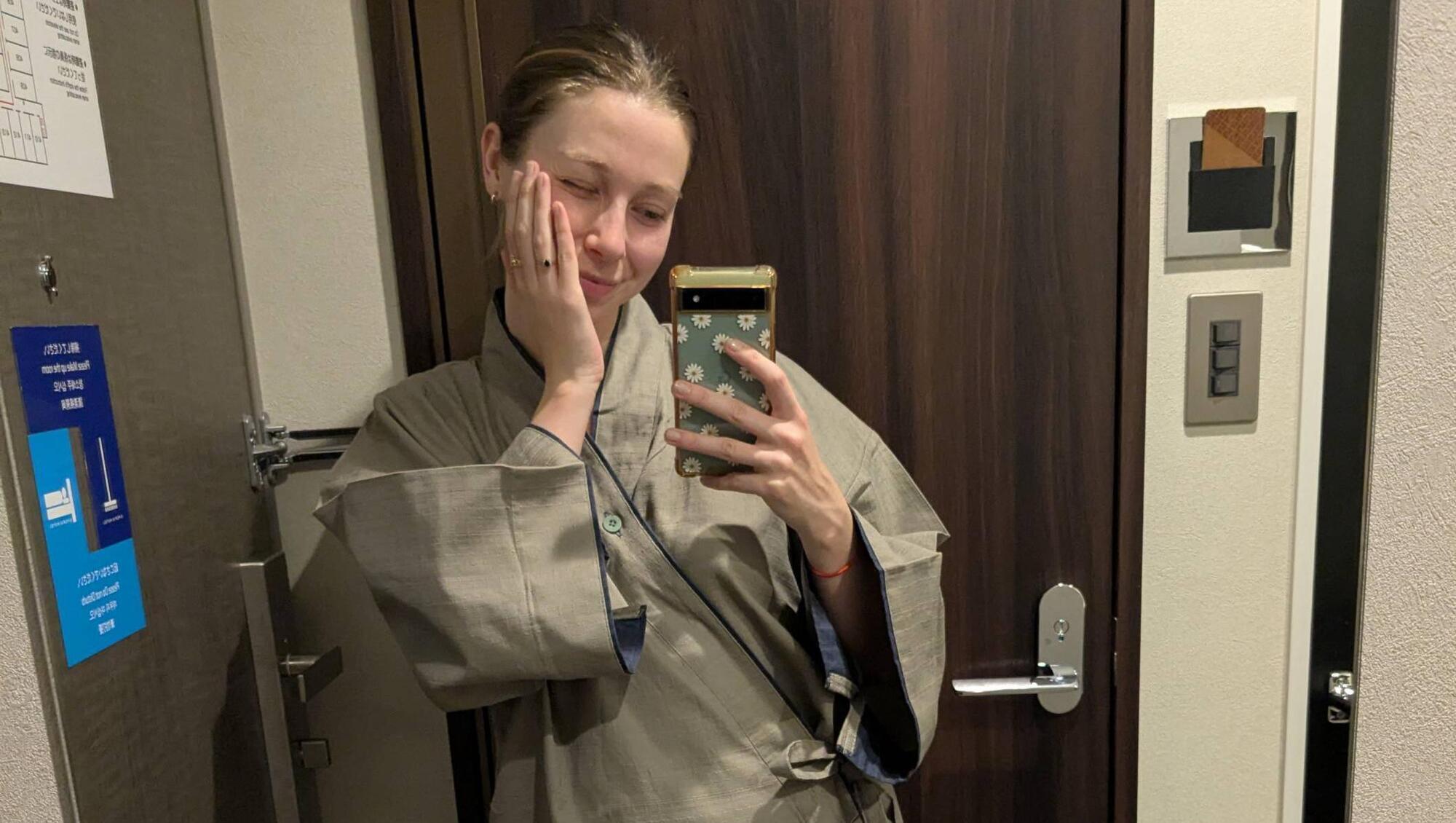
Adele Miner: Japense Onsen culture
I’m standing in a shower, scrubbing my hair with shampoo, completely starkers. It’s a normal occurrence, of course, to shower naked. Except this time, I’m surrounded by seven other women, all of whom are also naked and washing themselves.
I had been aware of Japanese onsens before booking my trip to Japan. I understood the concept; it’s a place you go to bathe and soak, like a spa. I also understood the rules; you had to do it naked. Due to the latter, I assumed that I would never experience an onsen; I simply could not get my baps out in a room full of strangers. But as it turns out, I can, and feel not only squeaky clean, but also transformed in the process.
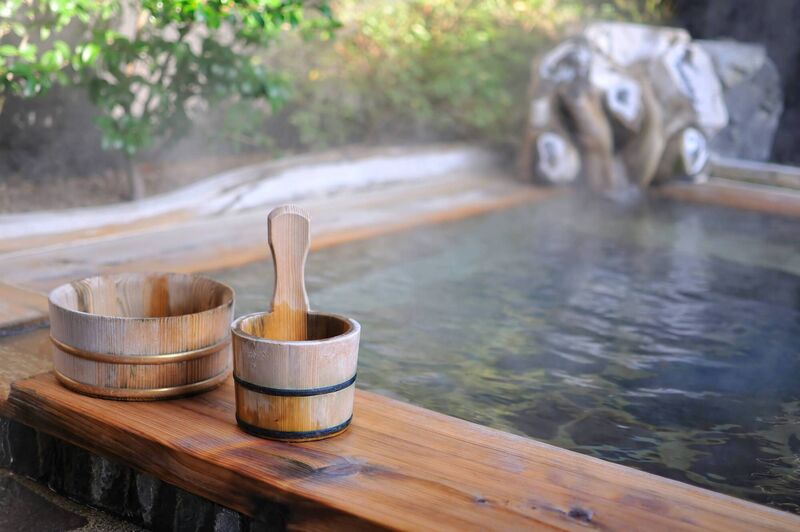
An onsen is a natural hot spring, geothermally-heated water that fills a natural or artificial pool in which you bathe. Many onsens across Japan use water from natural hot springs; however quality can vary depending on where you are. In places where sources are limited, some facilities may dilute, heat, filter, or use artificial jinko-onsen water to mimic natural springs.
If you wish to use an onsen, there is a set of rules you must follow. These include thorough washing before entering the communal baths, keeping towels out of the water, maintaining quiet, respecting tattoo policies (either covering up or prohibiting them), and, most importantly, full nudity. I spent my first few days in Tokyo being encouraged by my boyfriend to use the onsen in our hotel. “You’ll feel amazing afterwards”, he said. “Trust me, no one is even paying attention to you.”
Still, it was a firm no from me. Until day three, when I needed a cure for my aching legs after 20,000+ steps a day in the world’s most populated city.
I made my way to the hotel onsen for women and trepidatiously crept inside, which, to my delight, was empty. This gave me the confidence to go about my task, and after a quick Google search of the correct onsen rituals, I was ready to disrobe. Leaving my clothes behind in a locker, I tiptoed into the bathing area, taking a seat on the small plastic stool at the dedicated washing area. Faced with my reflection in a mirror in front of me, I quickly used the bodywash and basin supplied to scrub down my body, keen to submerge myself in the bath as soon as possible.
It seems the onsen gods were looking down on me this day, as not only was the area empty, but from the corner of my eye, I spotted a private onsen in a glass room. It was the best way to ease myself into this completely new and nudey culture. As soon as I stepped inside the small, round bath, my brain switched off. The water inside was hot, and the world around me was quiet, and surprisingly, I was no longer thinking about my lack of clothes, instead diverting my attention to listening to the sound of the dripping tap that delivers fresh hot water into the bath. A half hour later, I floated back to my hotel room with a lighter mind, slightly pruned skin, and sure that I would revisit the onsen.
So became my nightly ritual on the two-week trip. I spent my days walking, eating, and exploring everything Japan had to offer, knowing that I would restore myself in the onsen later that night. After that first day, I never had the onsen to myself again, but that didn’t matter as I had gained enough confidence and was happy to share the experience with others. In fact, it was in this shared experience and quiet community that I found the most pleasure.
In Japan, introversion and quiet reflection are valued highly, encouraging reserved behaviour when in a public space. You see these unspoken rules observed almost everywhere; you could hear a pin drop on packed public transport, as nobody dares to pollute the carriage with noise, and restaurants and izakayas are structured around quiet, solo dining.
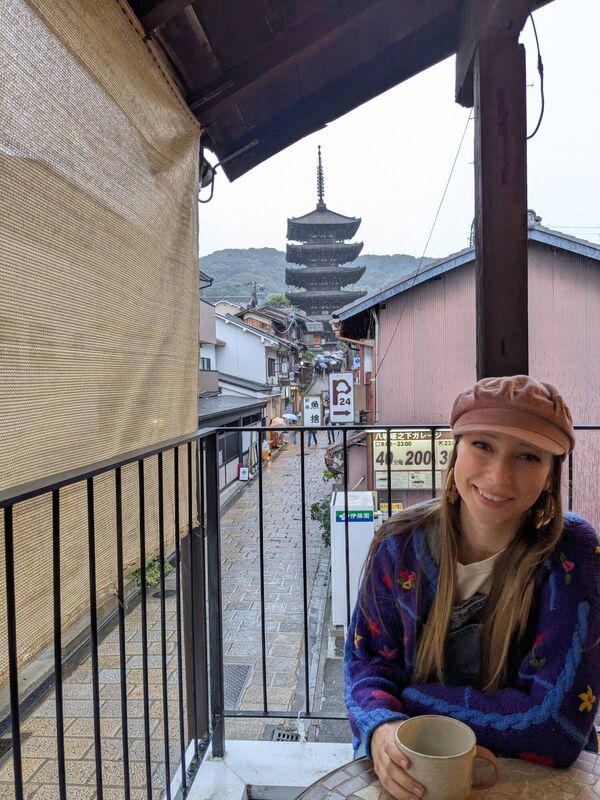
By the time we made it to Kyoto in the central-south of Japan, I was an onsen pro and looked forward to my evenings of shared solitude with the other women in the onsen. In a culture where respect is paramount, at no point in a bustling onsen did I feel uncomfortable or stared at. Everybody is so focused on the task at hand, whether it’s washing their body before the onsen, shampooing their hair, or soaking in the bath, that nobody is paying attention to you.
This gave me the space to relax and sink into the ritual of cleaning myself. Usually, a quick shower does the job, and I give the job little thought. But in the onsen, attention to detail is encouraged. Shampoo is lathered, massaged into the scalp, every part of the body scrubbed and given TLC. I found myself slowing down, taking care of myself in a way I had never done before.
Forced to look at your naked reflection in front of you as you prepare for the bath, at first, is difficult. I looked everywhere but at the body in front of me. But as the days went on, I saw my posture change. No longer slumped in the stool while I scrubbed my body quickly to get the job over and done with, I sat up straight. I took the time to wash my body part by part, and I even gained the courage to wash and condition my hair with the products provided in the onsen. I attribute this surge in confidence to being surrounded by other self-assured women.
Women of all shapes, sizes, ages, and abilities used the onsens, united in their serenity. While mortification runs deep among Irish people, the Japanese don’t seem to be even remotely mortified while using an onsen. It comes naturally to them, and though there wasn’t a word spoken between me and any of the women in the room, nor even a millisecond of eye contact, I still felt connected and bonded to those around me.
The act of using a woman’s onsen felt like a ritual in girlhood. Whether you were 20 or 80 years old, we were all simply women sharing a moment of self-care.
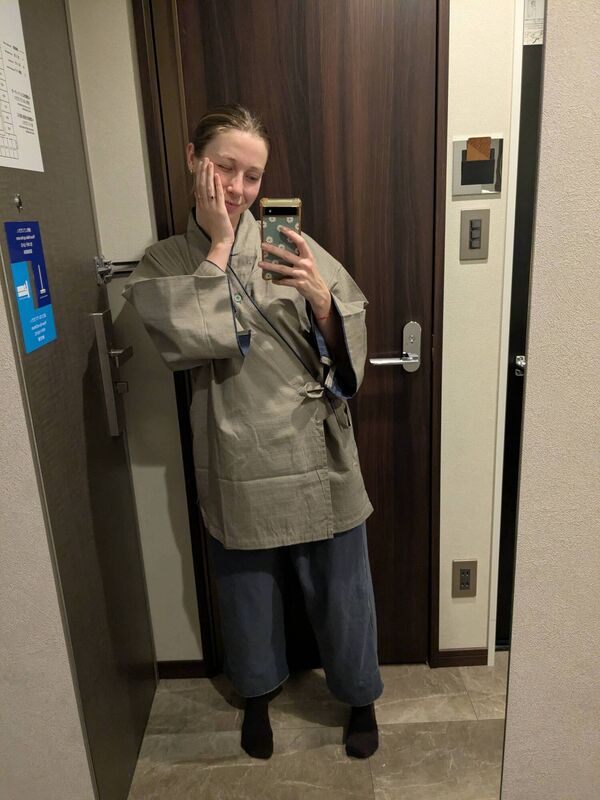
There’s plenty of conversation happening online at the moment about the importance of regulating your nervous system. Seen as a way to prevent burnout and reduce mental and physical fatigue, for me, the ritual of the onsen felt like a total nervous system factory reset. Apparently, it’s a Japanese tradition to drink cold milk after an onsen bath, as a way to refresh the body with a nutrient-dense treat that both rehydrates and nourishes. For my post-onsen milk, I opted for strawberry milk.
Floating back to my hotel room in the comfortable pyjamas you’re provided with in most hotels in Japan, I sat on my bed sipping my milk and brushing my clean hair. In this moment, I felt a level of relaxation I hadn’t felt before, grounded in what I was doing in that moment. By the end of my time in Japan, I had shed more than just my clothes in the onsen; I had let go of decades-worth of body insecurities and self-consciousness. In return, I gained confidence, self-compassion, and a deep understanding of what it feels like to be truly present.

CONNECT WITH US TODAY



Be the first to know the latest news and updates