Caitríona Redmond: Renting a car on holidays? Don’t get caught by extra car hire charges
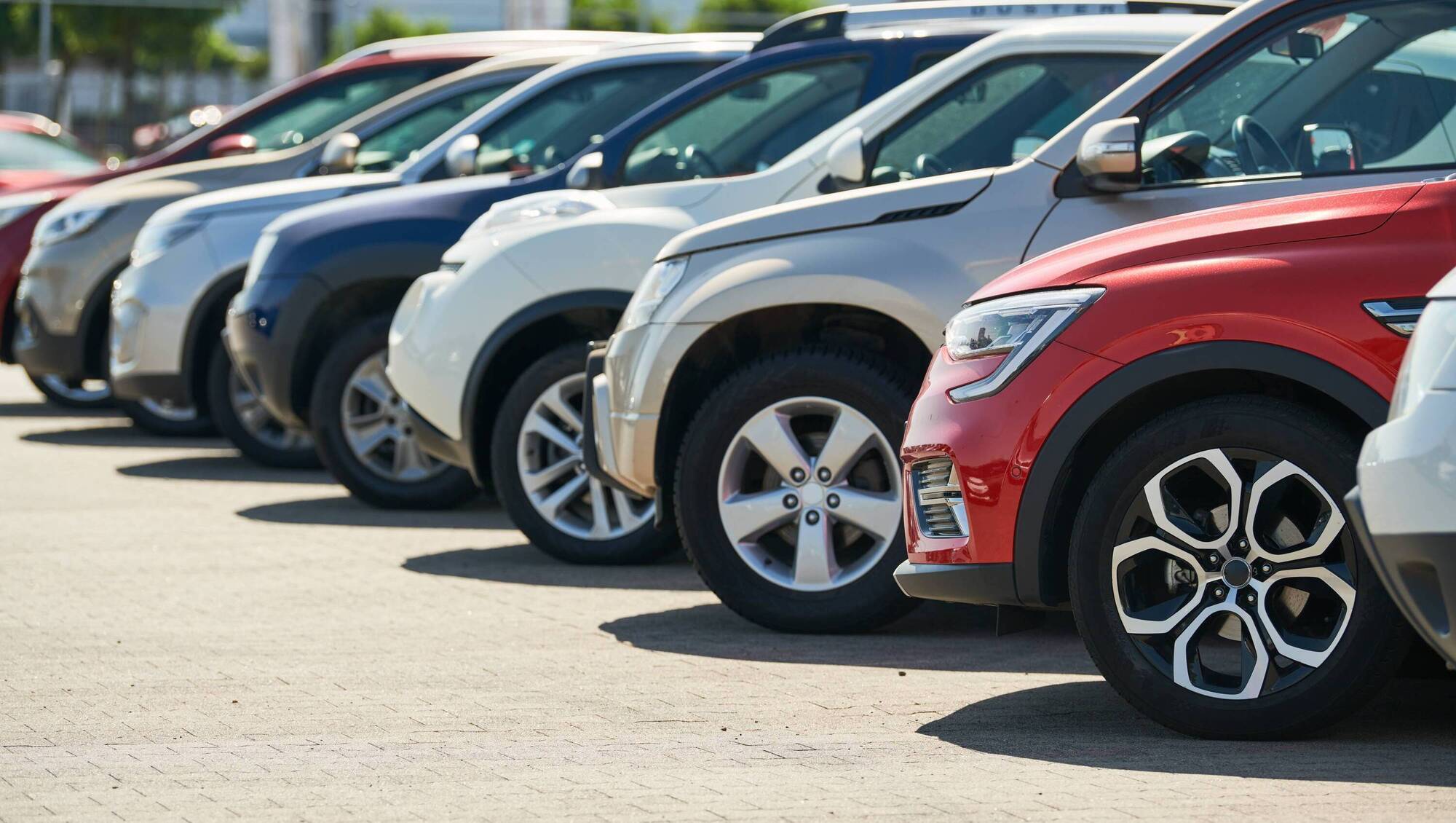
Planning on renting a car on holidays? Here's my advice on best practices and how to avoid potential hefty extra charges

Most car rentals will include insurance as part of a package price but it’s at the most basic level. This covers you for driving the car and liability for damage to yourself and others. Think of it more like third-party fire, and theft, as we have at home. You can still be liable for the excess if the car itself is damaged or stolen.
On rental, you will also be offered an excess waiver or collision damage waiver charge, which can be as much as €40 per day, depending on the vehicle rented. This guarantees you won’t have to pay that excess sum. In the case of Hertz, for example, that can range from €900 to €4,000.
Still, €40 per day for a two-week car hire is €560, and people often opt not to take that excess cover to save themselves the money for their holiday.
There is a cheaper option in the form of excess hire insurance taken out in Ireland, and prices can be as low as €2.99 per day. In this case, the hirer pays the excess upfront and then claims a refund directly from the Irish company. Several Irish businesses offer this service, and it’s worth investigating in advance of travel.
Twice over the past week, I’ve heard of families being stung with a high excess charge after returning their car. Taking out excess cover, either from the rental company or independently, would have saved them an awful lot of money and heartache.
Regardless of the type of car hire insurance you take out, there are some best practices you should employ every time.
Use your mobile phone to take photos and a walk-around video of the car before driving it away from the hire location. If the light quality is low, use your flash or ask whoever is travelling with you to turn on their torch.
When I checked the documents, there was nothing there to say there was a fault with the bodywork in that area. Thankfully, I was able to rewatch the video I’d taken before driving away and prove it was there before I even turned the ignition. That gave me huge peace of mind for the rest of my trip.
Make a note of the closest garage or fuel station to the rental booth. Agree to bring the car back with a full tank and allow time to refuel before driving back.
This way, you can control the cost of a fill and make sure you don’t get charged a premium by the rental company refuelling themselves.
Don’t forget to check which fuel the car uses. If you put diesel in a petrol car by accident and start the engine, that’s an extremely bad idea… Call a tow truck. That’s a bad situation, and that’s before the mechanical repair cost. If you’re in a non-English-speaking country, remember to check what the word for petrol or diesel is in the local language.
Remember that video you took when you picked up the car? Match that with a second video when leaving it back. Vehicle returns can be busy and you may not have time to hang around for a rental agent to be free to check the car, particularly if you have a flight or a ferry to catch. This video is your insurance in case the rental company decides there is damage, which may incur a charge.
Make sure your driving licence is in date, with plenty of months before your expiry. Countries can differ on how long before the expiry they require for a rental car, so it’s worth checking in advance. For example, in some countries, if you wear glasses or lenses to drive, you must wear them at all times behind the wheel and have a spare pair of prescription glasses in the car with you.
I know there’s a lot to take in but hiring a car when abroad can still be a great option if you want to visit areas that aren’t as well served by public transport or for ferrying the family around. Hopefully, with this advice, you won’t get an email with a hefty charge as you arrive home.
Make sure your travel insurance covers any loss due to fire or flight cancellations too.
Remember, travel insurance will not cover you if you journey to an area marked “do not travel”, so always check online before heading to the airport.
Carry all your essentials, such as your passport, medication, and important documents on your person at all times in a waterproof pouch.
CONNECT WITH US TODAY



Be the first to know the latest news and updates