'Being diagnosed with Bell’s palsy as a teenager was my body’s way of telling me to slow down'
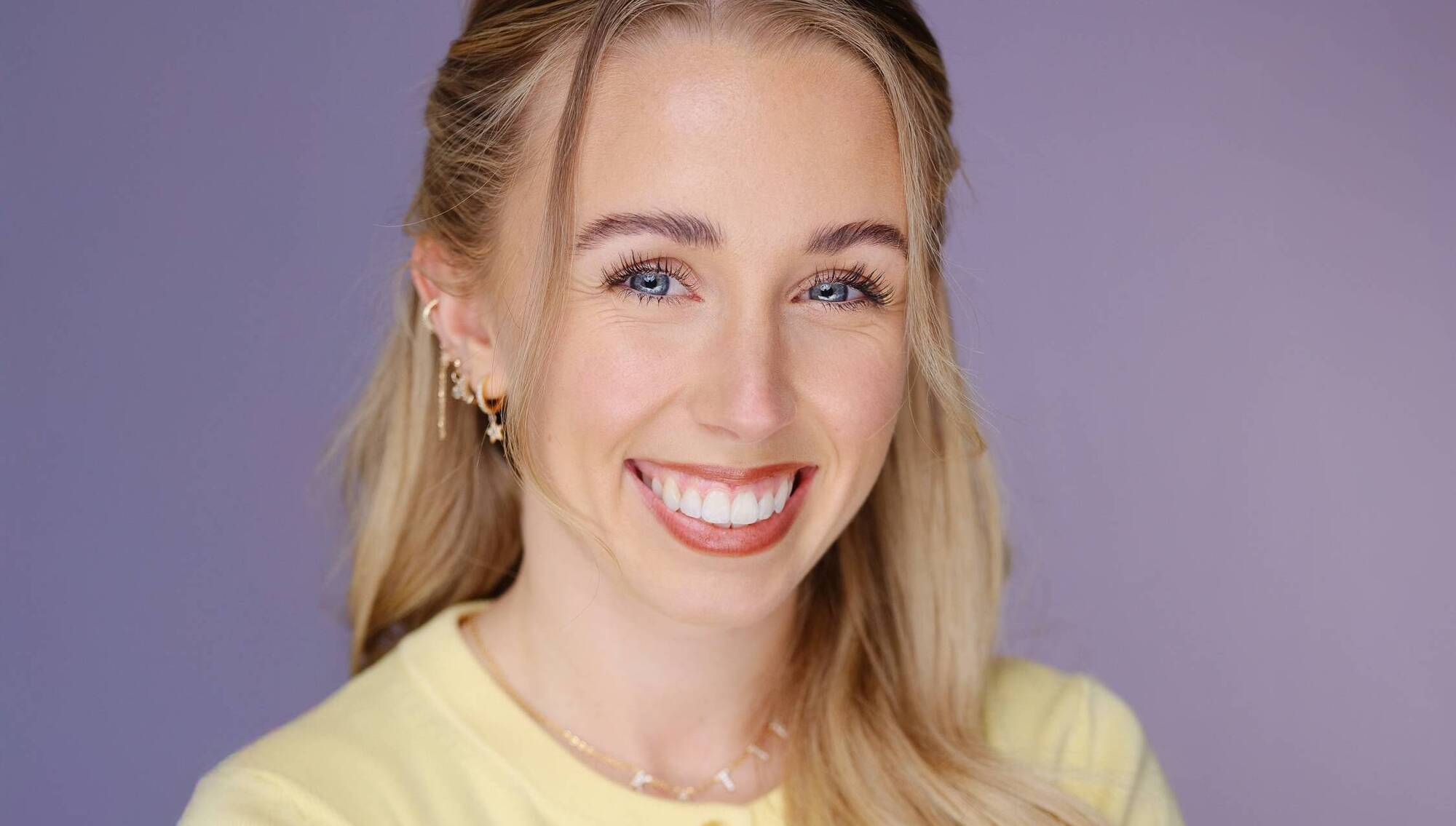
Katie Rose Weir: 'I felt very self-conscious. For the first time in a good few years, I brought my parents to things. I remember being glued to my dad’s arm at a school event. I didn’t want anyone asking me questions — I didn’t know the answers.'
I was 17, in fifth year, about to do Christmas exams. If you’d asked me then what I wanted to do after school, I had only one answer; it’s still the only answer — I wanted to perform professionally in the theatre industry. I was thinking of going to London for college after Leaving Cert, so I’d have to do auditions in sixth year.
The night I’m thinking of… I was doing a Christmas concert with our school choir, singing a solo of in the National Concert Hall. Later that evening, saying goodbye to everyone, I felt a freeze in my face that I’d never felt before. I was lacking movement on the right side when I smiled.
Going home with my parents, something said to take photos and videos of my face to see if it looked any different, if something was visible. I wanted to do that before getting anyone else involved. I saw a slight something when I smiled — the left side of my mouth rising but my right side not.
I went to bed, thinking maybe I’m just tired and I need an extra hour of sleep tonight. I slept fine. The next day, I had my first big exam, music. When I woke, I realised straightaway I had absolutely no movement in the right side of my face.
I immediately burst into tears; I didn’t know what was going on. I told my parents. I was so upset but only able to cry out of my left eye. It was as if the right side of my face had stopped working altogether. I felt panic and confusion. This was new territory.
The minute the doctor saw me — the right side of my face had now started drooping — she knew straightaway. I’d developed Bell’s palsy. She believed I’d caught it early; if I started dosing up immediately, I could be in a much better position in a couple of weeks. She didn’t say it’d pass; just that every case is different and the duration could vary depending on my body, so we had to take it day by day.
Initially, I did think worst-case scenario. I guess I didn’t know what my future held in those weeks. Because I couldn’t move my face or my mouth the way I normally would, and especially when you’re performing, you need to be quite animated. Performing had always been my thing. If that were to disappear, I’d have felt very lost. So I did panic about my performing future for a while.
I felt very self-conscious. For the first time in a good few years, I brought my parents to things. I remember being glued to my dad’s arm at a school event. I didn’t want anyone asking me questions — I didn’t know the answers.
I did Christmas exams at home. I was off school for four to six weeks. I did lots of research on how Bell’s palsy develops and what helps improve it. I know now it had developed because of stress. My mum always said I stress internally rather than externally. Looking back, this could be why it happened. The inside of my body was working overtime, stressing about those exams, and I hadn’t realised.

I had to do face physio — look in the mirror and do these expressions. Bell’s palsy is basically a nerve freeze, so you need to try to do what you’d normally do, I was trying to smile, flare my nostrils, and raise my eyebrows. For weeks, I saw no improvement.
But I realised stressing about it wasn’t going to help; stress would flare it more. Whereas if I was resting, calm, distracted, my face was relaxed, it’s within that you recover. And between taking a break from my animated face and doing the daily exercises, my movement began to slowly come back.
The first improvement came in week three, pretty quick, but it didn’t feel like that to me — it felt like months. At that point, I could start to move my right eyebrow higher. I started seeing my right eye slowly close again, when I hadn’t been able to blink. That was so amazing! I felt I’d won the lottery.
It was a full six weeks before I had 85% of face movement back. Getting back to myself took a good couple of months.
I didn’t want to trigger it again. I had to learn how to become the most relaxed version of myself. I’m a big perfectionist. I love being on top of everything. I had to do the opposite for a while to get myself back. It was almost like pressing reset.
I’m 25 now, the most aware I’ve ever been of my body, of looking after my physical and mental health. My trigger is overdoing it, taking on too much. I’ll sometimes feel a tingle on the right side of my cheek. It’s telling me my face is tired, which means my body and brain are too.
It’s telling me to take one thing off my to-do list that day, to regroup, just spread it out a bit so I’m not doing it all at once.
Most people do get better from Bell’s palsy. And sometimes you need something to tell you to slow down. That’s what my body was telling me.
- Katie Rose Weir plays Tinkerbell in this year’s Helix Panto, , from Friday, November 20, to Sunday, January 10. Tickets at www.thehelix.ie.

CONNECT WITH US TODAY



Be the first to know the latest news and updates