Caitríona Redmond: How new €3 customs charge is changing online shopping habits
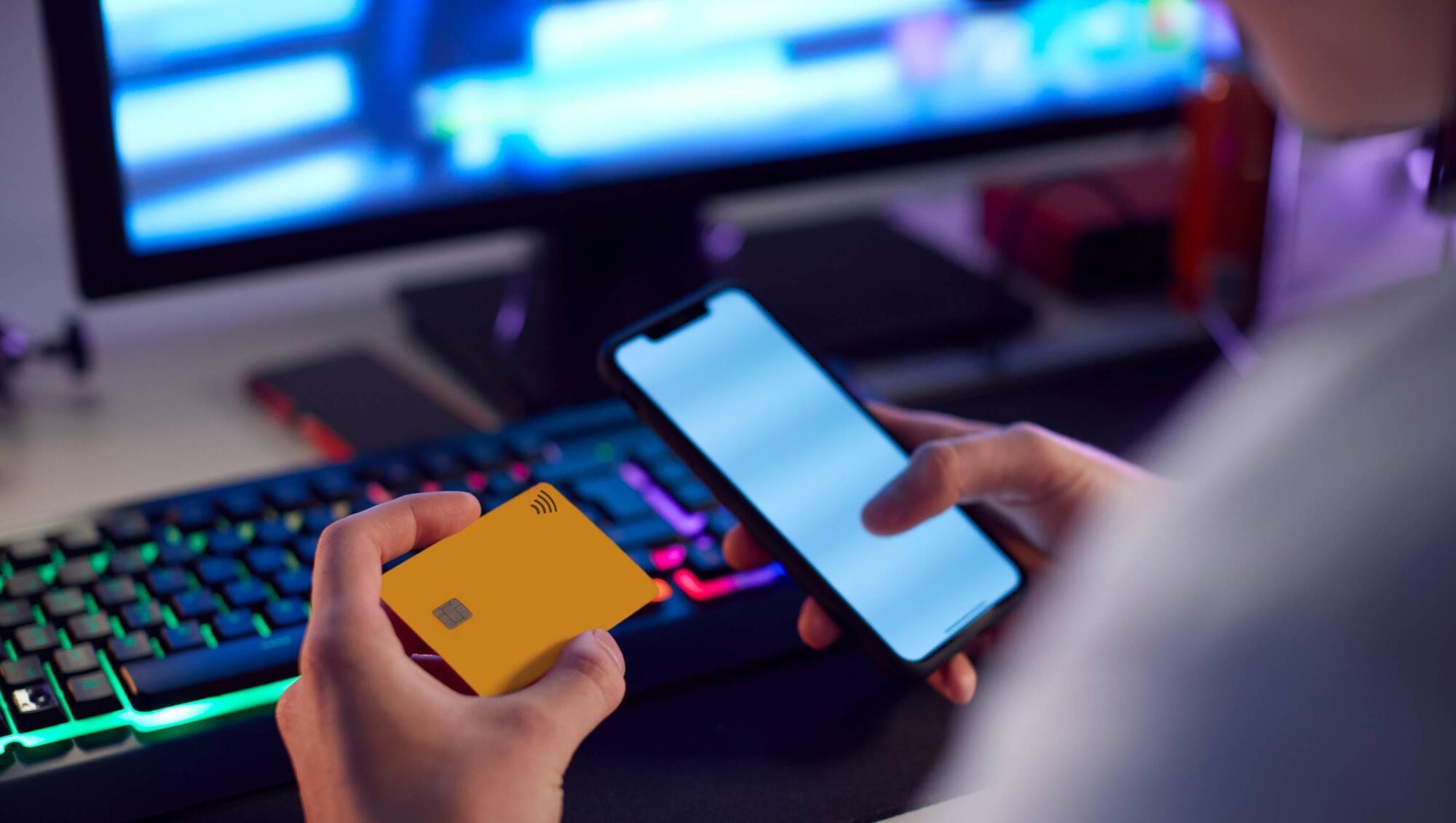
Items from outside the EU are attracting higher levies, but the quality of the goods is also coming under the microscope
Having to pay a large customs charge upfront becomes quite the disincentive to ordering from outside of the EU.

Having to pay a large customs charge upfront becomes quite the disincentive to ordering from outside of the EU.

A recent message started with shoelaces and (if you’ll excuse the pun), it all started unravelling from there.

Let’s go back in time a little bit to examine the new customs category rule that the Revenue Commissioners were very clear about. They said: “Each distinct product type in a parcel attracts a separate €3 charge.”

That should mean that if a consumer orders three identical T-shirts from the same retailer, they should only be charged €3.69 (€3 + Vat). However, if the T-shirts are different materials or designs, then the consumer should be charged €11.07 (€9 + Vat).

It has caused a good deal of confusion, however, and that hasn’t been helped by some online retailers charging €3 per item, regardless of whether they are identical or not. It’s a case of ‘charge now, refund later’ and certain online retailers are doing this to protect their customers from unexpected charges when an order may be split across several deliveries.

The unfortunate Irish Examiner reader who sent me the recent message decided to buy some new shoelaces online in several different snazzy colours. While they were identical in manufacture, design, and brand, apart from the colours, the retailer opted to charge €3 plus Vat per item ordered regardless.

I had to investigate, and off I toddled to the same website to test the theory, and the reader was indeed correct. As the shoelaces were not in the EU, the website was charging a multiple customs charge in advance. However, before checking out, I was warned that the items ordered may not arrive in a single parcel, and that explained the higher customs charge.

Some retailers will refund a customs overcharge after delivery, as happens with Amazon. They also cross-check their general customs charges and make regular minor adjustments. Where the export fee was reduced, a credit is returned to the card used to make payment, and this generally happens within 10 days of delivery; the credit can take a further five to seven days to arrive.

Having to pay a large customs charge upfront becomes quite the disincentive to ordering from outside of the EU though, and I can understand why Irish people are rethinking their shopping habits.

I recently conducted a poll on my social media to see what people thought of the new charges and if they would bring about a change in their online shopping. 

More than half the respondents said they would buy less online as a consequence, and plenty of people expressed how dissatisfied they were with the new charges. They felt that it’s a charge on people on lower incomes, and is unfair when there is not enough variety and/or choice in the Irish retail market.

Most people don’t raise the issue of quality, and this is an area that the EU has a keen eye on.

The European Commission (EC) announced last week that they were fining AliExpress €550m for breaching the Digital Services Act. 

The EU said the Chinese online marketplace had not been able to evaluate whether it had enough staff to review potentially illegal products. They also determined that the company was not able to adequately assess how its systems exacerbate the spread of illegal products. All in, they did not detect illegal products, and their sellers were able to circumvent compliance checks easily, along with selling counterfeit products.

In May, the Commission fined Temu €200m for breaches of the same act for similar reasons, including a lack of assessment of service design which could amplify the dissemination risk of illegal products.

An investigation into Shein for the same reasons was opened in February, 2026, but has not yet been completed. If they are found to have breached the law, they can be fined up to 6% of their worldwide turnover, a not inconsiderable amount. That said, last month France opted to fine Shein €22m for consumer violations.

There are common threads here: The EC is concerned about the addictive nature of these online platforms, which all originate outside of the EU. The quality of some of the products has been proven to be poor enough to be illegal, and in the case of Shein, items have been sold that promoted child sexual abuse material, something which caused outrage in France in 2025.

Closer to home, products that don’t comply with safety regulations are listed on the Competition and Consumer Protection Commission (CCPC) website, and a brief review of recalls over the past year details a disproportionate number of products that originated outside of the EU. What’s worse is that many of the products recalled are because of small parts which are not fixed correctly, and often relate to toys.

I think everybody would be horrified if a toy they bought turned out to be unsafe or a choking hazard, regardless of how easy it was to buy online or how cheap it was.

There’s a reasonable expectation that a toy would be safe to give to a child and not come apart when being played with, don’t you think?

It’s certainly not just retailers from outside the EU who may sell products that are not safe for Irish children. For balance, some Irish toy retailers were still selling e-scooters until last week.

REDMOND RECOMMENDS

The Competition and Consumer Protection Commission (CCPC) recently issued recommendations for air fryers, but it neglected to mention that one should never be placed underneath a kitchen press.

The safest spot for an air fryer is on top of your hob, underneath an extractor fan.

The hob is heat-protected, and the extractor will shift away any heavy cooking smells and help keep your kitchen fresh.

While there is no need to clean your air fryer every day, you should absolutely clean it before and after use, particularly if it has been unused for several days in a row.


Finally, silicone baskets and paper liners defeat the purpose of an air fryer — which is to allow the air to circulate around all of the food.

These will create hotspots and generate soggy food.

x

More in this section

Lifestyle

Newsletter

Eat better, live well and stay inspired with the Irish Examiner’s food, health, entertainment, travel and lifestyle coverage. Delivered to your inbox every Friday morning.

Cookie Policy Privacy Policy Brand Safety FAQ Help Contact Us Terms and Conditions

© Examiner Echo Group Limited