What scattering my mum’s ashes on a West Cork beach taught me about grief
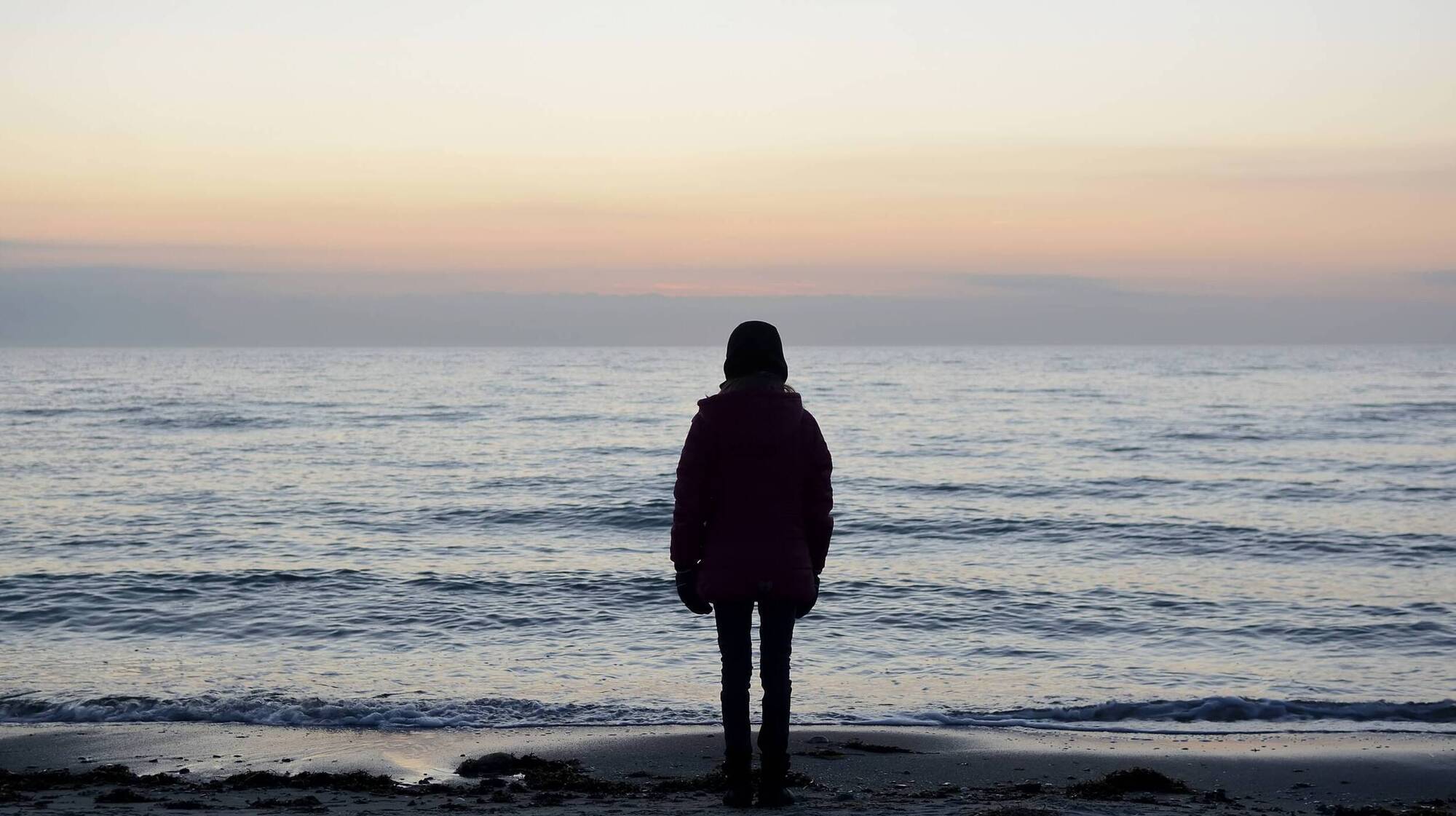
In August, we scattered my mother’s ashes on a beach that she loved.
In August, we scattered my mother’s ashes on a beach that she loved.
Actually, she loved the hotel next to the beach, and staying there and drinking wine with her friends, and in the morning ordering a ‘full Irish’ to her room, even though she knew she would eat only an egg or a sausage. I don’t think she spent any time on the beach. But you can’t scatter your mother’s ashes on a cloche.
Inchydoney Island Lodge and Spa is the gorgeous hotel my mother visited every so often after she got sick.
She quickly reprioritised her life when she was diagnosed.
This included finally wearing the new jeans from M&S she had been saving in her wardrobe for years, buying a good mattress, and re-dedicating herself to her passion for smoking. (She had tried swapping smoking for vaping when she found out she had lung cancer and ended up doing both.)
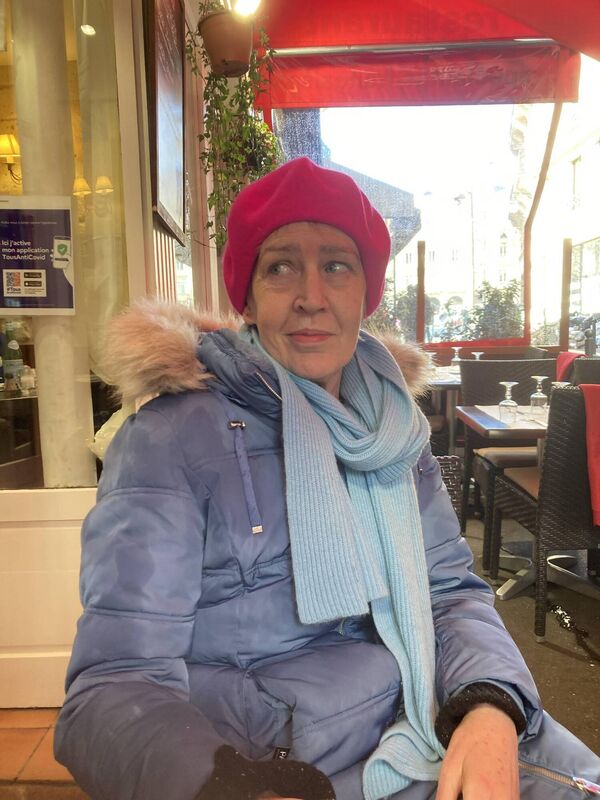
Money didn’t matter: Friends did. True friends and not the revolving door of unfortunate souls she had spent years hosting. She had assembled a little girl group and they had gone for a handful of staycations at Inchydoney. I like to think she was making up for all the sleepovers she wouldn’t have been allowed to have as a teen: Smoking, drinking, and boys were all too great a risk for my grandparents. So my mother spent her adult life rubbing shoulders with ne’er-do-wells, smoking 20 a day, and being naughty in any way she could.
Anyway, Inchydoney was a happy place for her, and I wanted to spread her ashes somewhere beautiful, where she had giggly memories, because there was nothing she loved more than a good laugh.
And I knew I would remember the day for ever, so I wanted it to be somewhere beautiful.
It took us 18 months to arrange. At first, I didn’t feel ready, and then there were the logistics. Neither I nor my brother drive, and the beach is 40km away.
We weren’t sure if it would be appropriate to invite people to the spreading of ashes. My mother’s funeral had felt strange and unreal. I was so detached that I couldn’t stop laughing. I kept looking at her coffin and just found it totally unreal that she was actually in that thing. That, and her request to play Don’t You (Forget About Me) as the coffin slunk off into the embers.
Nobody else laughed at that, which made it worse.
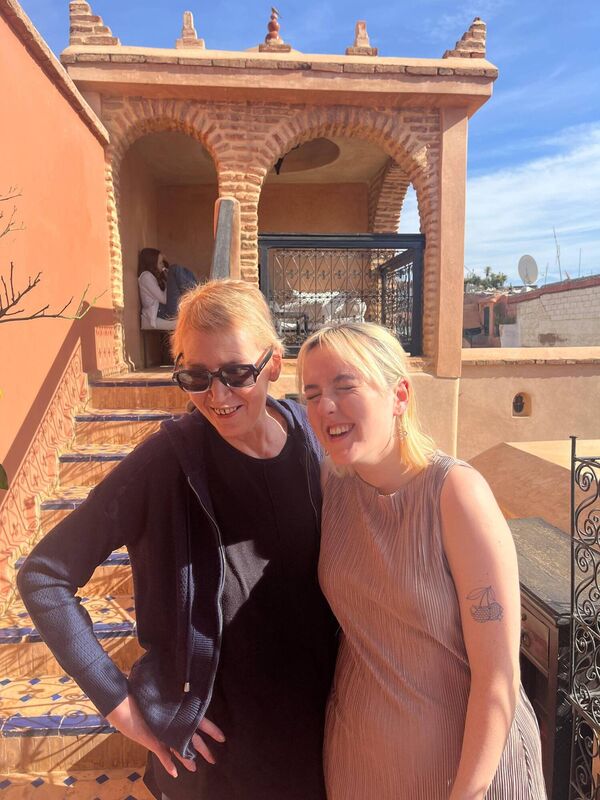
I had thought my grief and my brother’s would become collective once we stood at the podium and gave our eulogy. I wanted to cling onto my shock and my hurt, to gorge on it a while. So, when it came to the ashes, I wanted to take some ownership back. But by the time we got around to it, I had built it up a lot in my head, so we settled on just inviting my aunt.
There was a storm with gale-force winds and torrential rain that day, but we had to go ahead because we had organised to meet my aunt and we had ordered the taxi. He was the driver my mother had used since I was a child.
There was some debate between my brother and I about how best to conceal the fact that we were carrying human remains in a taxi. I’m not sure if there is a rule against that. Declan, if you’re reading this, I’m sorry!
We set off, with our mother on our laps, driving carefully in case of fallen trees, down the winding roads to Inchydoney, and I thought of the last time I had made the same pilgrimage with her.
After her brain surgery, I had come home from London to try and look after her. I say try, because she was a terrible patient. She hated being told what to do, and I think she resented needing me.
I can imagine my mother thinking that it wasn’t the natural order of things; that she wasn’t done with looking after me yet.
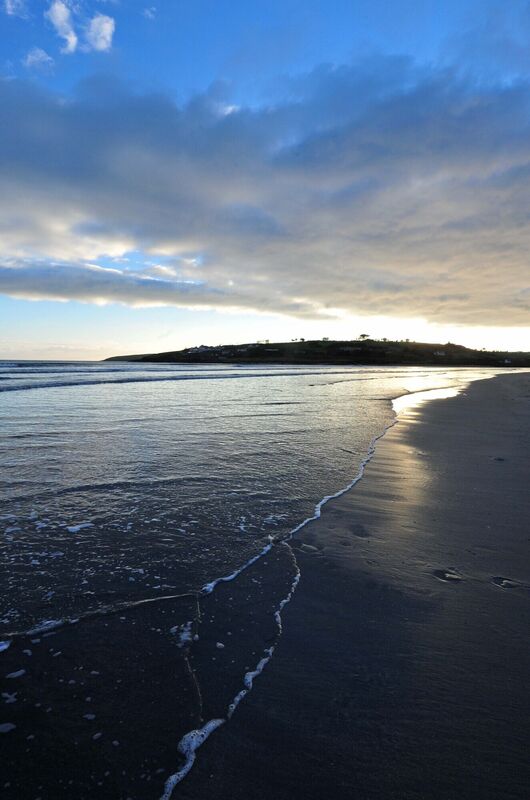
Days after getting home from her surgery, she decided, against all medical advice and good sense, that she wanted to treat us to a night at the Inchydoney.
This was farcical. I grew up on benefits. I stayed in a hotel for the first time when I was 18 and had gone to an open day at Dublin City University.
And we were not a spa-weekend mother-and-daughter duo. Wearing our dressing gowns all day and watching was our beat.
I tried to dissuade her from the post-op jaunt to the coast, but she would not hear no. She had it booked and paid for before I had woken up one morning.
So I let her hang her hat on the fact that I had to come home from London to help her, but she had treated us to a stay in a swanky hotel, so she hadn’t totally burdened me.
My mother always had a strange way of making things up to me. Hormonal issues concealed exactly when she went through menopause, but I know it was when I was a teenager. A mother’s menopause and a daughter’s puberty are a nightmare combination.
When we’d row, she often had to apologise. She would have explosions of rage, and choose the most inopportune, unearned moment to unleash on me.
I would storm off to my room in righteous indignation and slam the door, and an hour or two later she would show up outside my door with a cup of tea and biscuits, usually custard creams, and usually about half a packet.
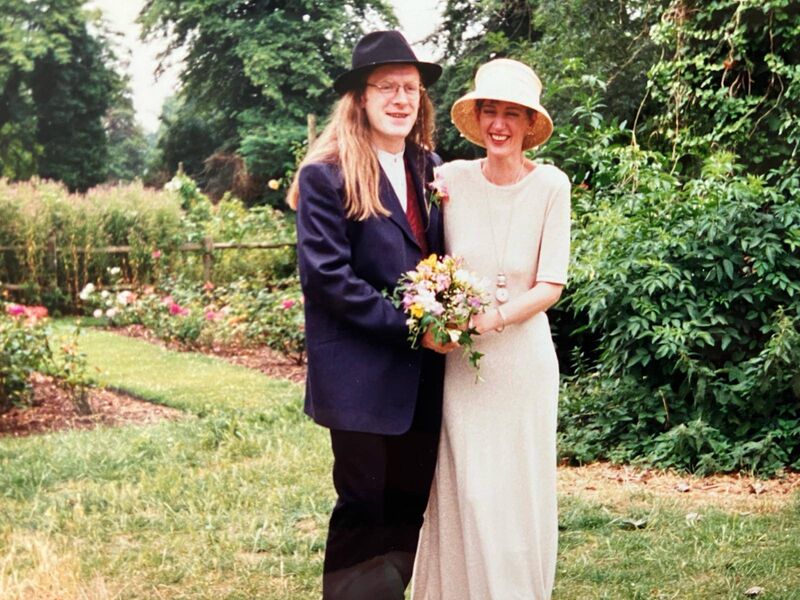
So that’s how, with a little beanie covering the staples on my mother’s forehead and what little hair she had left, we ended up in the taxi and on the road to our girls’ night.
We checked in and drank tea in the foyer, while waiting for our room to be available.
The room had a gorgeous view of the sea, and I went for a dip in the saltwater pool, and then we had dinner. Dinner was anti-climactic, and we picked at soggy fish and burned chips.
The restaurant was dead; it was the middle of the week. And I could tell my mother felt very deflated. She hadn’t magicked her impending death away.
Scattering a person’s ashes is not how it appears in movies. There are a lot of ashes. My mother was a measly 48kg when she died and she weighed the same dead, plus the coffin. But a bag of ashes is not so measly when you are trudging down a long, sandy beach in torrential rain and gale-force winds.
Also, ashes are textured: Mealy clumps of bone and grit. I had expected them to be like the ashes I used to sweep from the fireplace before we got central heating. When we set about decanting her into transportable receptacles — the box she came in was no good for scattering — I couldn’t stand the sight of them. And I couldn’t believe the heft and volume. I had pictured taking, maybe, a small, water-bottle-sized container, not a ‘bag for life’.
The more we poured, the more of her there was: The incredible, never-ending mummy. I suppose, the clue is in the name — human remains — but I had a romantic idea about the ashes. The cremation hadn’t transformed her in to a transcendent kind of matter and that forced me to confront the cognitive dissonance I had about the whole thing.
We finally arrived at the beach and wasted no time with niceties. The beach, usually a dreamy stretch of white sand curving round the coast and petering off into a never-ending blue on the horizon, was dirt brown and the sea was churning.
My aunt, my brother, and I set about getting to business. We descended the stairs onto the sand, we three, and battled the elements to walk down the beach.
With each step, it dawned on us all individually that this was probably not a good idea, but it was too late to stop.
We must have only made it about 500m, but it felt like we were walking for hours, before we decided that there was no ideal place, so we ought to find the least shit place.
I suggested that it might be slightly more sheltered over by the dunes on the edge of the beach, rather than down by the water, where I had fantasised about delicately sprinkling the ashes.
There was a bit of awkwardness about whether we should say a few words, not that we could hear each other over the roaring wind. And so my brother and I gave each other a look that said, ‘Alright, let it rip’.
Do throw the ashes against the wind. That’s my advice. The direction of the wind is hard to gauge when it’s battering your face, pulling your jacket up, and pushing your trousers back against your legs.
I had to draw the cuffs on my raincoat skin tight to stop her trying to blow back up my sleeve and come home with me again.
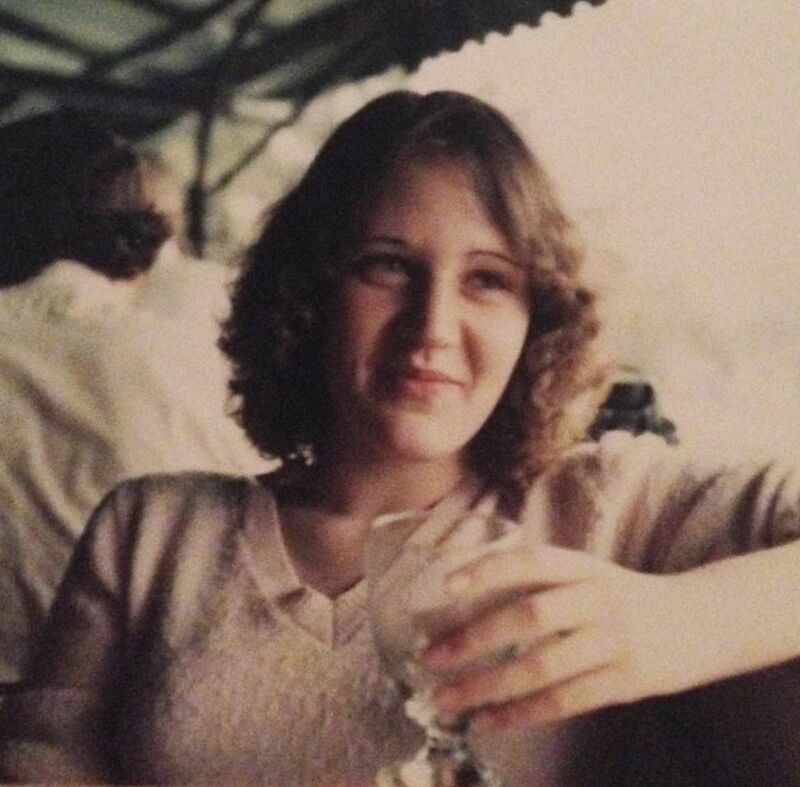
My mother notoriously hated leaving the house, so this wouldn’t have surprised me. We just poured the ashes onto the ground in batches.
When I saw mum there, tangled in the long beach grass like five-o-clock shadow, strewn among the reeds, indistinguishable from the dunes, it felt apt. Apt because it was hilarious and apt because it was fucking disastrous. The whole time, I was crafting the texts I would send to her friends once we got home,
I felt I was honouring her, because she had a wicked sense of humour and sincerely would have found the whole ordeal hilarious.
I was also crafting these texts in my head to cope: To cope with how wrong it had all gone; to pardon myself for dumping my beloved mother on the side of a grey, damp, windy beach, where dogs were sure to shit on her and she would get trodden into the earth, instead of sailing up over the sea, ephemerally carried by the wind. And for trying and failing to set her free.
Like everything I have learned about death, it was mundane; trite. I didn’t feel her presence, I didn’t get the sense we had given her peace, and I didn’t, despite my laughing, find it funny at all (I do find it a little funny now, though).
When the deed was done, I didn’t feel lighter: I felt dirty. You cannot really deflect grief. Death is an ugly, pragmatic process. We stood for a moment, until it felt ridiculous to just stay there getting battered by the rain. Nobody said anything. It was a necessary task, and now it was done. I had held my whole world in my hands and then I had let it go. There my mother was, all rain and marram grass and salt. Her final resting place.
- Jordan Lynch is a freelance writer from West Cork. She lives in London, and is the co-founder and editor of literary magazine Reverb
CONNECT WITH US TODAY



Be the first to know the latest news and updates