Bernard O'Shea: The Dad Bod Diaries, Week 8 — discovering the humbling power of squats
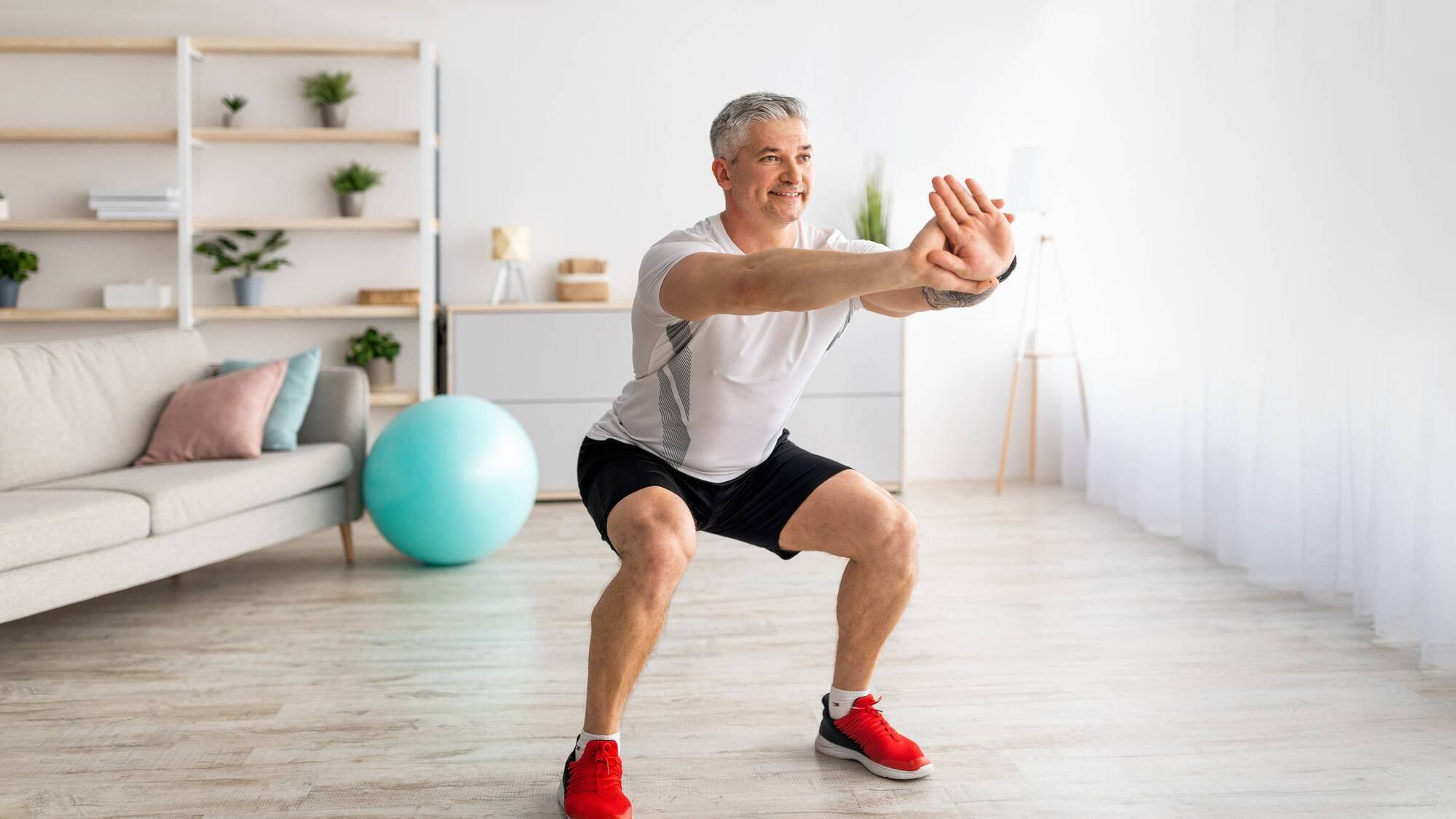
'The uncomfortable truth is this: I don’t hate squats. It’s that squats reveal something. I sit too much. Too long in the car. Too long writing.' Picture: iStock
Diary of Reginald P Squatworthy, 1857: February 19:
There are certain exercises that feel personal. Squats are one of them. I don’t hate them in the loud, throw-the-dumbbell-across-the-room way. I hate them in the quiet, wounded way of a man who realises an exercise has identified his weaknesses before he has. When I do squats, I often joke in my PT session: “At the bottom of this, I feel like I’m either being born or dying. Not sure which.”
There’s a moment down there where everything goes silent. My knees consider their options. My hips file a complaint. My brain says: “This is unnecessary. There are chairs for this.” Which is ironic — I spend most of my life in chairs.
Recently, my wife was telling me about Japan and the so-called Blue Zones — places where people live exceptionally long lives. Okinawa comes up a lot. Apparently, one of the quiet reasons people there stay mobile well into old age is that they sit on the floor. They eat on the floor. They read on the floor. They chat on the floor. And then, crucially, they get up again. Repeatedly.
Then, last week, I did a morning gig at Colm O’Regan’s mum-and-baby comedy session. A lovely idea. Comedy before lunch. Heckling from someone chewing a rice cake. But something unexpected happened. Between jokes, I noticed a lot of mums sitting on the floor. Cross-legged. Half-kneeling. Side-saddle with a baby balanced like a kettlebell. And then — without ceremony — they stood up. No hand on the knee. No dramatic inhale. No whispered “right…” before launch. Just… up. At one point, genuinely baffled, I asked, “Is that not really painful?” They looked at me the way you look at someone who has just confessed they don’t believe in gravity.
If I sit on the floor, it’s an event. There’s a forward rock. There’s a scan of nearby furniture. There’s a possibility I’ll remain there permanently and simply adapt to a lower standard of living. I have developed what I now realise is a strategic relationship with gravity.
And the uncomfortable truth is this: I don’t hate squats. It’s that squats reveal something. I sit too much. Too long in the car. Too long writing. Too long in cafés, convincing myself I’m “working” while slowly fusing to a chair.
And that’s when the Japanese floor-sitting theory stopped being abstract and started feeling uncomfortably relevant. Maybe longevity isn’t about heroic gym sessions. Maybe it’s about not outsourcing your movement to upholstery.
So I’ve started something small. Every time I get up from a chair, I do five squats. Not heroic ones. Not for god-like hamstrings or some late-life athletic reinvention. Just five. Heels down. Chest up. Controlled.
It’s not about building thighs that frighten strangers. It’s about making sure that, for as long as possible, I can get out of a chair without sounding like a constipated donkey.
Because here’s what I’ve realised at 46: strength isn’t lifting the heaviest thing in the room. It’s lowering yourself calmly — and rising again — without fear or negotiation.
I’m not trying to become flexible like a yoga instructor. I’m trying to future-proof the simple act of standing up.
But I managed it. No furniture. No donkey noises. Just slow, deliberate effort. And while I still hate squats — deeply and sincerely — I hate the idea of not being able to stand up more. The Japanese might call it longevity. The flexible mums at the toddler comedy gig call it a regular Tuesday. I call it five squats every time I get up from a chair.
Not to become a Greek statue. Just to make sure I’m not permanently seated when I don’t have to be. Five at a time feels manageable. And at this stage of life, manageable is heroic enough.
Read More
CONNECT WITH US TODAY



Be the first to know the latest news and updates