Bernard O'Shea: Four things I learned about the 6-7 meme
Bernard shares one way to stop your kids from wrecking your head
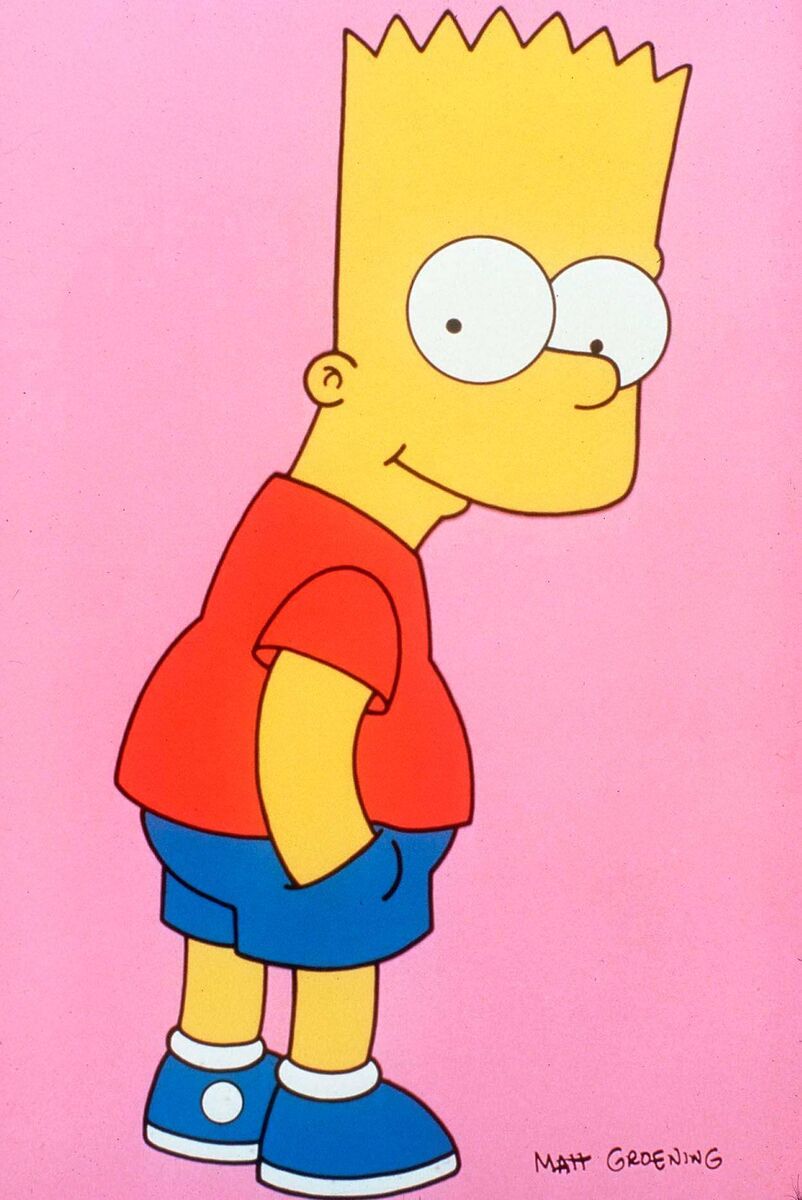
Back in the 90s, long before “six seven” was echoing through Irish kitchens, I was doing my parents’ heads in with a different kind of verbal torture: “Don’t have a cow, man.”
I said it morning, noon, and night — in the car, at the dinner table, at Mass... and even when no one was giving out to me in the first place.
My mother would grip her hands tight as if bracing for electric shock treatment. My father had a far more direct response: “If you say that one more time, you’ll be having a cow.”
They didn’t know or care who Bart Simpson was; they didn’t understand or care to understand why I kept quoting him, and they definitely didn’t understand why this small, bowl-haired child had turned into a one-line American catchphrase machine.
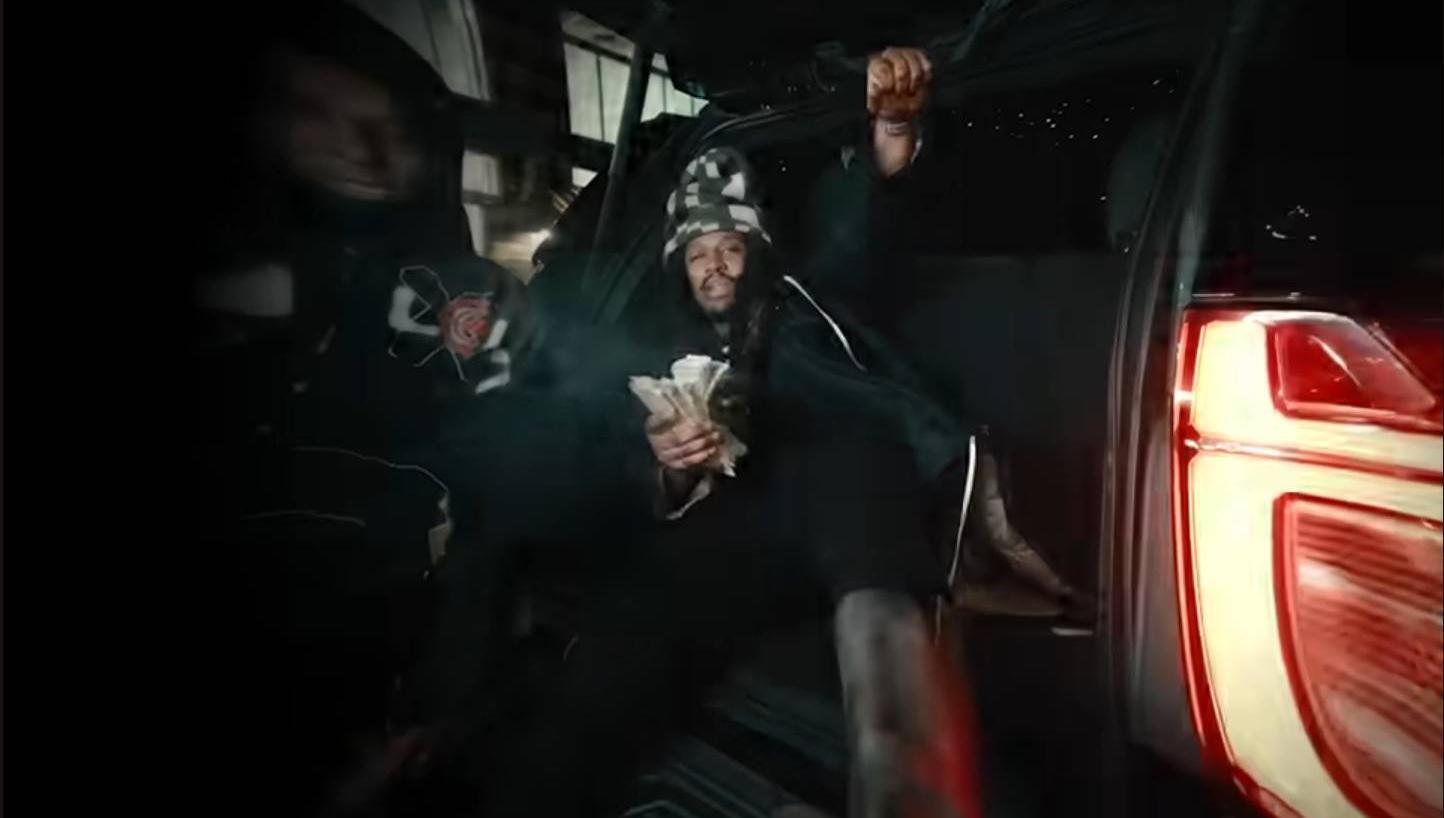
The internet grabbed it instantly. And because LaMelo Ball — an NBA star with TikTok superstardom — is also six foot seven, the numbers fused like two cousins fighting over the last selection box.
Every basketball edit, every hype clip, every slow-motion dribble: boom. “Six-seven” slapped over it.
From there, it stopped being a lyric and became a vibe. A sound. A feeling.
Dictionary.com even chose 6-7 as the Word of 2025 — imagine being beaten by a number.
Final thought? The meme wasn’t born in a classroom. It was born in music, sport, and an algorithm that loves nonsense more than your child loves avoiding chores.
In one clip, he accidentally became a primary-school menace and the face of a meme he absolutely did not mean to create.
By the summer of 2025, the lad wasn’t just a meme — he was folklore.
Kids were distorting his image into horror edits, remixing him into TikToks, and shouting his catchphrase like a war cry every time they opened a book to page 67.
Final thought? He didn’t invent the meme — he just launched it into orbit and made every adult in a 20-mile radius question their sanity.
Linguists call it “playful nonsense with social bonding properties”. Parents call it: “Stop shouting numbers in my face before I lose the will to live.”
Teens adore it because it annoys adults and delights each other — the two primary fuels powering Generation Alpha.
It requires no explanation, no punchline, no context. You don’t even need to be in the conversation. You just yell “SIX SEVEN”, flap your hands, and run.
Final thought? If you try to solve it, you’ve already proved you’re old.
Brands have jumped in, too. When McDonald’s UAE starts giving out extra nuggets “in honour of 6-7,” you know the meme is officially on life-support.
Final thought?
Memes used to take years to become part of the folklore. Now it takes a TikTok sound and one small lad shouting at a camera.
Use it incorrectly. Say it at the wrong time, loudly, in public.“Who wants dinner? SIX SEVEN!”.
They will wither inside. Do the hand gesture wrong.
Rotate your wrists like you’re mixing a bowl of cake batter. It drives them absolutely insane.
Overuse it. Kids thrive on the edge and chaos — not adults butchering their memes with Dad energy. Say it so often they choke on their own cringe.
Make it educational.“Oh, you said 67? Great! Let’s revise your times tables.” They will never say it again.
Tell them the origin story. Nothing kills a meme faster than a parent explaining it like it’s Leaving Cert poetry.
“Actually, love, the phrase derives from a 2024 track by Philadelphia rapper...”
“STOP, DAD. PLEASE.”
You can’t truly stop a meme. But you can bore it to death — and for a parent, that’s victory.

CONNECT WITH US TODAY



Be the first to know the latest news and updates