10 sustainable habits for 2025 you can start right now

Lisa Joyce: "Upcycling is an amazing way of making old things pretty or changing things to suit your new style." Picture: iStock.
With projections for climate change looking worse than ever, making small changes to your daily habits and routines can make a difference to the planet. Simple lifestyle changes can help reduce your carbon footprint and we have ten suggestions to get you started.
According to reports from MakeMyMoneyMatter.co.uk greening your pension cuts your carbon footprint 21 times more than going veggie, giving up flying and switching to renewable energy. Switching to sustainable banks and super funds is one of the most effective individual actions a person can take.
Sustainability Consultant, Sharon Keilthy recently moved her pension after finding out that while her pension was invested in industries like tech or food, 7% was invested in fossil fuels and a smaller percentage in weapons.
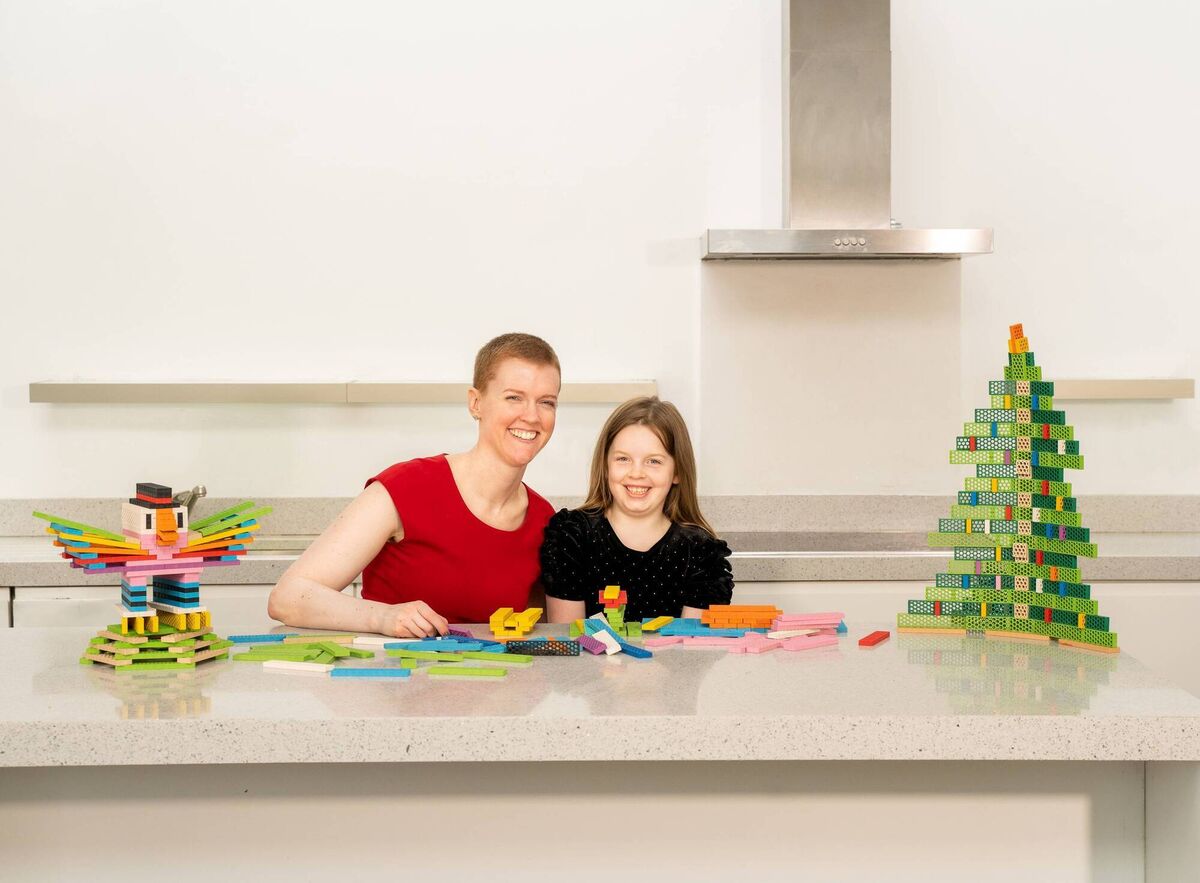
“Here we are at home doing our best by trying to shop mindfully, letting our gardens go wild, trying to recycle better, eating less meat, driving and flying less, meanwhile its most likely that our pension is funding the opposite,” says Keilthy.
The average person is unaware that most Irish pensions are funding fossil fuels, driving deforestation, and quite a few of them are funding weapons.
“Your pension provider is obliged to let you know what your pension is invested in,” advises Keilthy, who also recommends learning more about how to bank sustainably by checking out Bank.Green.
The transportation of people and goods is one of the largest sources of greenhouse gas emissions. While travel needs systemic change, individuals can choose creative travel plans for a more sustainable future by planning trips that are good for the planet. Reducing our personal contributions can include using public transport, traveling by train or boat instead of flying, choosing airlines with carbon offset programmes, and looking for accommodation committed to inhouse sustainable practices.
Food waste is a simple yet truly impactful choice when working towards sustainable habits.
“By planning meals, shopping with a clear list, and preparing only what is needed, families can significantly cut down on the amount of food that goes to waste,” says Pat Kane, a sustainability strategist, founder of reuzi, who also suggests being mindful of portion sizes.
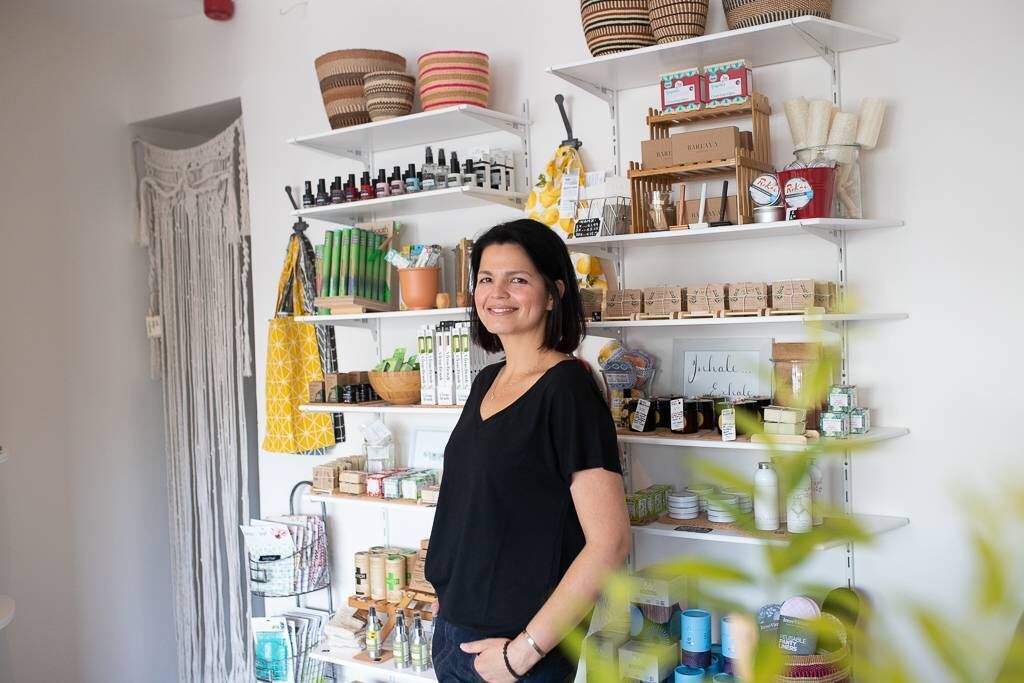
“By using every ingredient fully not only are you reducing the environmental impact but also saving money, making it practical and sustainable.”
For those interested in going a step further, choosing a plant-based diet in comparison to diets rich in animal products is a more sustainable alternative because they use many fewer natural resources and are less taxing on the environment.
Fast-fashion and clever advertising subtly encourage excessive purchasing of clothes we don’t necessarily need when we could be “shopping” our wardrobes instead. Look after your clothes and you will inevitably send less to landfill.
Avoid the automatic rotation of washing your clothes after one or two wears. Spot clean stains instead. Wash at 30 degrees as higher temperatures can weaken fabrics and avoid the dryer for the same reason.
If you are looking for a new outfit, consider a vintage find over something new. Kathy Sherry from vintage clothing store, Dirty Fabulous, suggests that there are many ways to keep your vintage in great condition.

“From hanging dresses properly, using their support loops, making sure buttons and zips are done up to ensure the garment isn't put under unnecessary strain,” she says.
“Many vintage dresses can be hand washed, depending on the fabric, but it's important that if there is any loose beading or seam separation that these are repaired and secured before washing.”
Microplastics, synthetic polymer particles less than 5mm, have reportedly been found in the blood, liver, lungs, and heart, with new research finding the first evidence of the substance in the brain.
A ban on microplastics has been brought in by the EU on a phased basis which means they can still be used until 2027 and will be ingested by the human body in some shape or form for many years to come.
Know where microplastics can be found by checking the app Beat the Microbead which scans product ingredients to find out if it contains microplastics. Choose products without microplastics to keep them off your body and out of the waterways.
You can do this by setting time aside to clean up your device. Delete those blurry photos that take up space on your device. Dump old emails, duplicated files, old videos and anything you no longer need that is clogging up memory such as apps you no longer use.
By doing this you will not only save energy as your battery should last longer, but your device will also work more efficiently.
Consider changing your browser to Ecosia, the eco-conscious search engine. Every online search produces .5gr of CO2. Google receives 6.9 billion requests per day which produces the equivalent of driving 6.7 million kms a day.
Ecosia runs on 200% renewable energy and plants trees for every 45 searches you make with a current tally of over 220 million trees planted to date and almost €90 million dedicated to climate action.
Most of us have a junk drawer with swarms of unused, old, or broken electronics, cables, forgotten phones and USB sticks. Consider having a clear out and bringing unused electrical items to your local WEEE drop off point so that they can be recycled and brought back to life thereby saving resources and giving you back a small bit of space in the drawer.
With the world spinning on mountains of waste, it is a good habit to reduce what we send to landfill including the big-ticket furniture items which can be lovingly repaired or upcycled.
Upcycling a piece of furniture is said to divert on average 30.54kg of CO2 equivalents from landfill.
Lisa Joyce, an interior décor and DIY enthusiast, recognises that people tend to get bored with their furniture quicker these days. “Upcycling is an amazing way of making old things pretty or changing things to suit your new style,” she says.
“Almost anything can be painted once you prep it right and use the right tools.”
If a piece of furniture has gone beyond the point of using your imagination to give it a new lease of life, Lisa encourages others to give away old pieces of furniture rather than send it to the dump. “One person’s trash can be another person’s treasure,” she says.
Local communities are proactive in making change in how resources are used so dip into the many ways your town may be promoting sustainable practices.
Borrow physical and online books, games, DVDs, tools and musical instruments from your local library. Utilise your communities’ talents.
Seek out a local seamstress to keep your clothes in good shape. Find second hand treasures in vintage and charity shops and watch out for local swap events.
If you have a refill store in your town, take advantage of the quality goods while minimising packaging and waste.
Find local places to repair and maintain equipment, consider toy libraries, and pitch in with your community to promote sustainable practices.


CONNECT WITH US TODAY



Be the first to know the latest news and updates