Here's why I'm watching 'cleanfluencer' videos in my messy house
Pic: iStock
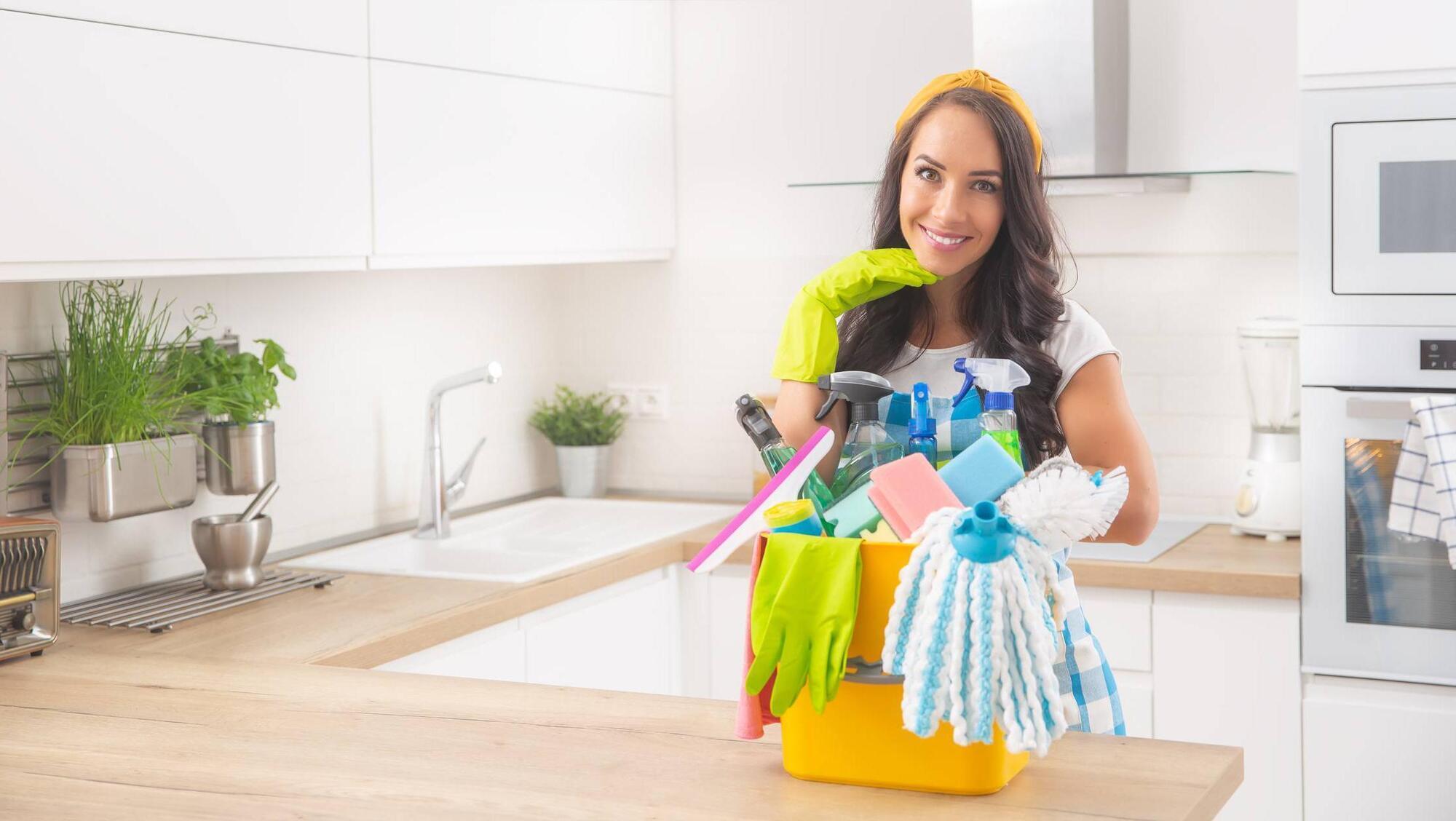
As I scroll through Instagram, I see another cleaning video. My third in about a minute of scrolling. This one is of a woman wearing neutrals, in an all-white sitting room, cleaning what looks like an already-spotless sofa.
In a fit of paranoia, I look around at my kitchen. Can they see the piles of Lego and LOLs on the kitchen table? The stacks of shoes by the door? The dust on my skirting boards?
I give myself a mental shake - relax, it’s just the algorithm. I must have let my eyes rest for a couple of seconds on a random cleaning video.
But now that pesky algorithm thinks these cleaning videos are my jam. And the more of them I see, the more I’m leaning into them.
Is this how the addiction starts? Much as I resist, I’m borderline enjoying them.
Now, I’m no clean freak, but there is something relaxing about these videos. A quick straw poll among my friends shows a lot of them agree with me.
“Calming” and “soothing” are words the majority of my friends used to describe these videos.
Ever heard of ASMR? Apparently, these videos fall into the realm of autonomous sensory meridian response (ASMR), which features soothing sensory content - slow movements, whispering sounds, running water, gentle taps, and ripping sounds.
Watching this type of content can cause people to feel a tingle that starts in their scalp and ripples down their neck. In short, it’s relaxing.
I can’t say I get scalp shivers when watching these videos but seeing the messy-to-clean transformations does something to my often-addled brain.
My own house might not look quite like that of CatBen on Instagram but I enjoy seeing someone else cleaning and organising their house. And I’m not the only one.
Whatever we may think about cleaning influencers (or cleanfluencers), they are a social media, nay, cultural, phenomenon. You’ll find them all over Instagram, YouTube and TikTok, some with millions of followers.
On TikTok, the hashtag CleanTok has almost 100 billion views, outperforming other popular hashtags like #BeautyTok by almost 100%.
The message? Cleaning sells.
In a release marking a partnership between Unilever and TikTok in June 2023, TikTok revealed that 54% of users bought a household product after seeing it on the platform (71% of those purchases were spur of the moment).
That’s some conversion rate, whatever way you look at it.
Dr Gillian Moran, Assistant Professor of Marketing at Maynooth University, puts it down to a combination of their relatability (they’re just ordinary people like us) and the value they’re offering with their tips and hacks.
“These people are not necessarily experts, but they don’t need to be. If they are self-taught or have acquired the knowledge themselves and are sharing it with us, then this is more credible. It’s showing altruism. What we’re seeing is that cleanfluencers don’t use specific jargon, they are ordinary, relatable people who stumbled on an effective way of cleaning the oven or other appliance and are sharing it with their followers.”
For influencers to become influencers in the first place they have to offer a hook, or valuable content. “Life hacks, how-tos and tips are incredibly popular types of content. Specifically for time-poor people who are looking for bite-sized videos that solve a problem - like how to get a grass stain out of a t-shirt. For it to become popular with viewers, the content has to be on point and not waste their time,” says Dr Moran.
Like with any social media influencers, the trajectory of a cleaning influencer is that you get an audience and then you start to grow that audience.
“Popularity itself leads to credibility; people see cleaning influencers with hundreds of thousands of followers and figure they must be sharing hacks that work, and so their influence continues to grow. It’s a self-reinforcing cycle,” says Dr Moran.
There’s no two ways about it, the effect cleanfluencers have had on the cleaning industry is nothing short of phenomenal. Thanks to their videos and cleaning hacks, cleaning has become, well, trendy. Or so it seems.
What many of these cleanfluencers have done is reframed cleaning as therapy.
“An influencer tries to monetise their personality and skillset. Cleanfluencers often do this while presenting cleaning, or dealing with mess, as a form of psychological therapy,” said Professor Jo Littler and Dr Emma Casey in their paper: “Mrs Hinch, the rise of the cleanfluencer and the neoliberal refashioning of housework”.
Indeed, Mrs Hinch, one of the more popular cleanfluencers, with almost 5 million Instagram followers, regularly talks about how cleaning acts as therapy for her.
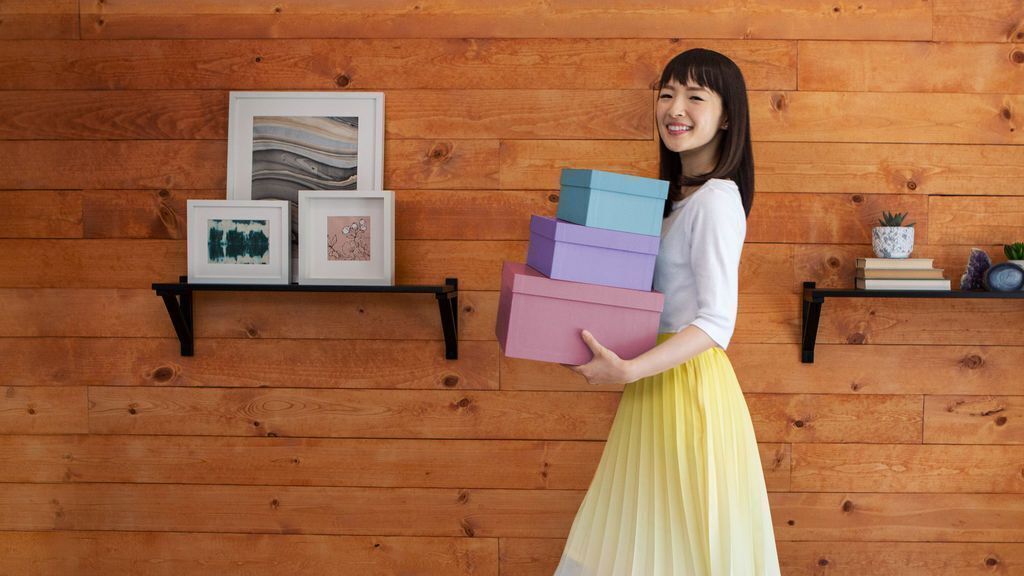
Cleaning, organising and decluttering have long been associated with stress relief and self-care. We need only think back to Marie Kondo’s “spark joy” tagline for her organisation show.
But what these cleanfluencers are also doing is presenting cleaning as glamorous.
With their gleaming white kitchens, highly-organised laundry rooms and well-stocked pantries, they’re shining a spotlight on their enviable, social media-friendly homes, and spawning a cleaning revolution.
And many of us are lapping it up. Today, home stores stock ranges of Instagram-friendly storage tubs and tins, usually in soft pastel tones with ‘washing tablets’ or ‘dishwasher tablets’ on the front (God forbid you keep your washing tablets in the box they came in).
TikTok and Instagram are awash with videos of influencers decanting their fabric softener into purpose-made glass bottles, along with the now-obligatory in-wash scent boosters, into their own container.
And everyday cleaning products too have had the Instagram treatment - pink squidgies, mint-coloured dustpan and brushes, pastel-toned laundry baskets (the foldup kind, of course).
No longer languishing behind the utility room door, these benign utensils have been glammed up and are ready for their social media photo shoot.
And let’s not forget the cleaning products themselves - Shark vacuum cleaners, ScrubDaddy sponges and Minky cloths have all skyrocketed in popularity, particularly among the Gen Z set.
ScrubDaddy’s YouTube channel has over 700K subscribers and its TikTok account has over 4 million followers and 86.8 million likes. For now, the partnerships between cleanfluencers and brands are proving effective, and profitable.
But these cleanfluencers need to be careful.
The more they grow, and the more commercial partnerships they strike up, the harder it can be to find the balance between altruistic content and selling stuff, says Dr Moran.
“People tend to trust influencers because their videos typically aren’t a hard sell. But that can change as they grow and if they share too many commercially-motivated videos.”
Right now, cleanfluencers are enjoying their moment in the sun. And people are still finding value in their content - whether they’re watching the videos to relax, to be inspired, or to get answers to those burning cleaning questions.
Time will tell when the masses will move on to the next big content trend or hashtag.
Much like that just-washed smell of a perfectly white t-shirt, nothing lasts forever.


CONNECT WITH US TODAY



Be the first to know the latest news and updates