Road-crash survivor Róisín: It’s terrifying even to be a passenger now
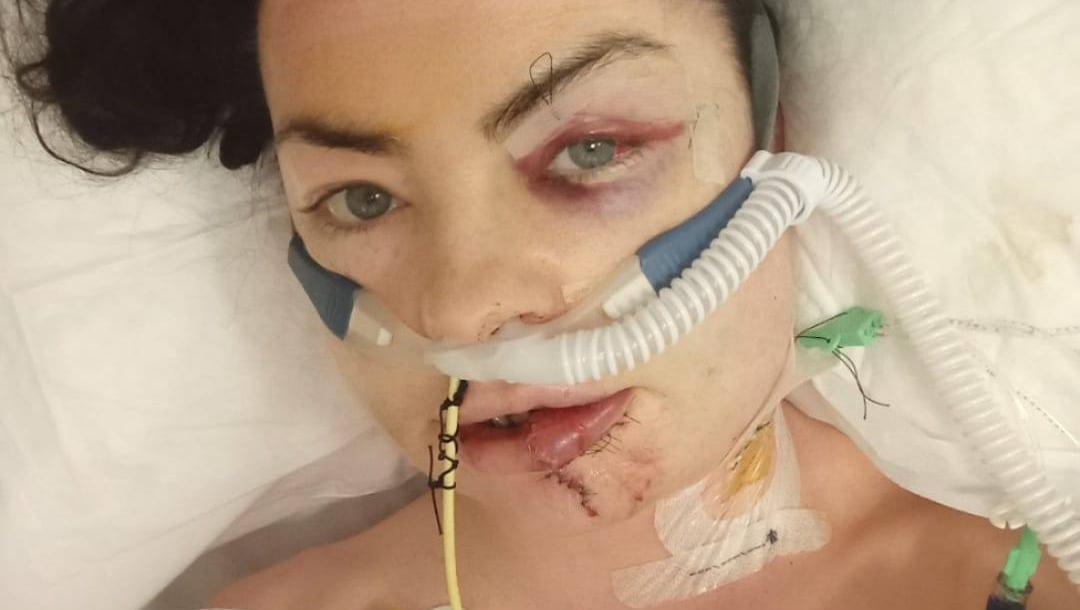
Roisín Stakelum, in the aftermath of the road crash that has changed her life
Smashed glass, twisted metal, and savage injuries — the literal impact of a road crash is very obvious. But there’s a whole long-term impact that persists beyond when the wreckage is cleared and beyond the fading of physical scars.
And after enduring a nightmarish road crash, Róisín Stakelum says it can all flare back up so quickly if she sees brash or heedless driving.
Róisín, 37, survived a head-on collision on the Cork-Dublin motorway last summer. A stolen car on the wrong side of the road hit hers as she was travelling to the capital’s airport to head to a new life in Australia.
Those plans were wiped out in an instant and her post-crash life is totally different. From having her own car and driving at the age of 17 she’s now someone who relies on her parents and friends for lifts to appointments.
As her retired father, Gearóid, was driving her to a recent appointment she had a panic attack when a driver tried to force their way into changing lanes at the Jack Lynch tunnel.
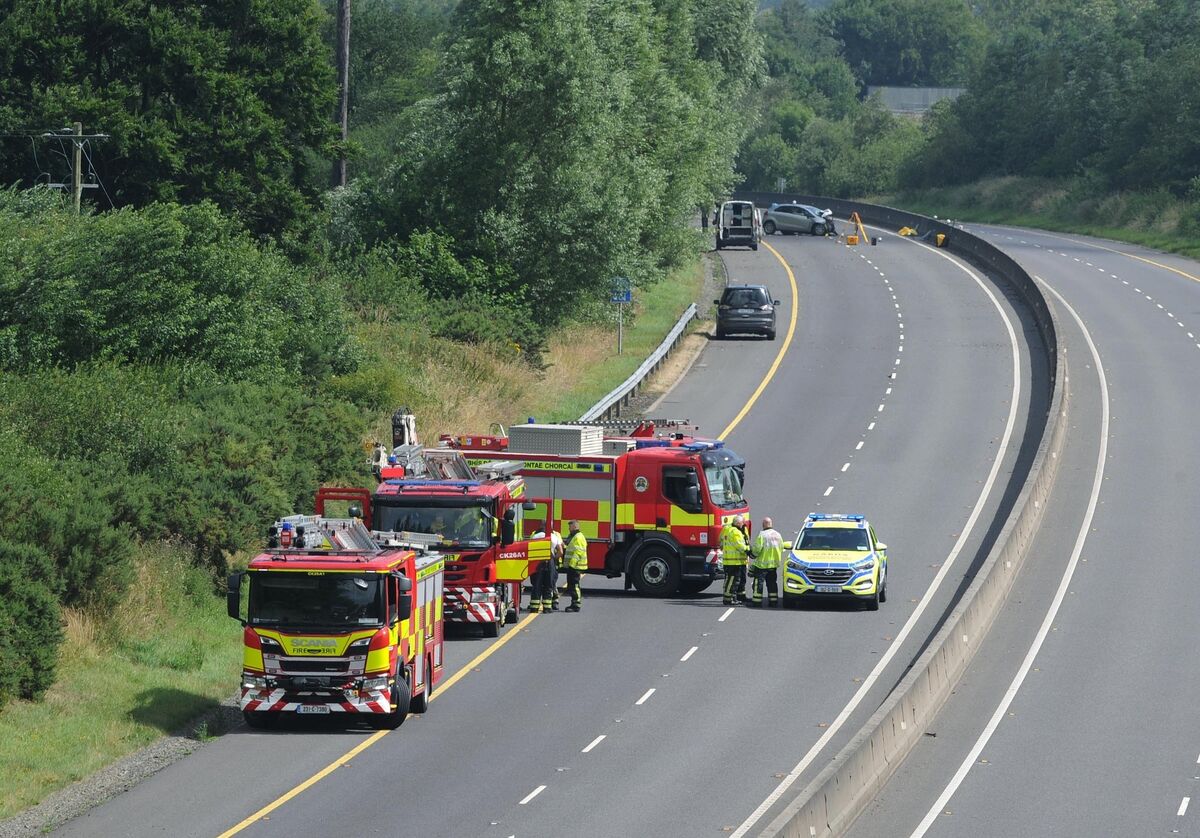
“I am highly sensitive and nervous in cars now. I haven’t driven at all [since the crash on July 1, 2023]. It’s terrifying even to be a passenger. I had a panic attack a couple of weeks ago. We were at the Jack Lynch tunnel and my dad was driving. You’re not supposed to change lanes in a tunnel but a driver was being very aggressive and flashing lights trying to force their way across. Afterwards I was wondering ‘why is he so aggressive and where is he going. He’s not going to get much further down the road by doing this’.”
"Maybe I'm just so extra conscious of it but it really does seem that there is a lot more careless or aggressive driving in the past few years and it is very scary. I would like these drivers to just realise that it doesn't benefit them and can be so dangerous or terrifying to other drivers."
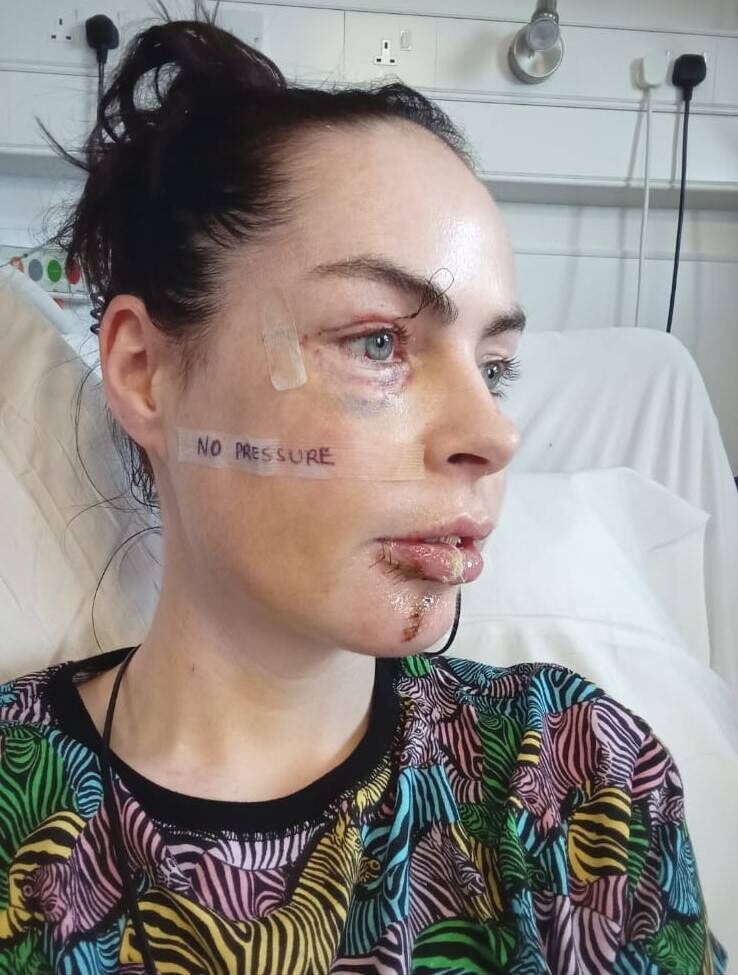
Róisín, an occupational therapist from Fermoy, says she was always a good driver. “I had to have a car from a young age as I lived outside the city. I had my own car at 17 and was a very confident driver. I even drove a minibus for work when I previously worked as a social care worker and then in my last job I had a bigger wheelchair-accessible minibus to drive.”
She has bought a new car since the crash but hasn’t been able to bring herself to drive it yet. Indeed, she is unable to even watch car accidents in movies since her own horrific incident. She is seeing a post-trauma counsellor and hopes to one day be able to get behind the wheel of a car again.
Róisín is willing to talk about the awful trauma she endured to try make drivers aware of the real lives that could be impacted by a moment’s carelessness or distraction: “There is a thing where people, often young people, in cars feel they are invincible.” The circumstances of the crash that continues to affect Róisín were a little different. Teenagers had stolen a car and were trying to evade gardaí at speeds of up to 170kph and on the wrong side of the motorway when they slammed head-on into her car as she was about to emigrate.
“I had said goodbye and had two parties — one for colleagues and one for parents and friends — and we had gone to Connemara for a break too before leaving. And I had everything packed up. It happened so quickly I couldn't comprehend what had happened — it's like my brain wasn't working. It just didn't make sense that there would be a car coming against me.”
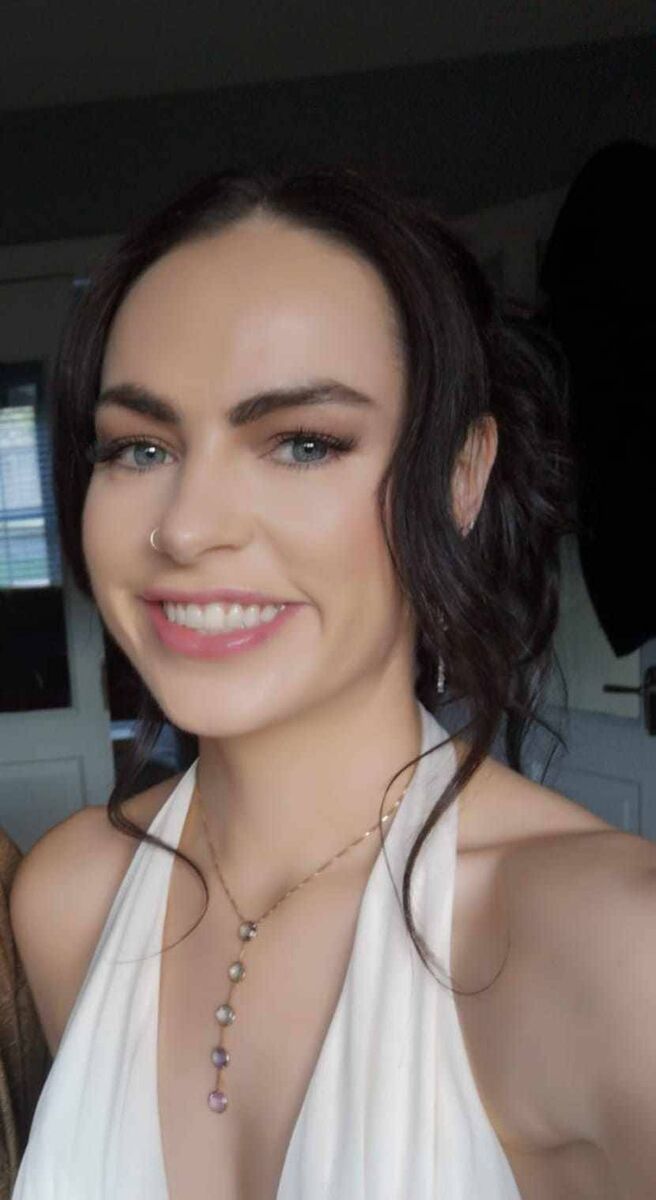
Róisín had been in Australia for one year previously in 2013 but “this was different — it wasn't party and fun — this was a real job and real life”. She had a four-year sponsorship and a job lined up. Her sister, Meadhbh, is living in Australia and they had been so looking forward to meeting up there. Now Meadhbh is travelling to Ireland in May to see Róisín.
Róisín suffered huge physical pain and is still affected now. The front-seat passenger in the high-speed car was killed that night. The other young people in the car were also injured.
Though Róisín has not had any apology or expression of regret from them in the past eight months she tries not to be angry or dwell on that: “I feel like they are sorry. I haven't heard from them and that may be what they were advised to do. It doesn't really matter in one way.”
This positive attitude is also evident when Róisín talks about the irony of sorts in an occupational therapist needing their own occupational therapist as she tried to recover mobility and strength: “I knew all the things to do but then I had an occupational therapist myself. I found I had no motivation to do anything. I felt frozen, like I had weights in my pockets... but it was good learning for my profession.”
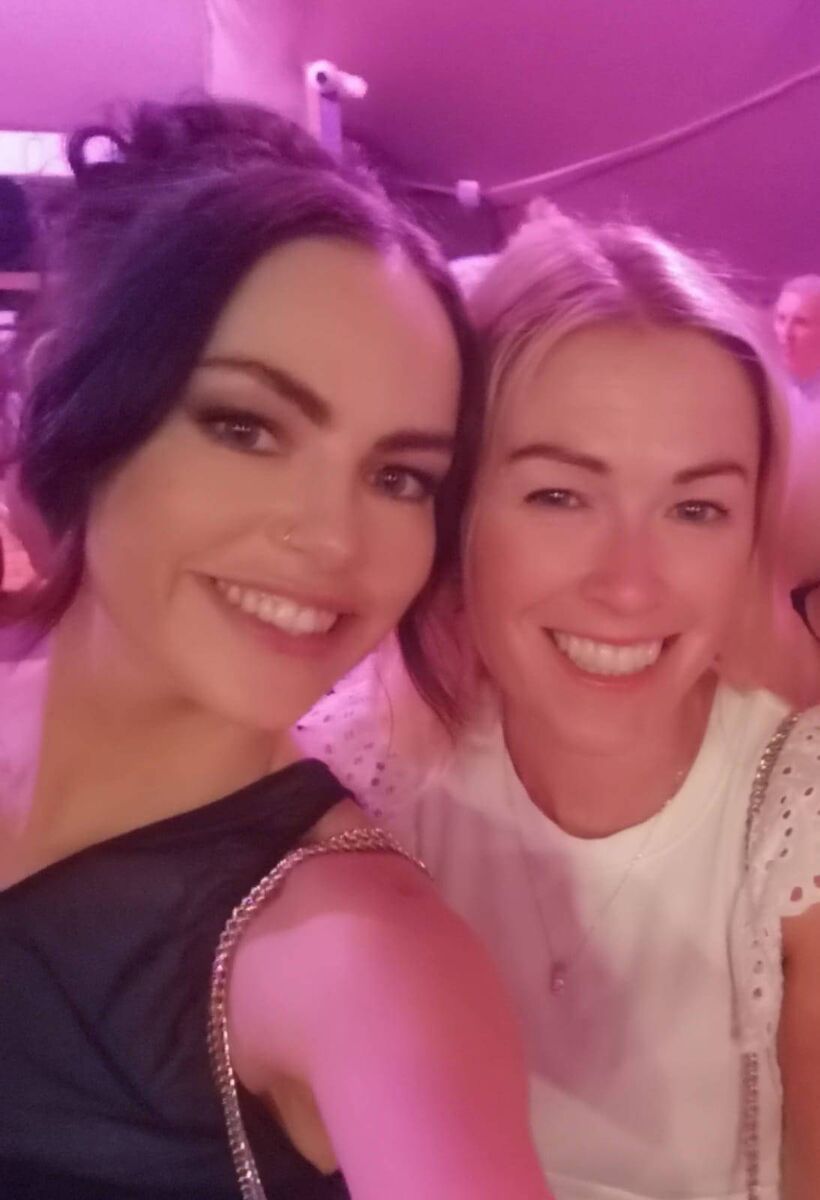
Róisín says she ended up relying on her parents, Margaret and Gearóid, her brother Eoghan and her friends, for “literally everything”.
“My parents and friends have been brilliant. So many people reached out. I can’t even drive to the shop so people have been picking things up for me, and when I was in the hospital they were dropping off pjs and socks and skincare stuff.” In a milestone of sorts now Róisín has moved out of her parents’ home and lives by the seaside now — though with friends staying over all the time.
“It was very difficult. I found it hard to be on my own after the initial weeks in hospital and then I had to go back and stay a few more times. I have been renting this house since October but only moved in three weeks ago.”
Róisín gets told that she was ‘really lucky’ and ‘really unlucky’ in equal measure: “And it's both really I guess. It was on a bend so neither driver could see the other coming — there was no chance. I do sometimes think ‘what if I hadn't stopped for a coffee or if I had left a few minutes earlier etc’.”


She says that she wasn’t religious or superstitious beforehand but “when you think ‘I could have died’ it does do something alright’.”
“I had been given a Pandora bracelet as a going-away gift. It had a hamsa hand on it which is a symbol of protection. I was wearing that when the accident happened. It was mayhem in the A&E then of course and that bracelet was lost.”
She says: “I had also had a Japanese ‘waving cat’ good luck charm on the dashboard of my car — I loved that car. I had been given the cat by a former client who brought it for me from Japan. And I know you can get them anywhere but I thought it was more special that it came from Japan. My sister actually went to Japan recently and bought one there and sent it to me so I have it back on the dash of my new car — the car I don't drive.”
Thirty more people died on Irish roads in 2023 (the year of the collision which injured Róisín) compared to 2022 and with more than 60 people killed on Irish roads so far this year, Róisín Stakelum is hoping that her willingness to speak about her injuries and trauma will help get people to be more aware of the importance of safe driving.


CONNECT WITH US TODAY



Be the first to know the latest news and updates