How our ancestors celebrated Easter after 40 harsh days of Lent
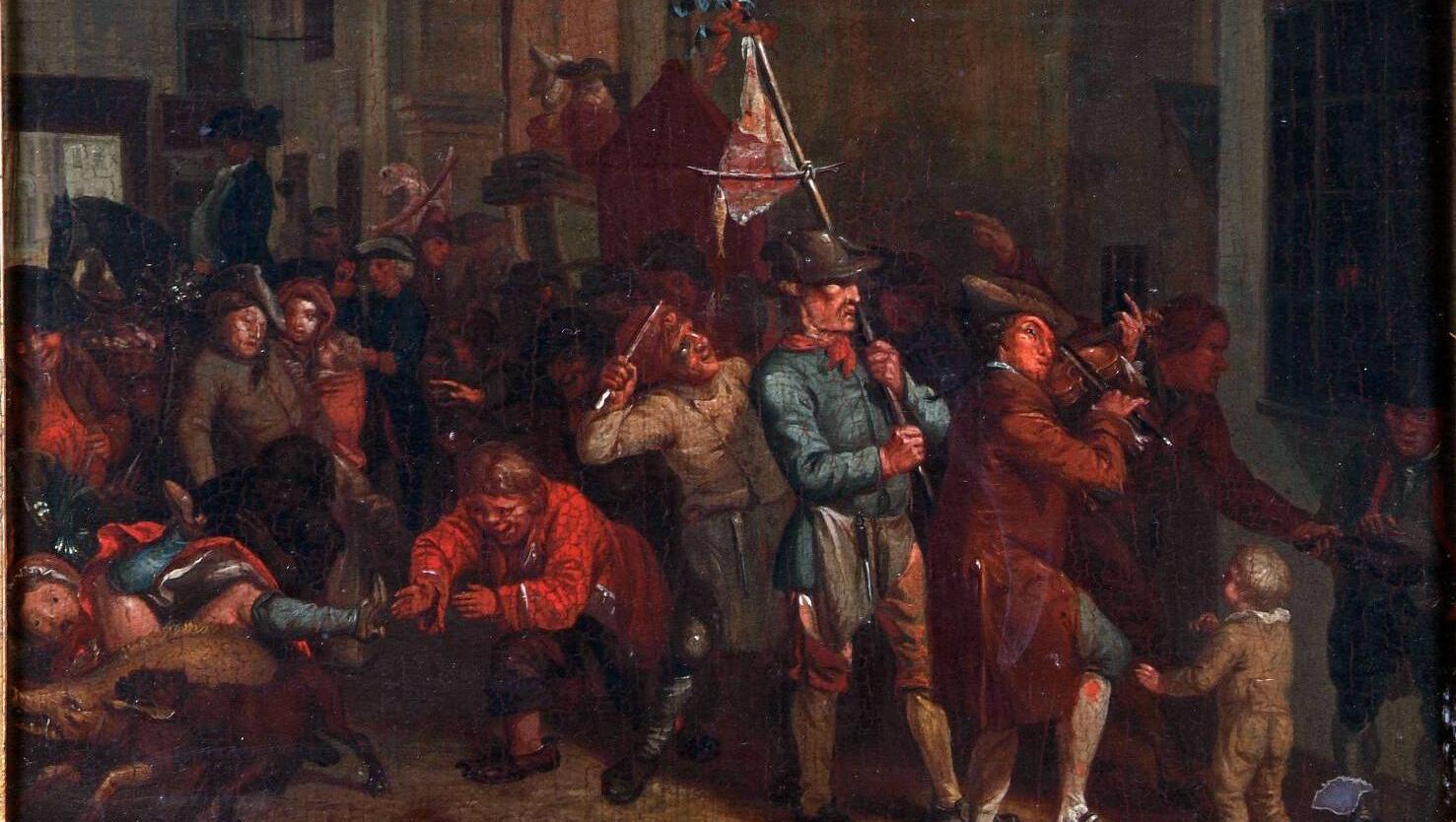
Butchers in Cork city, looking forward to a revival in business, held a procession heralding the final day of Lent known as ‘whipping the herring, as seen in Nathaniel Grogan's painting from the 1800s. Picture: Crawford Art Gallery
These days in Ireland, Easter is as much about chocolate eggs and a long weekend as it is a major religious festival. It’s all a big contrast to the way it was celebrated by people, mainly a religious festival marked with some unusual festivities and customs. It commemorates the resurrection of Jesus Christ and is a major event in the Christian calendar and marks the end of Lenten season of fasting.
But how did Irish people in the past celebrate Easter? The short answer is that Easter was a sigh of relief at the end of 40 harsh days of Lent. Lent loomed larger than it does today over most Irish people’s lives. A period of religious fasting and denial, reflecting the sacrifice of Christ, it begins on Ash Wednesday and ends on Easter Sunday.
Today Lent might involve giving up edible fripperies, such as sweets. In the past, it was a time of denial of many pleasures at once and many basic foodstuffs too: meat, eggs, dairy products, alcohol (obviously) and even sex were all off the agenda for practising Roman Catholics.
Yet people always found ways around some of the bans when required with one major blow-out to look forward to, such as St Patrick’s Day, when people gave themselves a day off Lent to partake in some enjoyments usually forbidden at this time.
Ash Wednesday and Good Friday were ‘black fast’ days, an extreme fast done out of religious devotion. People would have one meal only, usually of water and dry bread. Children over the age of seven were expected to partake in this. There was a fortunately rare belief that babies would have to cry three times before they were allowed to be fed on a black fast day.
Given the fact that Lent was such a long period of penitence and fasting, Easter became one of the most eagerly anticipated and enjoyed feast days in the calendar. Occurring at a time of better weather, it was a time for outdoor excursions, wearing new clothes and enjoying foods and activities previously denied.
Palm Sunday occurred a week before Easter Sunday where ‘palm’ was blessed in the church by the priest and taken home. Blessed palm could be any green plant such as conifer, spruce or yew. In the past, slips of blessed palm were worn by men in their lapels. Branches of it were used as a holy water sprinkler in the home and it was hung in barns to protect livestock. Palm Sunday marked the beginning of Holy Week, and the leadup to Easter marked a time for spring cleaning the home.
Good Friday was a day of agony for Christ, and for Roman Catholics it was a day of prayer and fasting to sombrely reflect on this. No work was to be done. No blood was to be shed, so there was no slaughter of animals, and no fishing boats were to set sail. No wood was to be burned or nails driven through wood, in solidarity with Christ’s suffering.
Some women hung their hair loose as if in mourning and some people went barefoot all day. Cutting hair and fingernails on Good Friday was thought to prevent headache for the year ahead. Cold and wet weather was expected, yet despite this, many people visited graveyards, shrines and holy wells to pray. Water from holy wells on Good Friday was considered especially curative.
Nothing important was to be started on a Good Friday, so it was a quiet day, punctuated by Mass and church services. From 12pm to 3pm silence was observed, and devotions began at the church at 3pm. At this time, the sky was expected to darken in sympathy with the penitence of Christ.
On Easter Saturday, holy water was blessed in the church. People took containers of this ‘Easter water’ home and it was used to bless the house and farm. At this time, Lent was nearly over, and to represent this in some urban areas around the country, butchers held symbolic mock funerals for herrings.
Fish had sustained many people during the meat-free Lent and by Easter Saturday they were quite bored of them. Butchers in Cork city, looking forward to a revival in business, held a procession heralding the final day of Lent known as ‘whipping the herring’. A herring tied to a rope was pulled along and whipped to pieces by the crowd.
The use and decoration of Easter eggs is customary throughout Europe and Irish traditions are not that different. There would have been an abstinence from them for Lent so there would be a large glut of them collected to use up. A feast of eggs was enjoyed for breakfast on Easter Sunday. Children added dyes to colour them while they boiled. They were painted and decorated and either eaten, displayed or played with.
“Easter Houses” were made especially for the day, outdoor makeshift dens constructed by children who, under adult supervision, might light a fire within them to boil their eggs. Easter dinner was second in importance only to the Christmas dinner, and seasonal spring meats such as lamb, veal or kid were customary.
Traditionally Easter was also a time for wearing new clothes. For women, bonnets became associated with the day, but it was customary for men to wear new outfits also. In a response to the finer weather, outings to the countryside took place, people visited landmarks and holy wells. As people gathered, festive bonfires were lit and egg rolling took place. A ‘cake dance’ was held outdoors or at a crossroads on Easter Sunday evening, with a large cake as a prize.
On Easter Monday fairs took place consisting of the usual trading and games, sports, sideshows, food, music, gambling and occasionally, organised faction fighting, a great spectacle for onlookers to behold. The dark days of Lent were over and it was time to look toward late spring and the beginning of summer, and hopefully to better times ahead.
- Marion McGarry is a lecturer at Atlantic Technological University, Galway and author of Irish Customs and Rituals: How Our Ancestors Celebrated Life and the Seasons.


CONNECT WITH US TODAY



Be the first to know the latest news and updates