Edel Coffey: I ended an engagement in my 30s, people's response surprised me
"You only have to look at the ‘Poor Jen’ narrative that has dogged the successful, wealthy, beautiful actress Jenifer Aniston to acknowledge that we haven’t yet managed to normalise the lives of single women."
Edel Coffey: I ended an engagement in my 30s, people's response surprised me

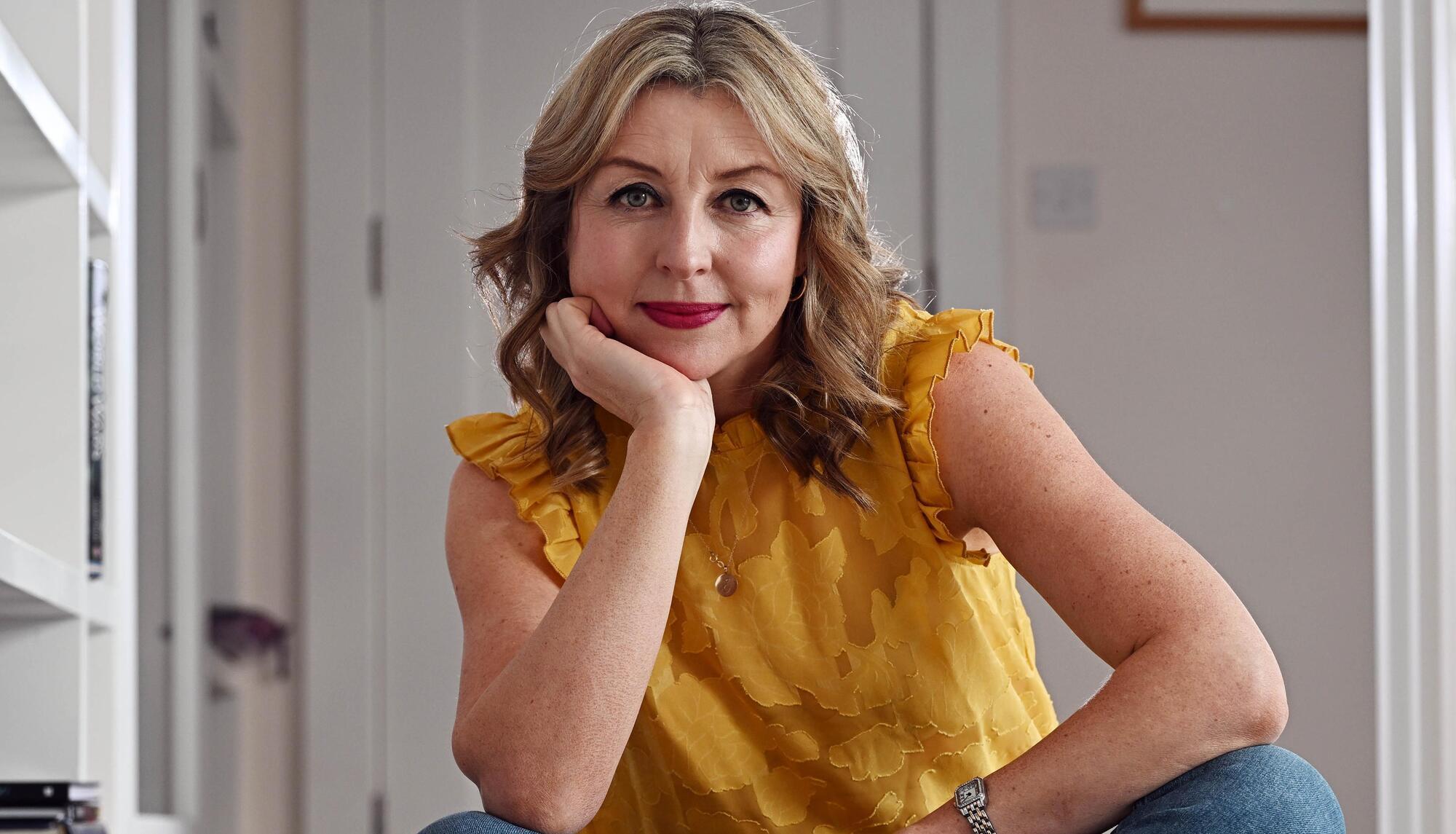
Author Edel Coffey explores the enduring appeal of marriage in her latest novel. Picture: Ray Ryan

When I ended a long-term engagement in my 30s, people’s response to the break-up really surprised me. There was concern. 

What would become of me? Was I throwing away my ‘last chance’? Wasn’t I worried I would end up alone?
I was bemused. Weren’t we living in the 21st century? Did they know something I didn’t? 

The inference seemed to be that it was better to be imperfectly matched than to be a woman untethered in the world. 

You only have to look at the ‘Poor Jen’ narrative that has dogged the successful, wealthy, beautiful actress Jenifer Aniston to acknowledge that we haven’t yet managed to normalise the lives of single women. 

It was a joltingly archaic response that I shrugged off at the time as their problem, not mine.

For my part, I felt that my partner and I had done the right thing, saved ourselves a lot of heartache and expense by not going through with things. 

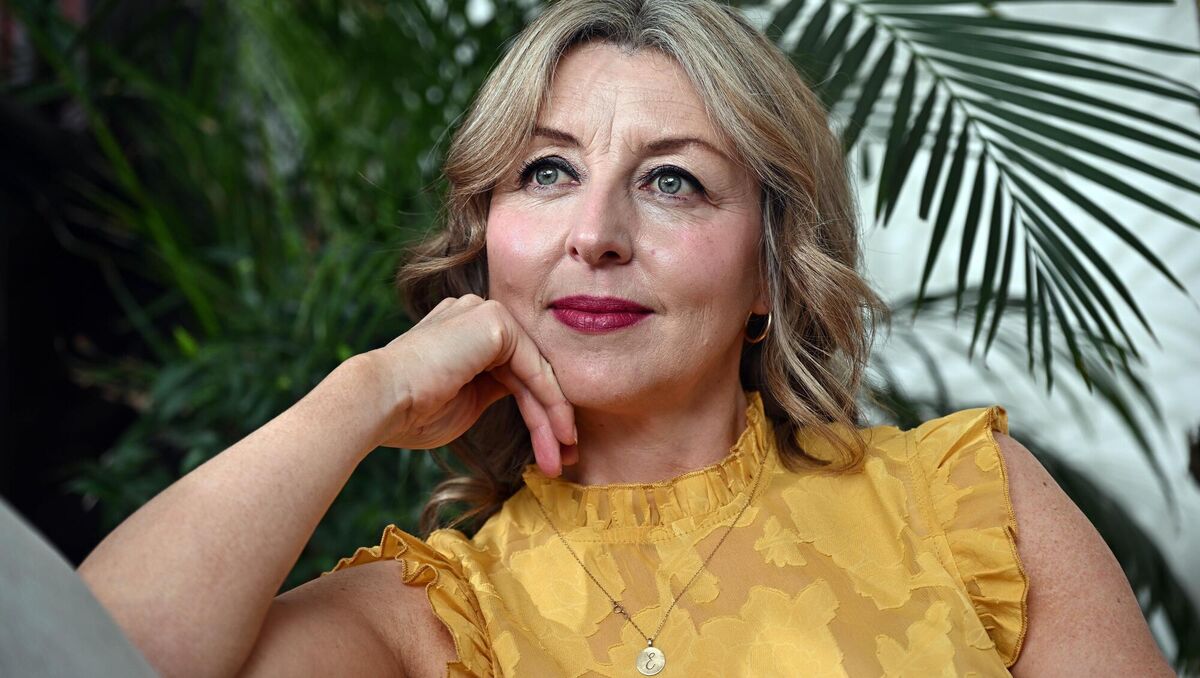
Edel Coffey. Picture: Ray Ryan

And as for what would become of me? As far as I was concerned, I, like many women who live single lives, would be perfectly fine. 

Financially, I would go on living as I always had done, working, paying my own way, and being perfectly self-sufficient. 

Sure, living alone now meant that my rent and bills would double, but I would manage. 

Emotionally, I made my peace with those other spectres that made people wring their hands. 

I would likely remain alone, and I probably wouldn’t have children. While that latter part felt like a loss, I was okay with it. 

I had great family and friends, a fulfilling career, and I was never lonely. Dare I say it, I often enjoyed being alone. 

So I faced into my new single life with equanimity while those around me fretted. I even looked forward to dating, meeting new people and having new adventures but what actually happened was … tumbleweed.

'WHY NOT?'

I noticed a subtle shift in my new life as a single woman in my mid-30s. When people asked me if I was married, or whether I had children and I answered no, there was a gentle drop in air pressure. 

Not enough to cause turbulence but just enough to be felt in the inner-ear canal. I thought I could see a question mark forming on their blank faces. Why not? 

Men seemed scared that I might proposition them; women seemed to want to seek safer, more coupled company, as if I carried the contagion of singleness. These slights went in like matadors darts and drew blood every time.
These things could of course be put down to paranoia, or me being a bit sensitive, because of course, these little snubs are subjective, animalistic, and hard to prove. And I might have imagined them.

Except I didn’t. I started to understand all those weirdly concerned responses to my break-up. People wiser than me knew that there was a status accrued from being a partner, a wife, a spouse and that on the flipside it was somehow interpreted as a lack or a failing. 

In the relationships equivalent of musical chairs, I had been left standing. I was coming to realise belatedly what Carrie Bradshaw and Bridget Jones and Lily Bart had all realised before me — marriage is a status symbol and one that brings a lot of benefits. 

It’s one we don’t like to admit, but one I now know to be true.

The currency and status of marriage, and to a lesser extent, motherhood, is something I wanted to explore in my new novel, In Her Place. 

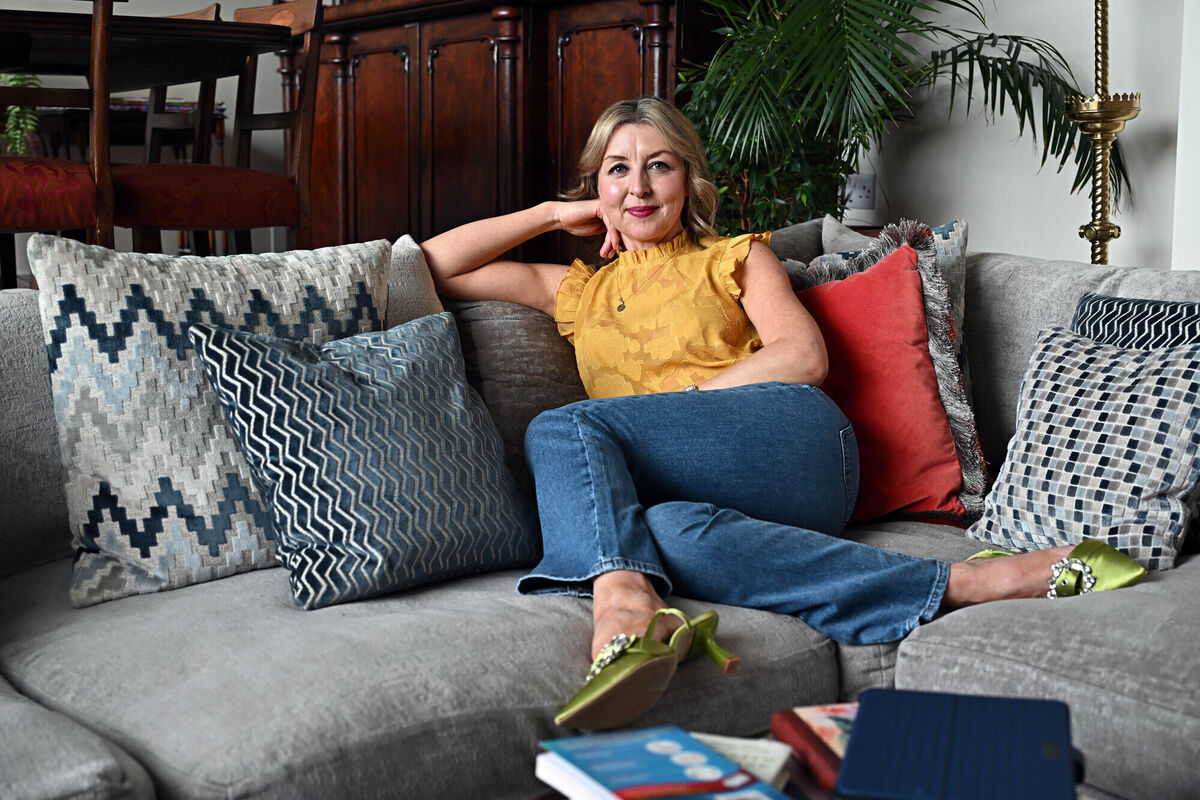
Author Edel Coffey pictured at home in Galway. Photo: Ray Ryan

The story is about Ann, a New Yorker in her late 30s who finds herself down on her luck. 

When her mother becomes sick, Ann’s two sisters, both married with children and their own high-flying careers, delegate the task of caring for their mother to Ann because... well, Ann doesn’t have a proper career or a husband or children.

As a single person with no dependents, her time is deemed less valuable than theirs.

“It was the age-old custom that an unmarried sister — having no life of her own — would lend a hand.” So wrote Lyndall Gordon of George Eliot in her book, Outsiders

And yet, we are not talking about Victorian women here but contemporary women. While Ann’s sisters maintain the power structures of their own mini-corporations, their families, along with their careers and plump earnings, Ann loses control of her life under the pressures of caring for her mother full-time. 

Her income drops, she is eventually forced to stop working altogether and finally she moves in with her mother, back to her childhood home.

By the time her mother dies, Ann is left with no financial resources, is emotionally and physically drained and completely isolated. 

When she looks around at her sisters and her peers, she sees a group of women who married early, enjoyed the support of a partner in developing their burgeoning careers, pooled resources with increasingly-wealthy spouses and bought property. 

Ann meanwhile is in the same position she was in as a teenager. She starts to wonder if she’s made a mistake in sacrificing a grown-up profession in favour of an unstable career as a writer, in shunning marriage in favour of her own independence. 

And that’s when she meets Justin, and a plan forms...

'THE MARRIAGE PREMIUM'

In Her Place is a thriller at heart but it’s one based around the unfair reality of the ‘marriage premium’, the basic economic fact that whether we like it or not, marriage bestows an economic bonus on those who partake in it, a dividend that manifests in multiple areas of a married person’s life. That’s the part that really grates. 

So much of the privilege that marriage bestows is unearned. The advantages it brings are based on the accident of being in the right place at the right time for lightning to strike (if you want to be romantic about it). It’s hardly an achievement. 

Married men benefit from it just as much as married women, and are statistically more likely to be promoted.

Being married confers status whether we like it or not. Marriage is a private club with lots of perks. Often we don’t realise this until we actually experience, or indeed lose, these perks. 

One divorcée told me that she would never have left her unhappy marriage had she known how difficult life was going to be for her as a single woman in her 30s. 

Another very successful single woman in her 40s told me that in her personal life, she felt on the outside of an exclusive club, one that she couldn’t buy membership to. No wonder the term, ‘smug married’, was coined.

We have heard a lot over the past decades about marriage being on the decline but actually, in Ireland, there were 23,173 marriages in 2022, which exceeded pre-pandemic 2019 figures by 14%. 

Much of the decline in marriages in America is related to, you guessed it, money. One of the conditions of getting married in America now is being able to afford to. 

Twice as many middle-class American people get married as working-class American people, which adds a double status bump to the institution as, insidiously, being married now also signifies having enough wealth and privilege to do so.

To be clear, this is not a defence of the institution of marriage. Nor is it a love letter to traditional roles. I am not a fan of those. I find the current TradWife trend abhorrent. It’s not an independent way to live and you only have to cast your eye back to 1960s America and Betty Friedan’s The Feminine Mystique to remember the misery and depression this way of life caused many women. 

I am however curious about the disparity that stubbornly exists between how we view married women and single women after a certain age, and the unearned, concealed advantages that being married confers. 

With In Her Place, I wanted to imagine a story where a woman belatedly discovers these privileges and perks that she has lost out on by opting out of marriage and a lucrative career in a capitalist world.

Once she discovers and begins to enjoy these perks, I wondered how far she might go to keep them.

  • In Her Place by Edel Coffey is out now, published by Sphere, €16.99

More in this section

Lifestyle

Newsletter

The best food, health, entertainment and lifestyle content from the Irish Examiner, direct to your inbox.

Cookie Policy Privacy Policy Brand Safety FAQ Help Contact Us Terms and Conditions

© Examiner Echo Group Limited