Who was your mother before you knew her, back before she had children?
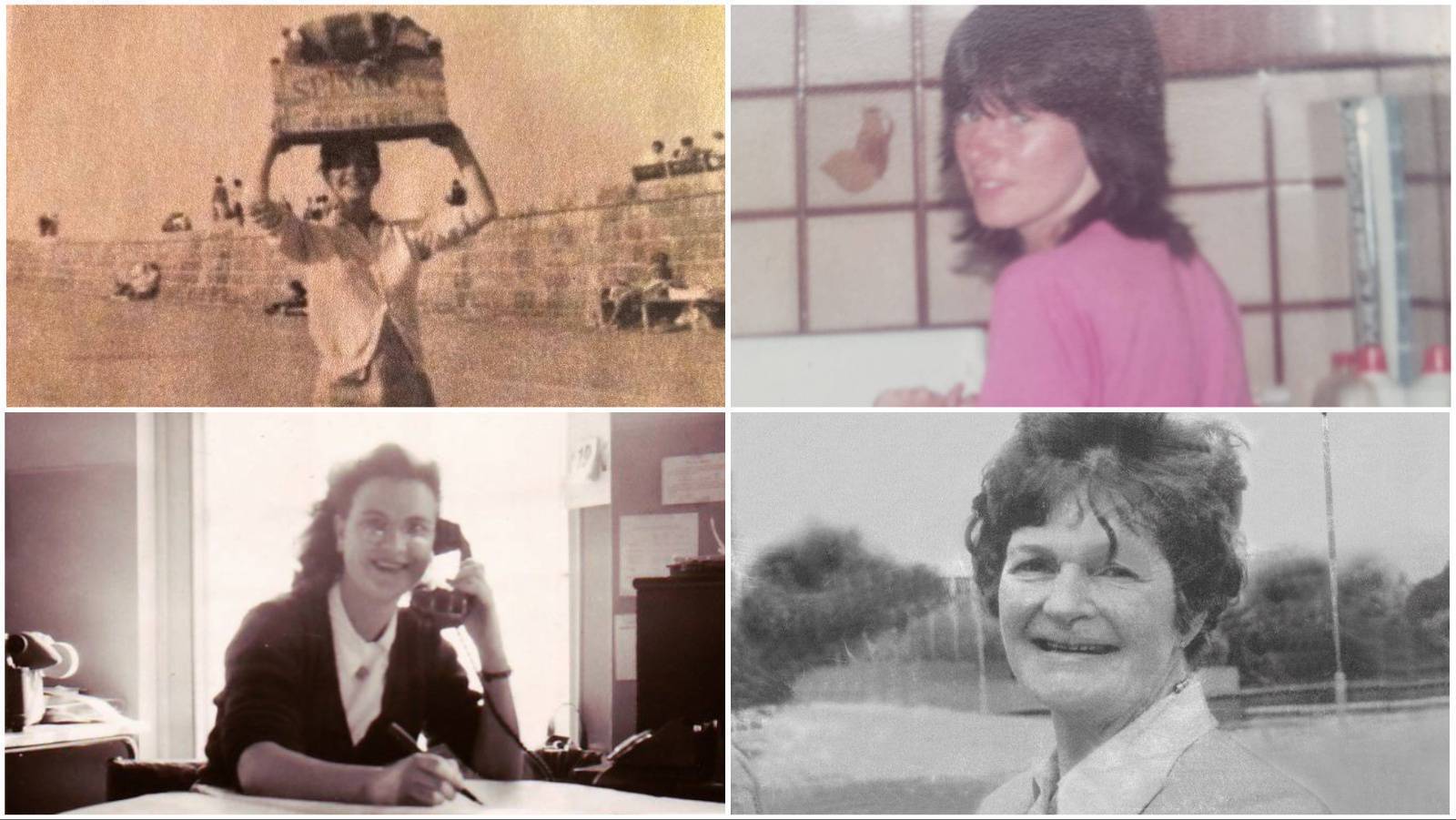
With Mother’s Day in mind, we asked four writers to share their memories and musings, of old stories told by their mothers and of their own reflections when considering photos of their mothers taken in younger days.
Sheila/Patricia

Sheila O’Flanagan’s mum, Patricia, passed away last May.
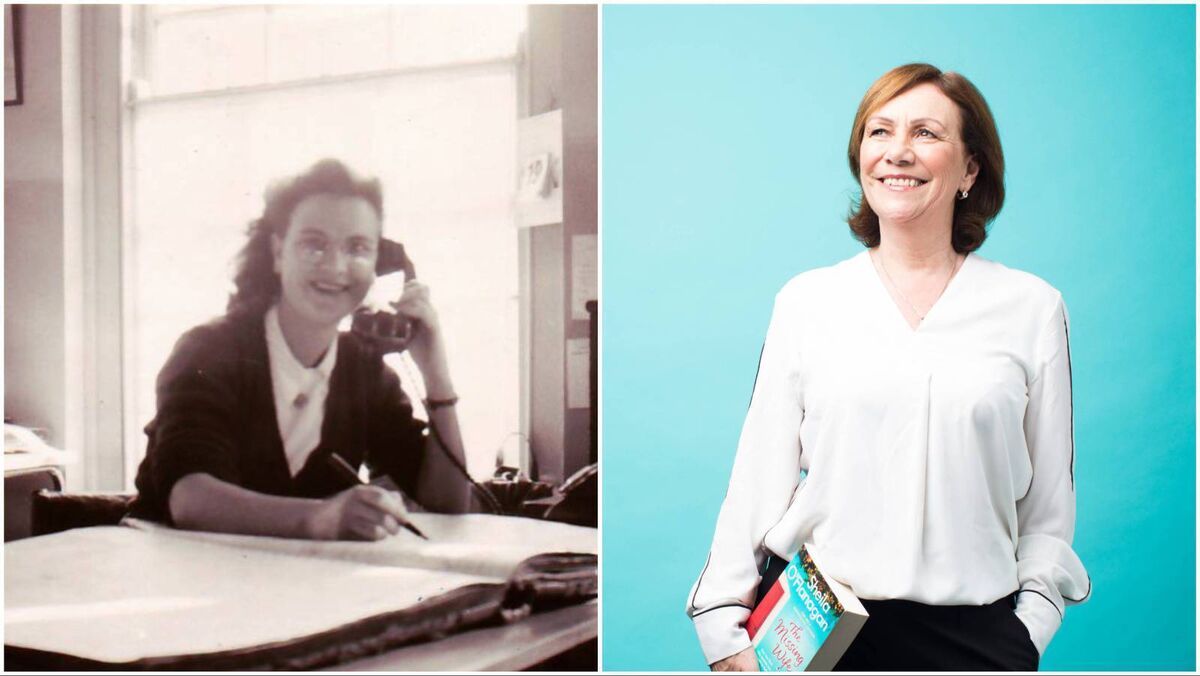
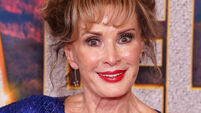
“My mother loved this photo. We all did. She worked in the reservations department at Red Island Holiday Camp and here she is in her office with this enormous ledger, the phone to her ear and a pen in her hand. It’s a posed photo but she looks like someone who knows what she’s at.
“I know she was very happy in her job and you can see the enjoyment shining out of her and just a general feeling of happiness about her. She looks really young in it; she was in her early 20s. And she does look carefree, very much so. She could be any young girl now, happy in her work but knowing she’s going out later on.
“I don’t recall when I first saw the photo but I remember an early time of seeing it. Back then I was just shocked that she looked so pretty. We think of our parents as having started life when we were born. We forget about the rest.
“I know my mother was very outgoing and social, that she went out a lot to dinner dances and music events, but that’s not how I knew her as a child. It takes a bit of a mental shift, to think of somebody you always regarded as an authority figure just going out and having a good time. It makes you think of somebody as a person, not just your mother.
“For me, what’s striking about this photo is that it encapsulates somebody who was in the right place in her life and looking forward to her life. When I look at it now, I feel very nostalgic for her and for the life that she had.”
- Sheila O’Flanagan’s last book, The Woman on the Bridge, is based on her grandmother’s life during the Civil War; her new book, The Honeymoon Affair, is out in May 2024
Laura/Margaret

As a child, Laura de Barra loved looking at photos from her mother’s younger days.
“She was very creative and artistic and always had a flair. I loved her clothes and her style. Even in a group of people in a photo, there was always something unique about the way she dressed, or a bit of styling.”
What Laura didn’t know until recently was how much her mother, Margaret, loved to travel.
“She actually travelled a lot but she’s afraid of flying, so I guess I just assumed she hadn’t taken that many trips. Yet she had been to Paris and around Europe. I hadn’t realised she had that much of a travel bug.
“We didn’t get to see the adventurous part of our mum when she was raising us — and she was raising us in the 1980s when there was an economic crisis, so there wasn’t a lot you could do. We wouldn’t have seen that side of her — “let’s up and go on a rail trip to Europe”.
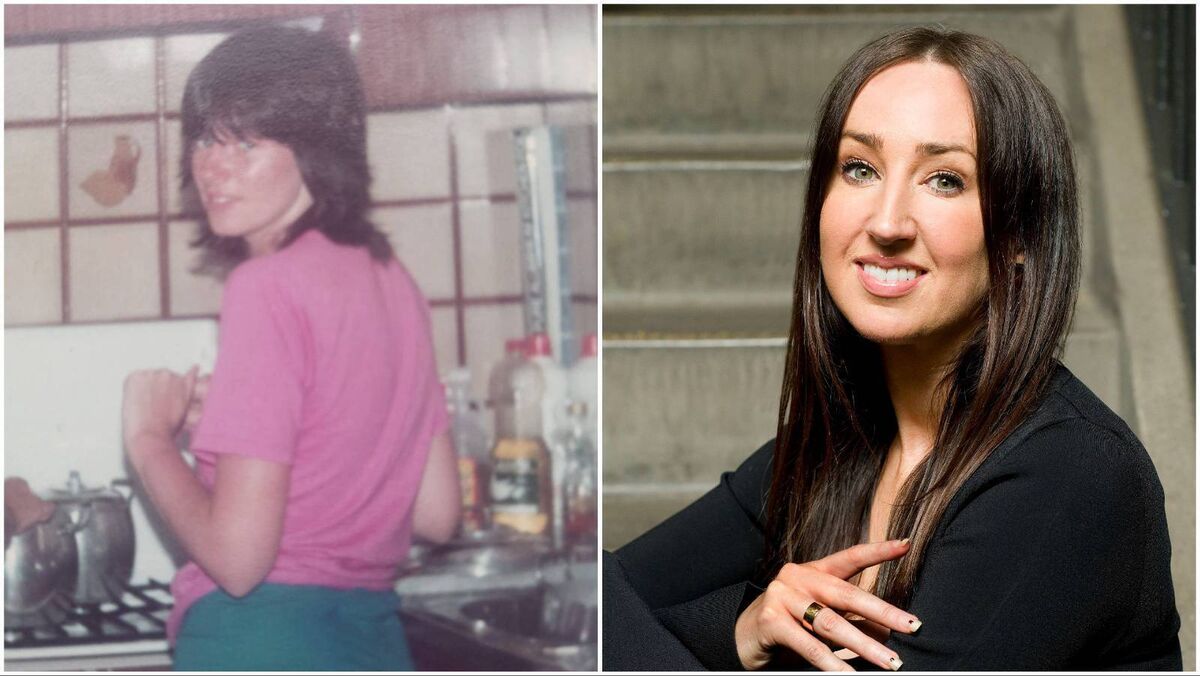
“In this photo, she’s in a kitchen in Ibiza. It’s from her last holiday before starting to have children. She and my dad went with friends — they went as two couples. It was only her second ever flight. All her other travel had been by hitchhiking, bus, rail. She is sun-kissed, wearing summery clothes. She’s so young, 24. She had booked this holiday as a last hurrah before starting to try for children. Did she know that in the next eight years, she would have four kids? It’s so sweet to see someone so young with that ahead of her.
“She seems so carefree and excited on this holiday and yet she was just about to embark on something she really wanted to do: become a mother, something she was really good at as well.”
- Garment Goddess, Laura de Barra, published by Gill Books, €19.99, is out now.
Roisin/Rose

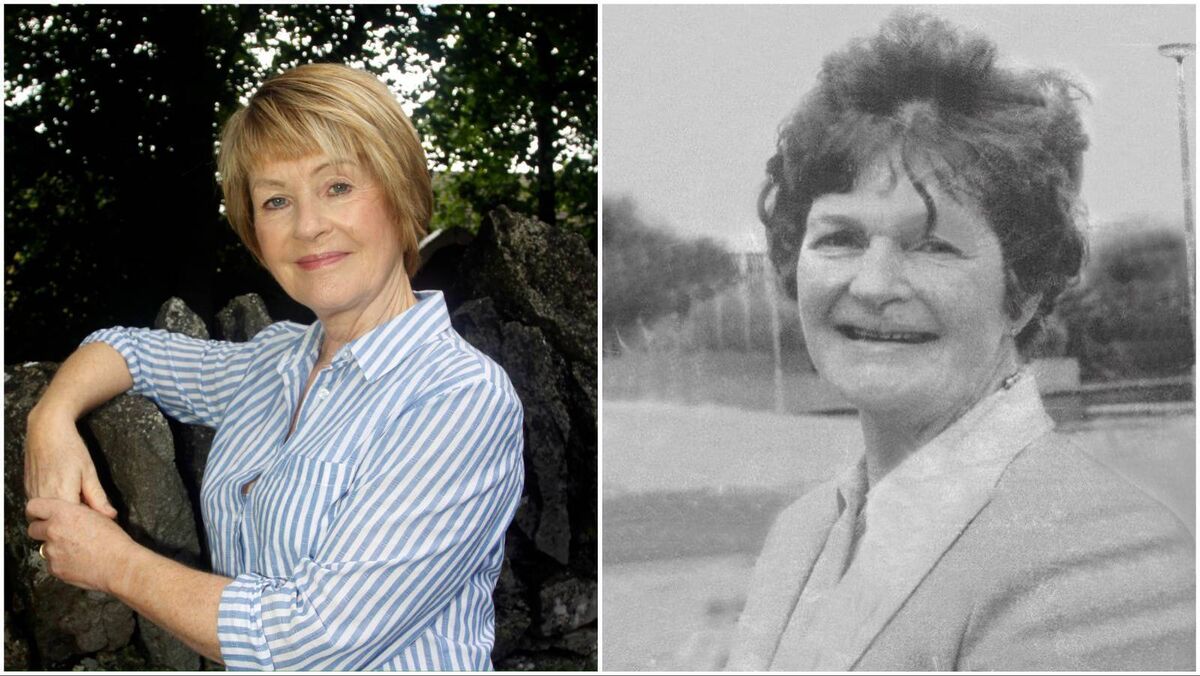
R oisin Meaney’s mum, Rose, was one of seven children born to the local butcher in a Co Clare village in the late 1920s. Her dream of becoming a teacher brought her to Mary Immaculate Training College in Limerick.
“I get the impression she was full of fun at that age, lively and chatty and always on for the craic. In those days all the students lived in the college and were only allowed out one afternoon a week to travel the short distance into the city centre. Mam remembers putting on lipstick with her friends at the college gates before making their way downtown.
“When she graduated from college she’d put on quite a bit of weight. She was small, like me, so the extra pounds had nowhere to hide. She read somewhere that walking was a great way to get back in shape, so she put on her walking shoes and set off, and started what became a lifetime habit.
“She was pretty and popular with the boys — Dad wasn’t her first boyfriend. They met at a dance in Kildysart Hall. She married when she was 27. Dad was 29. Mam [had] taught in different schools, her first job, in a rural school in Co Offaly, her last, in the local primary school in Kildysart. She had to give up her job because of the marriage ban. Within a year of marriage, her children started arriving. We soon put a stop to her gallop.
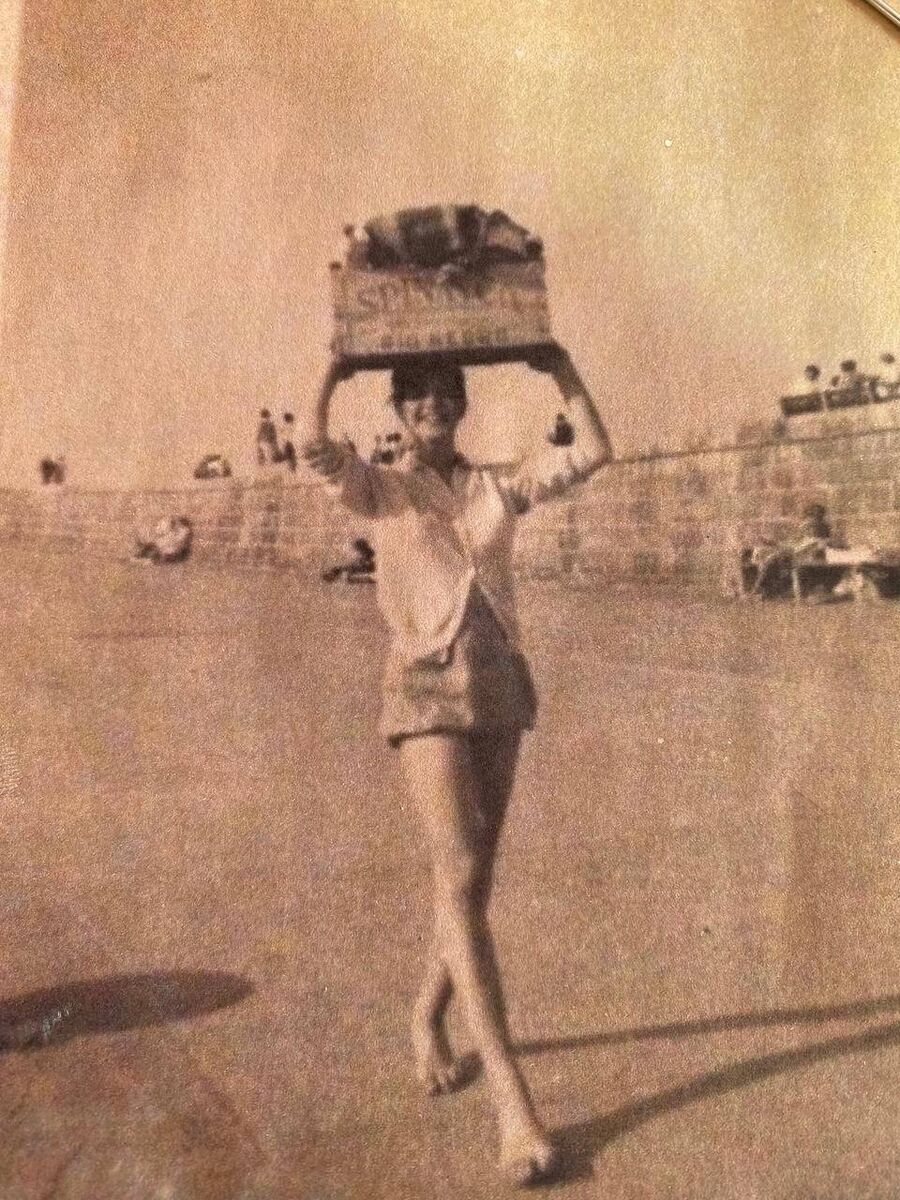
“When I look at this snap, I see an optimist. Her glass was always half full, even in the toughest times, and it remains so to this day. She was always a strong person, determined and hardworking and not afraid to speak up for herself. At 95, she’s still a force to be reckoned with, and the one whose advice I’ve learnt to trust and value. She was and is an inspiration and a role model. Happy Mother’s Day, Mam.”
- Roisin Meaney, author of 21 novels, is working on her next book, due to be published in spring 2025.
Emily/Pat

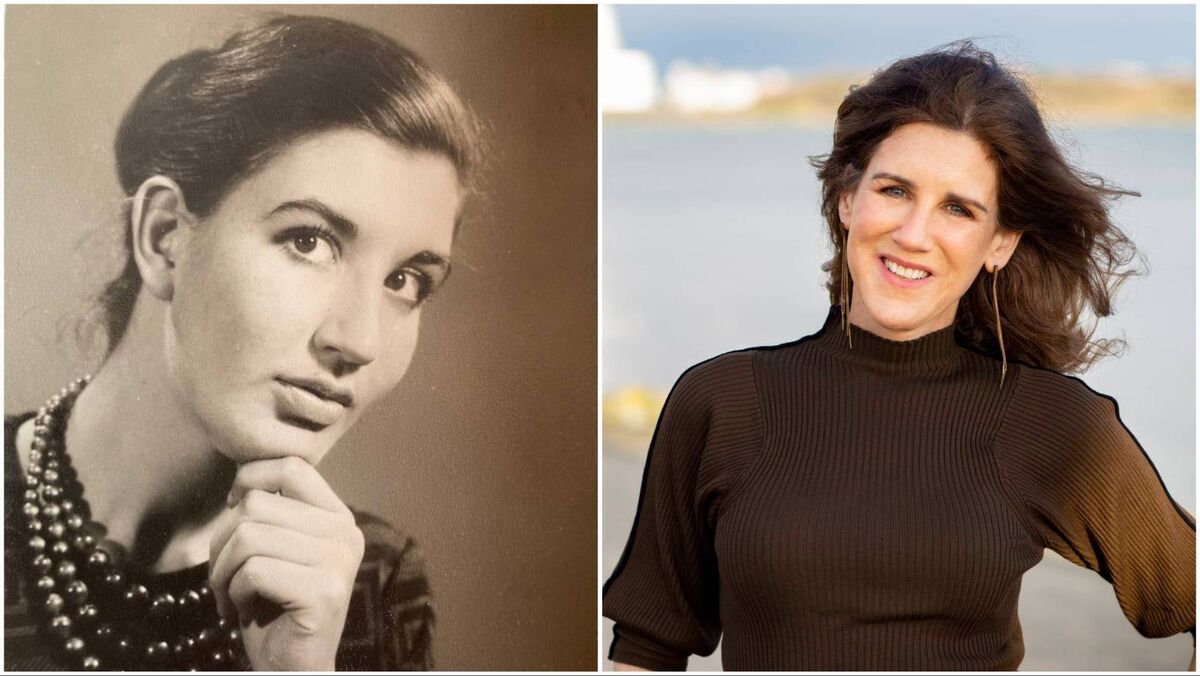
Emily Hourican and her siblings grew up on stories from their mother’s childhood, very dramatic stories because, as a child, Pat lived in Kenya, Uganda, Tanzania and the Belgian Congo.
“She was born in Jerusalem, and left in 1947 when it became Israel, after which she and her small family, a compact unit of four, two adults, two children, moved around East Africa.
“Her stories include changing the punctured tyre on a jeep in the dark of a deserted road with the low growl of lions nearby; a snake that she still insists was over 100m long; a pet rabbit eaten alive by driver ants; avocados the size of her head from a tree in the garden; a deadly scorpion in her shoe; nights in isolated houses with the constant sound of hyenas outside the windows.
“But mostly, when you see through the dramatics, the stories are of resilience — what I didn’t understand when I was small and dazzled by all the wild animals and adventures. They are stories of a lonely girl who moved every time she made friends, who had no community beyond her small family, who turned to reading to get through, tales by Dickens and Arthur Conan Doyle of foggy, damp London, devoured in the heat of Nairobi and Dar es Salaam.

“The thread through all the stories is how isolated she was, and how difficult the personality of her father — who she adored — so that the small family unit wasn’t always a safe or harmonious one. Of how intelligent and fierce she learned to be, proving herself time and again in fraught situations, but also how affected by the need for constant vigilance.
“This upbringing gave her enormous strength of character and great kindness to anyone she sees in trouble or unhappy, as well as generosity and a magnificent impatience with smallness of mind. [It also gave her] a bad attitude towards ‘authority’, which she often equates with bullying, and a total inability to put up with anything she doesn’t like.
“I always think she has a mind shaped by the huge landscape she grew up in, the vast stretch of sky and open plains they drove through on their many moves. The movement of the herds of zebra and wildebeest she and her brother scarcely bothered looking at, so used were they to this vanished spectacle. She grew to cope with things on a large scale; drama, crises, great joy, intense wonder and love. The everyday has been harder for her, requiring different sorts of resources, ones that weren’t honed by her childhood.
“But she has always been herself. The person my mother was before she had her six children is very much the person she remained afterwards. Not given to pretending or brushing things under carpets. Growing up with the freedom to say things the way we saw them, no matter what that might be, was, I realise now, a gift and not a given.”
- Emily Hourican is author of the Guinness Girls series of novels. Her latest, An Invitation to The Kennedys is out now
CONNECT WITH US TODAY
Be the first to know the latest news and updates