'I'm a queer, drag queen, GAA player. I came out of the closet in Irish long before I did in English'
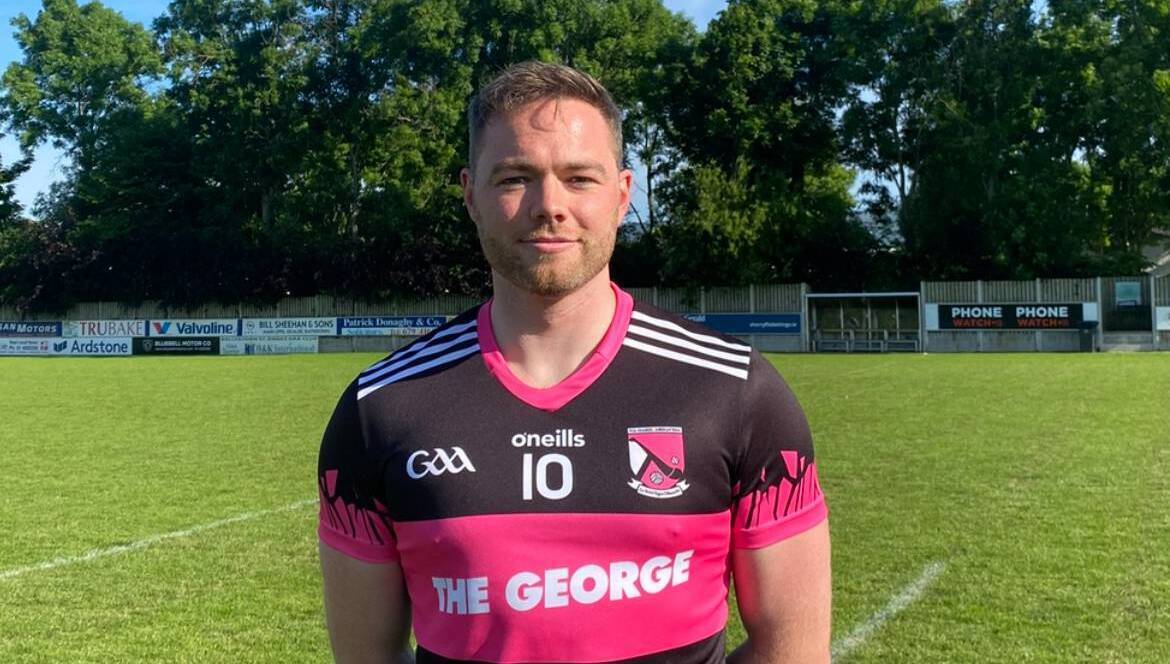
Cian Ó Gríofa plays football with Ireland’s first LTBTQ+ GAA club, Na Gaeil Aeracha
What springs to mind when someone mentions Gaeilge? Does the mere utterance of a cúpla focal bring you immediately back to school-day struggles with the Módh Coinníollach or evoke memories of being bored by Peig Sayers telling tales of hardship on the Blasket Islands?
If so, it’s time to open your ears and to start listening to contemporary speakers of our native tongue. Far from being a language that’s languishing in the past, it’s brimming with exciting voices that are challenging our perceptions of Gaeilge and what it can mean to us in the Ireland of today.
With Seachtain na Gaeilge kicking off this Friday, March 1, we’d like to introduce you to three of those voices.
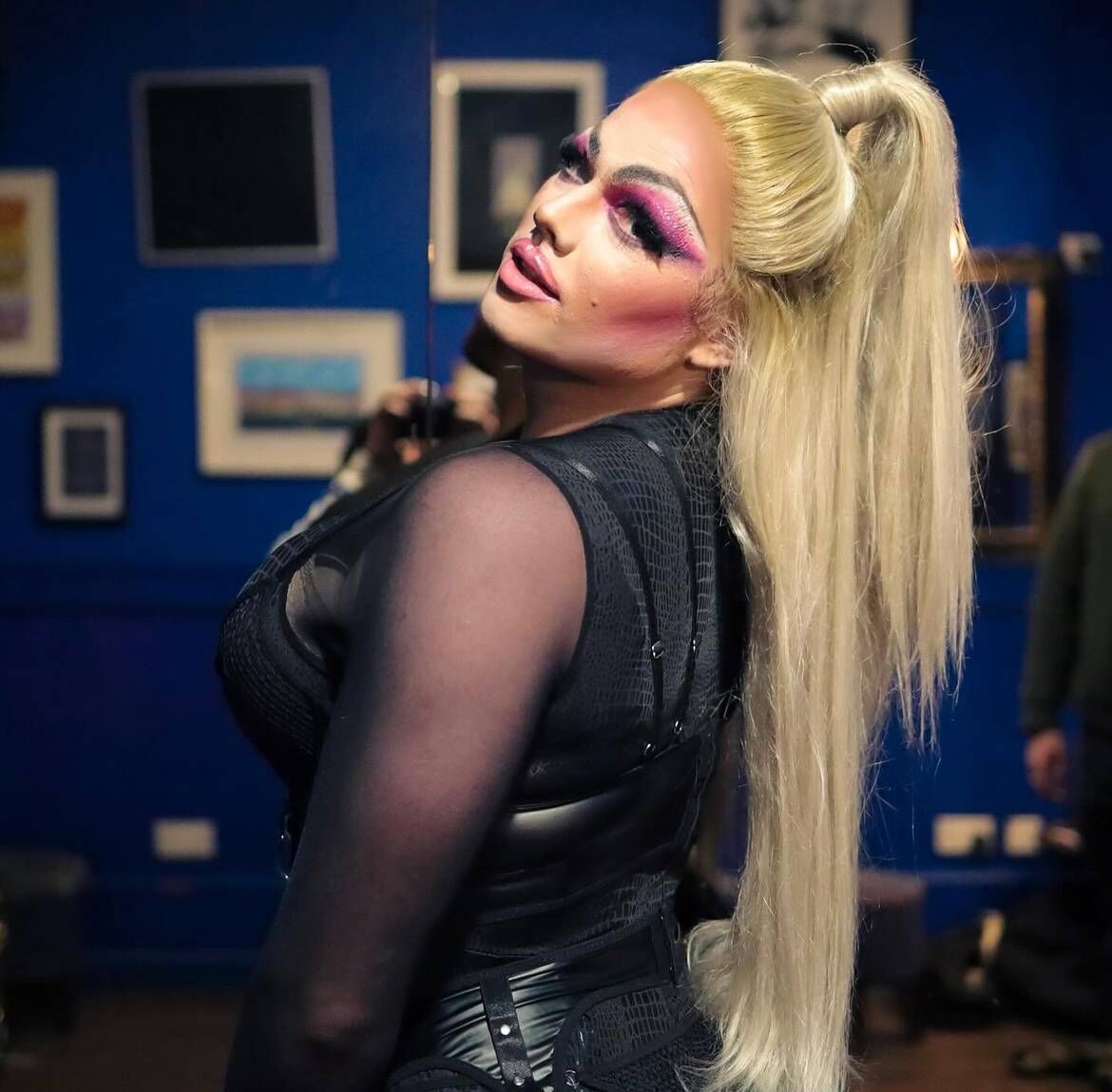
28-year-old Cian Ó Gríofa is a marketing professional from Wicklow who is also known by his flamboyant online alter ego @gaylgeoiri.
Ó Gríofa is queer. He’s a drag queen. He plays football with Ireland’s first LGBTQ+ GAA club, Na Gaeil Aeracha. And he doesn’t think he’d be who he is today were it not for Gaeilge.
It was spending time in the Connemara Gaeltacht as a teen that woke him up to the vitality of the language.
“I was suddenly immersed in it,” he says. “The history and culture were all around me. There were even toddlers speaking Irish! I realised it was far more than a school subject: it was a living thing.”
This experience inspired him to study the language at university and to host a show on the Irish language radio station, Raidió Rí Rá.
This deep-dive into the Irish-speaking world gave Ó Gríofa an unexpected sense of freedom.
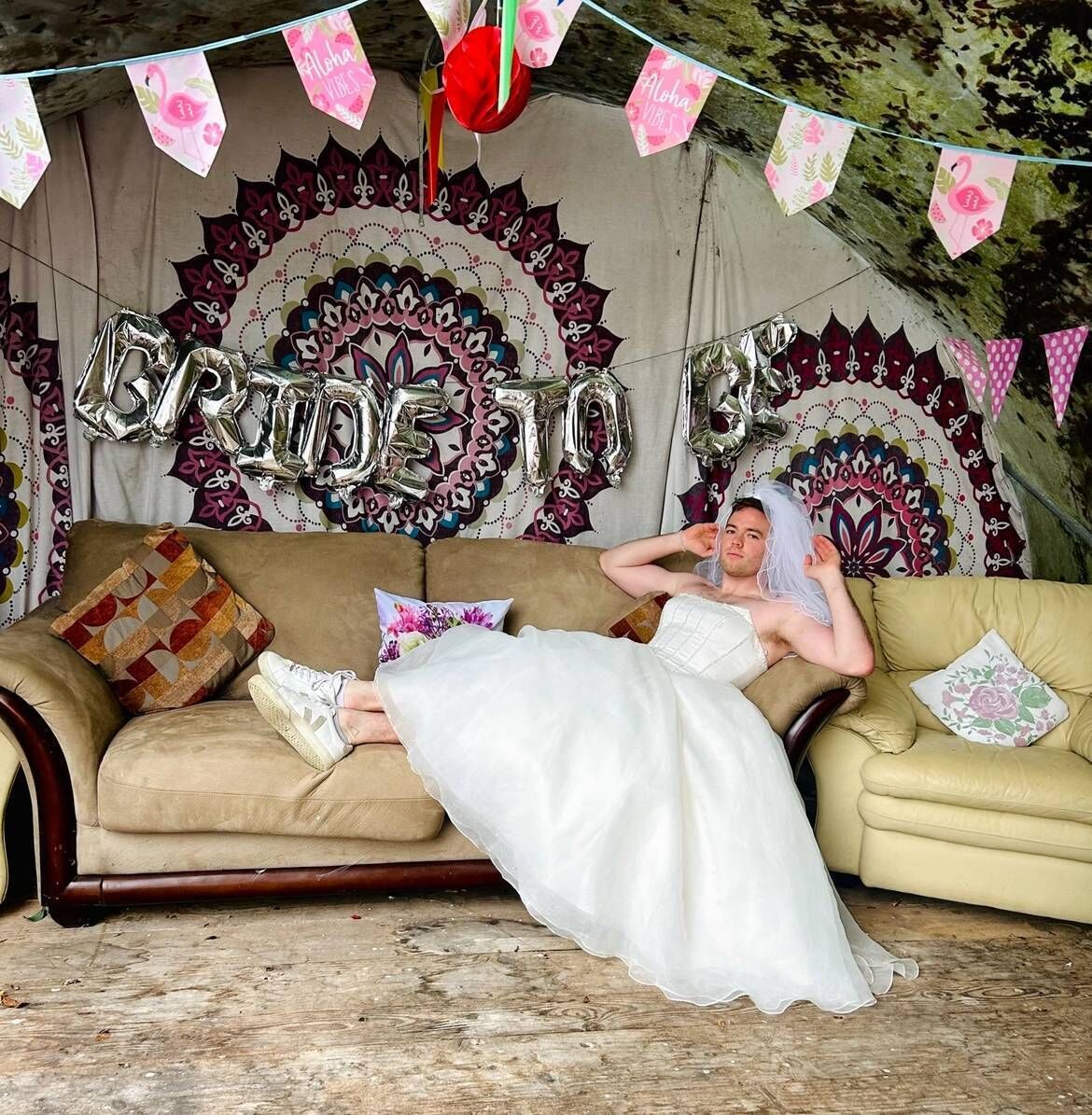
“None of my family or friends spoke Irish, so they didn’t listen to the show or follow my Instagram page,” he says. “This gave me the opportunity to explore my sexuality in an open way. As a result, I came out of the closet in Irish long before I did in English.”
While some still associate Irish with fuddy-duddy conservatism, Ó Gríofa argues that it’s the exact opposite. “The language has been a safe space for me, giving me the courage to live life the way I want to live it. Maybe it’s because Irish speakers are a marginalised community, but I find them to be more aware of and sympathetic towards all forms of discrimination.”
It bores Ó Gríofa to hear the likes of Ivan Yates dismissing Irish as a dead language on The Six O’Clock Show. “That’s a tired old argument,” he sighs. “There’s such a vibrant community out there and with the likes of Kneecap (the rappers who recently won an award at the Sundance Film Festival), podcasts such as Beo Ar Éigean and shows on Raidió Rí Rá and Raidió na Life, it’s never been so easy or so exciting to be part of it.”
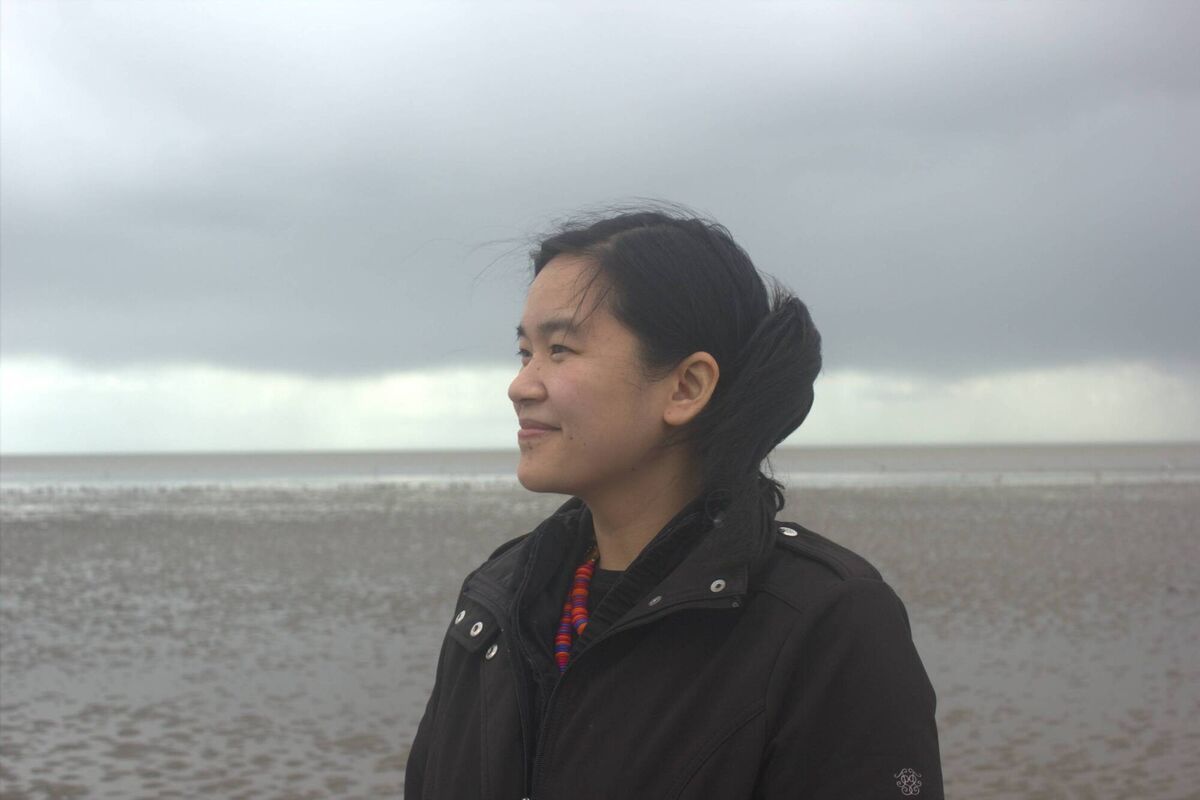
Úna-Minh Kavanagh is a 33-year-old living in Dublin who speaks Irish every day. Born in Vietnam and adopted by an Irish mother, she has done this from her childhood days growing in in a bilingual household with her mum and grandfather in Tralee.
“Grandad was a native speaker from west Kerry, and we’d often visit the Gaeltacht,” she says.
These days, Kavanagh tries to give others the positive experience of the language that she had. In the process, she has developed an online reputation as a go-to person for anyone who wants help learning Irish. She has compiled DIY Gaeilge, Parts One and Two, which are two e-books of resources for learners, and created an online forum called Craic le Gaeilge at www.discord.com/invite/craiclegaeilge.
“I noticed there wasn’t a good space for Irish language folks online that wasn’t affiliated with a company or a group, a casual space where people could connect through Irish, so I set one up,” she says.
“It’s now got over 1,600 members from all over the world and aside from giving people the opportunity to chat through Irish, we also answer people’s questions and guide them towards any resources they might need.”
Perhaps more unexpectedly, Kavanagh has tried to usher Irish into the modern age by introducing it to gamers. As a keen gamer and live streamer herself (check her out as yunitex on Twitch), she was disappointed not to find computer games in Irish. True to form, she decided to do something about it.
“I don’t wait for things to happen,” she says. “I want to get things done. So I worked with a team to make official translations for three video games: Among Us, VVVVVV and one that’s yet to be announced. The reaction to these has been a joy to behold.”
Kavanagh sees her bilingualism as a major advantage in her life. “I can use my Irish just as I do my English, as something that’s natural and evolving and wonderfully expressive. I want others to have that too, which is why I do my best to support them in their language journeys.”
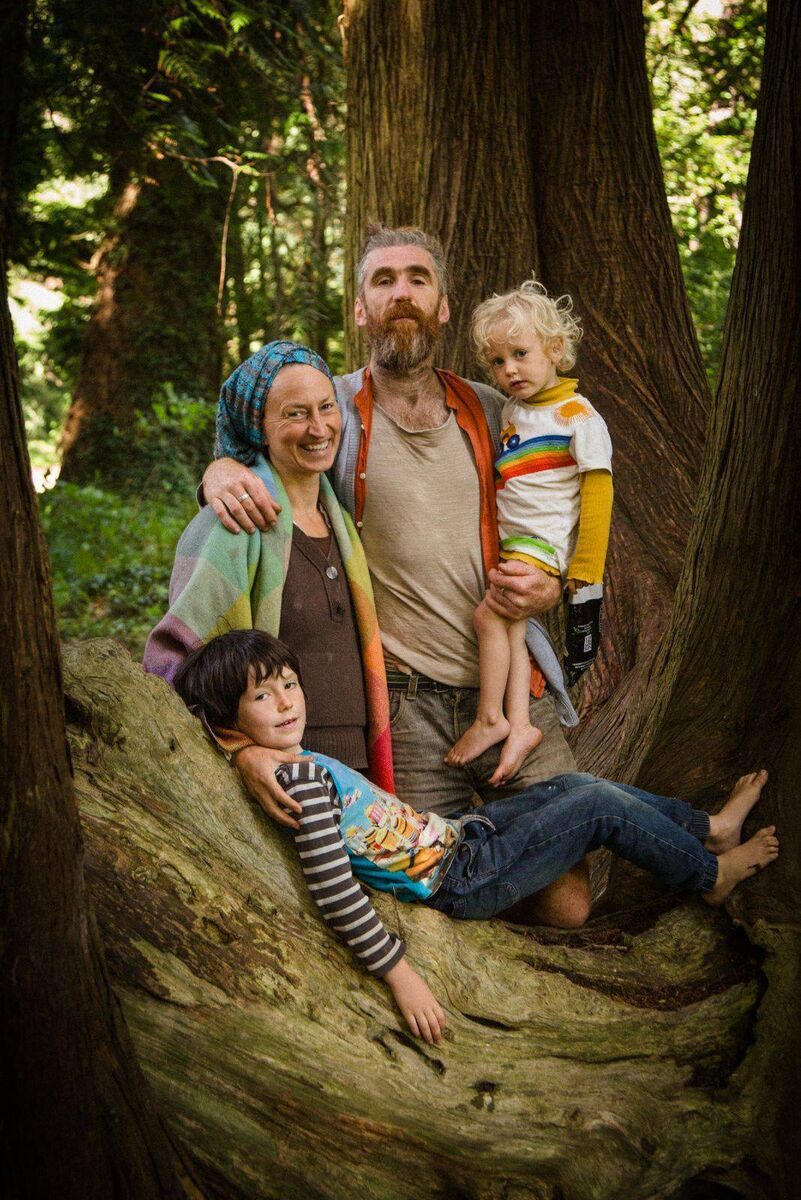
Siobhán de Paor is a creative tutor and performance poet. Now 41 and passionate about Irish language revival, she admits she once had very little grá for Gaeilge.
“I grew up near the Waterford Gaeltacht and attended a Gaelscoil as a child, which meant I was fluent in Irish,” she says. “But I didn’t think it did me any good. I was resentful that I was fluent in a useless language.” A move to Dingle in 2015 led to a shift in mindset. “There was one particular moment,” de Paor remembers.
“It was the night of the summer solstice and people were playing music and chatting in Irish around a campfire. All of a sudden it hit me: there was an off-the-charts level of beauty to being there in that landscape, and hearing the language being spoken kicked it up another octave.”
Things intensified further when she met her now partner, the former Wexford hurler Diarmuid Lyng. “We were in similar places in our journeys,” she says. “We were reconnecting with Irish and feeling so inspired by Corca Dhuibhne (the Dingle Peninsula) and the effect it had on us. It was exciting to be courting each other in Irish too. It felt ancient and pure.”
They wanted others to share in their excitement, which is why they set up Wild Irish Retreats.
“We try to create the conditions for people to reclaim their relationship with Irish in a natural setting through creative and experiential learning,” says de Paor.
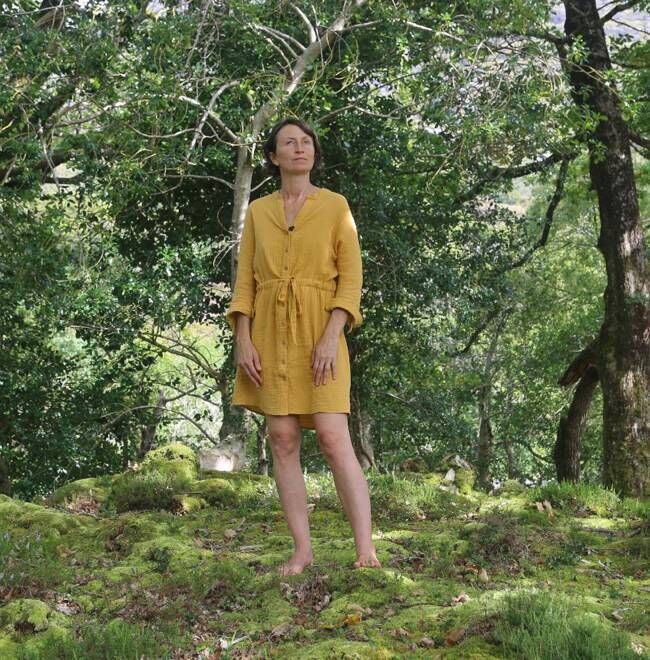
“We spend time outside, foraging, wring poetry, playing hurling and talking Irish.” They were nervous about hosting such retreats at first. “As non-native speakers who don’t have an expert grasp on Irish, who were we to presume we could offer Irish language retreats,” asks de Paor.
That question was answered by the many people who have since attended their retreats. “Our journey back to the language resonated with them,” says de Paor. “Like us, they weren’t raised speaking Irish but wanted to learn it. We became a bridge for them to do that.”
De Paor has strong, almost mystical, beliefs about the role Irish can play in modern-day Ireland. “I see it as the medium for our national psyche,” she says. “We have spoken Irish for thousands of years and English for only 170. Our ancestral knowledge is as Gaeilge.”
She feels her life has been enriched by reconnecting with that knowledge and is adamant that all of our lives can be similarly enhanced.
“It doesn’t have to be all or nothing,” she says. “We are and will remain an English-speaking nation but if we sprinkle some Irish into our conversations – if we throw in a Dia dhuit or a go raibh maith agat here and there – we can restore some balance to our sense of identity.”


CONNECT WITH US TODAY



Be the first to know the latest news and updates