Diary of a Gen Z Student: 'I was taught periods were shameful, unclean, something to hide'
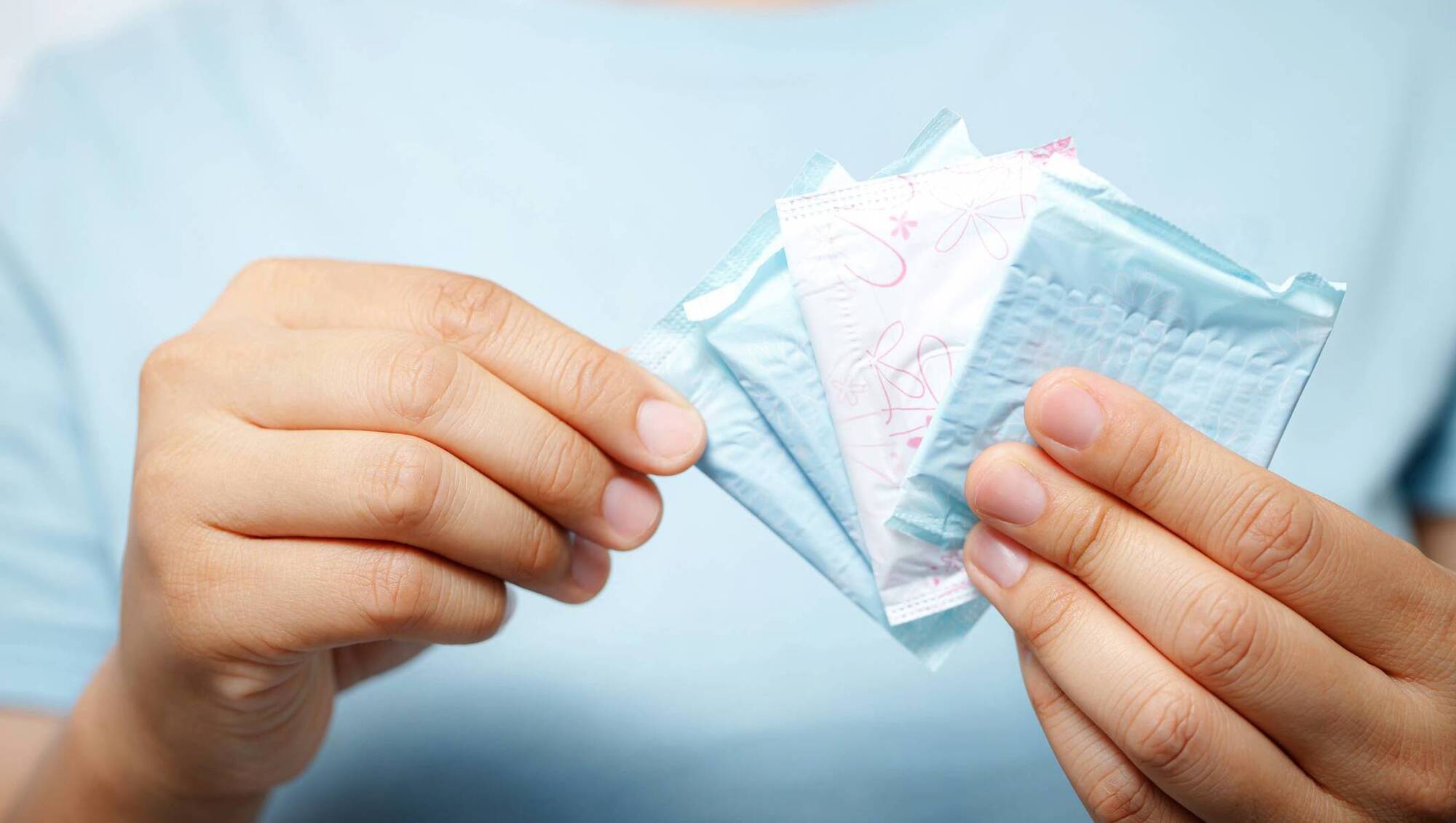
Imagine if periods were celebrated, rather than driven underground.
Diary of a Gen Z Student: 'I was taught periods were shameful, unclean, something to hide'

It was an unspoken rule that we couldn’t mention periods in front of the boys.

I remember a particular instance when my primary school class was separated into two groups. I was in sixth class. Boys in one room, girls in the other. It was the first time we were taught about puberty in school. And that separation really set the tone for what would become an ingrained tendency to avoid talking about our bodies. It sowed the seeds of shame.
At 12 years old, it was a bit late for the school to begin the conversation about puberty. As a girl, I had already gotten the message that periods were not up for open discussion. That message was painfully clear. It was an unspoken rule that we couldn’t mention periods in front of the boys. But we didn’t make this rule independently. We saw the reluctance of our teachers and school, when it came to talking about periods. We noticed that we were taught about periods, only after the boys had left the room. By example, we learnt to keep that aspect of our lives, to ourselves.

Calling any discussion of periods that I received in school “educational” is a stretch. It was mostly elusive descriptions that shied away from potential discomfort. If you were hoping for detailed information, you would be left waiting. Even beyond primary school, it was obvious that the teachers were as uncomfortable as us, on the rare occasion that the topic was approached. 

The room always felt a little tense — that tension meant that important topics were just brushed over. Sure, we were told the biology, but how to use pads or tampons, or what a menstrual cup even is, was omitted completely. When I was in fourth year, I was not even surprised to hear my SPHE teacher describe a period as “a time when blood passes through the female body each month”. Not a particularly illuminating description. 

It was so frustrating. That kind of vagueness, I think, is a major contributor to the shame we have around periods.

I use that word — shame — consciously. When you feel the need to tuck your pad or tampon into your sleeve every time you go to the toilet, or you go to the self-checkout to buy period products, or you pretend to cough so that no one will hear you opening a pad in the bathroom, or you just try to ignore your unusual levels of pain every month, because you don’t know that your doctor will really listen to your concerns, you don’t even know what unusual levels of pain are, because you’ve never been told — you know what shame is.

If you’ve ever been told that “you must be on your period” because you displayed an unwelcome emotion, you come to understand menstruation as a weakness.

I have certainly known that shame. When I was 17, sitting in class, sweating with pain. And I just sat there, because I didn’t want to tell my male teacher that I just needed to go home. I think anyone who menstruates has experienced that feeling. You’d rather just sit with the pain than admit that you’re bleeding. That reticence is not surprising. If you’ve ever been told that “you must be on your period” because you displayed an unwelcome emotion, you come to understand menstruation as a weakness.

Rather than the emotional impact of your fluctuating hormones being met with understanding, it’s something to laugh at. It’s a dismissal of your experience. Eventually, you learn to hide and dismiss your own experience too, to some degree. You’re taught that to menstruate is to be unclean. That to be emotional is to be neurotic. Of course, you hold that shame close to you. You can’t be honest about your period.

And what a pity that is. For half of the population, menstruation is a part of their life, every month for 40 years, give or take. That’s massive. Until we get better at talking periods, that shame will only continue.

Progress has been made, yes. That advertisements for pads and tampons now use red liquid instead of clear water to depict period blood, is progress, only illuminates how much more needs to be done. Because menstruation shouldn’t be embarrassing. It’s so integral to the lived experience of so many. Imagine if periods were celebrated, rather than driven underground.

Maybe that shift could start in school, by teaching kids how to talk about periods, that they’re a gift in many ways. School should be a place that you can walk to the bathroom, and hold a pad or tampon in your hand, without any embarrassment around your body performing a totally healthy function.

More in this section

Lifestyle

Newsletter

Eat better, live well and stay inspired with the Irish Examiner’s food, health, entertainment, travel and lifestyle coverage. Delivered to your inbox every Friday morning.

Cookie Policy Privacy Policy Brand Safety FAQ Help Contact Us Terms and Conditions

© Examiner Echo Group Limited