Bernard O'Shea: My first tattoo... guess where, and what I got inked?
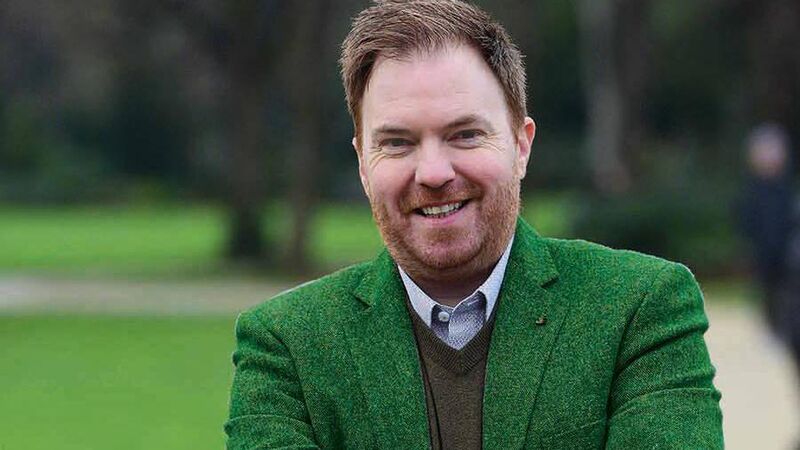
Bernard O'Shea. Photograph Moya Nolan
They say tattoos are the stories we write on our skin. On my bum, I wrote my wife's birthdate, a tale of love and forgetfulness. Call it... ‘literature'.
Although I’ve never forgotten my wife's birthday (no, this isn’t an elaborate apology), I constantly fear forgetting it.
Remembering numbers isn't precisely my secret talent. I know my own, March 25, 1979. However, I did have to call my mother from the motor tax office a few years ago to remind me. Hopefully, I will never be caught out by any scams as my PPSN, PIN code, and even telephone number are a mystery to me.
Some days I'll know them, some days I won't. The date of my wife's birthday has always eluded me. I understand why, too. If I remember a number, it's always catchy or even. My wife's birthday (actually rechecking it as I write) is July 18, or as it was to be etched forever onto my bum, 18.7.
Before you ask, "Bernard, is it that hard to remember a date?" let's dive into some science.
For some people like myself, number recall is genuinely challenging. Our brains house specific regions for recognising faces, but numerals? More straightforward.
Many factors, including the brain's wiring, the importance attached to numbers during developmental years, and individual experiences, play a role in our ability to recall them. So, it's not just me being cheeky with my tattoo; it's my brain being unique (this is my rationale, and I'm sticking to it).
Throughout history, tattooing wasn't merely the whimsical whim of a comedian in search of column fodder. Tattoos have always been more than just superficial marks on the skin; they've been an indelible testament to our beliefs, stories, and identities. While today, one might get inked to commemorate a life event or to express individuality, in ancient times, each tattoo bore a more profound, often communal significance.
With their vast knowledge of the human body and spirit, the Egyptians believed tattoos to have therapeutic properties. It wasn't just about aesthetics.
Often, Egyptian women were adorned with specific symbols to ensure fertility or protection during childbirth. These marks, often resembling the gods and other protective symbols, were placed on the thighs or the lower abdomen, embodying a profound connection between the spiritual and physical realms.
Polynesians, on the other hand, viewed tattoos as a rite of passage. The process was elaborate, sacred, and ceremonial. For them, tattoos were integral to their identity and social standing.
They told stories of ancestry, bravery, and rank. The complexity and intricacy of the designs denoted one's journey, achievements, and status within the community. Not merely decorative, these tattoos were a living record, a testament to one's life journey and experiences.
The Maori of New Zealand tattoos were deeply spiritual, not just about physical appearance. The moko represented one's family and tribal lineage, achievements, and social rank. It was a rite of passage that symbolised the transition from adolescence to adulthood. In essence, tattoos have never been mere drawings on the skin. They are, and have always been, deeply symbolic.
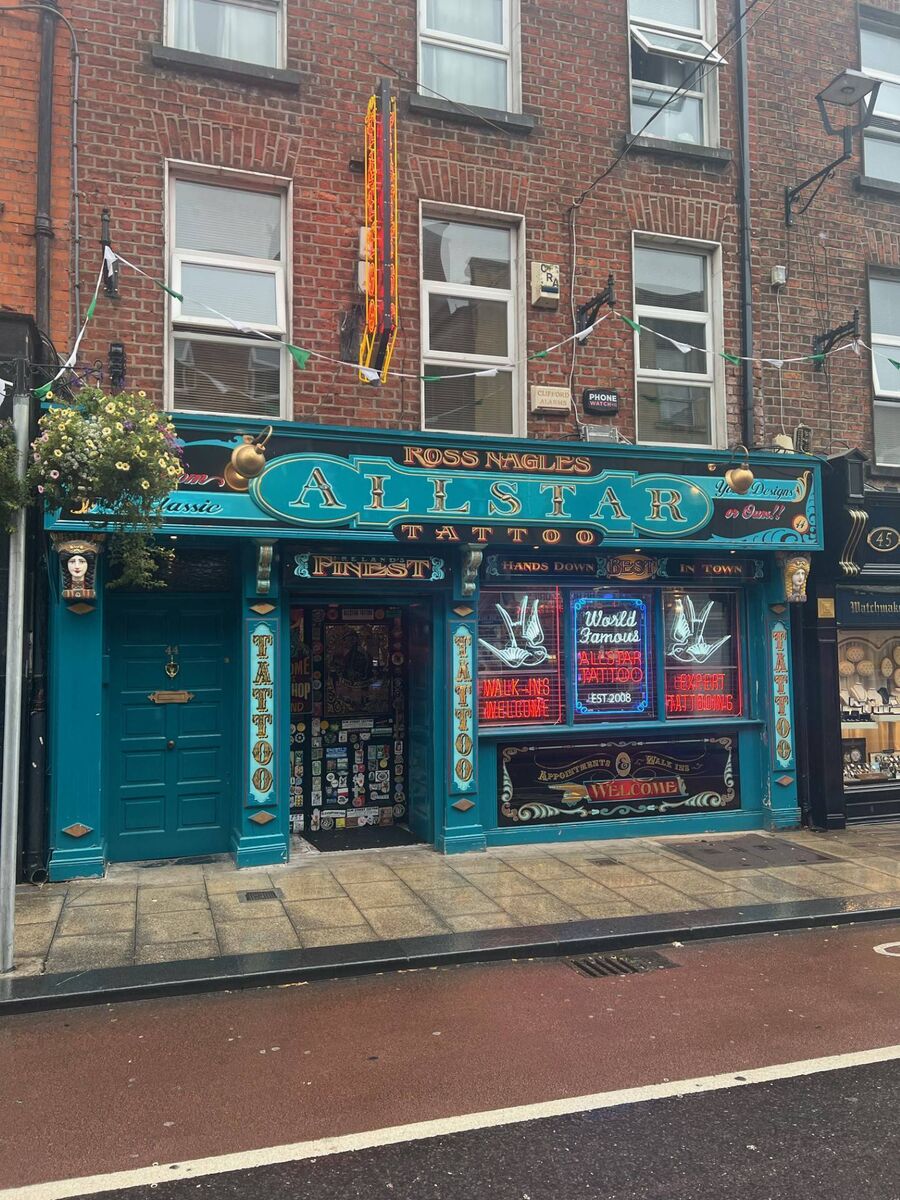
Getting a tattoo for me, even a tiny one, made me grapple with my life-long nemesis: needles. Those pointy fiends were the stuff of nightmares. But my tattoo artist on the day, Charlie from All Star Tattoo in Limerick, comforted me by telling me he was afraid of them, too. He probably isn't, but I'll mentally anchor up in any port during an irrational storm.
The one thing I noticed about the shop located in Wickham Street was how nice and friendly the staff were. An eagle-eyed employee remarked, "Bernard, just letting you know you might want to put a dot between the 18 and the seven as a "187" is slang for murder in the USA. That was a good catch, so I opted for a dot.
Every glance at the '18.7' tattoo on my skin elicits more than just a chuckle about my forgetfulness; it's a poignant emblem of love, a testament to my quirky relationship with numbers, and a nod to the rich lineage of tattoo traditions that date back millennia. So, if you spot it on a sunny beach day, know it's not solely about a man's forgetfulness but a celebration of age-old stories and the timeless art of tattooing.
Now, what's my licence plate number again?


CONNECT WITH US TODAY



Be the first to know the latest news and updates