'A revolution of the heart': How the Irish language is poised to take on a new life
Forget the days of rote learning and awkward exams - a modern revival of spoken Irish is being driven by a desire to make it a living language - foghlaimeóir fásta Mike McGrath-Bryan speaks with some of the people at the heart of a new wave.
'A revolution of the heart': How the Irish language is poised to take on a new life

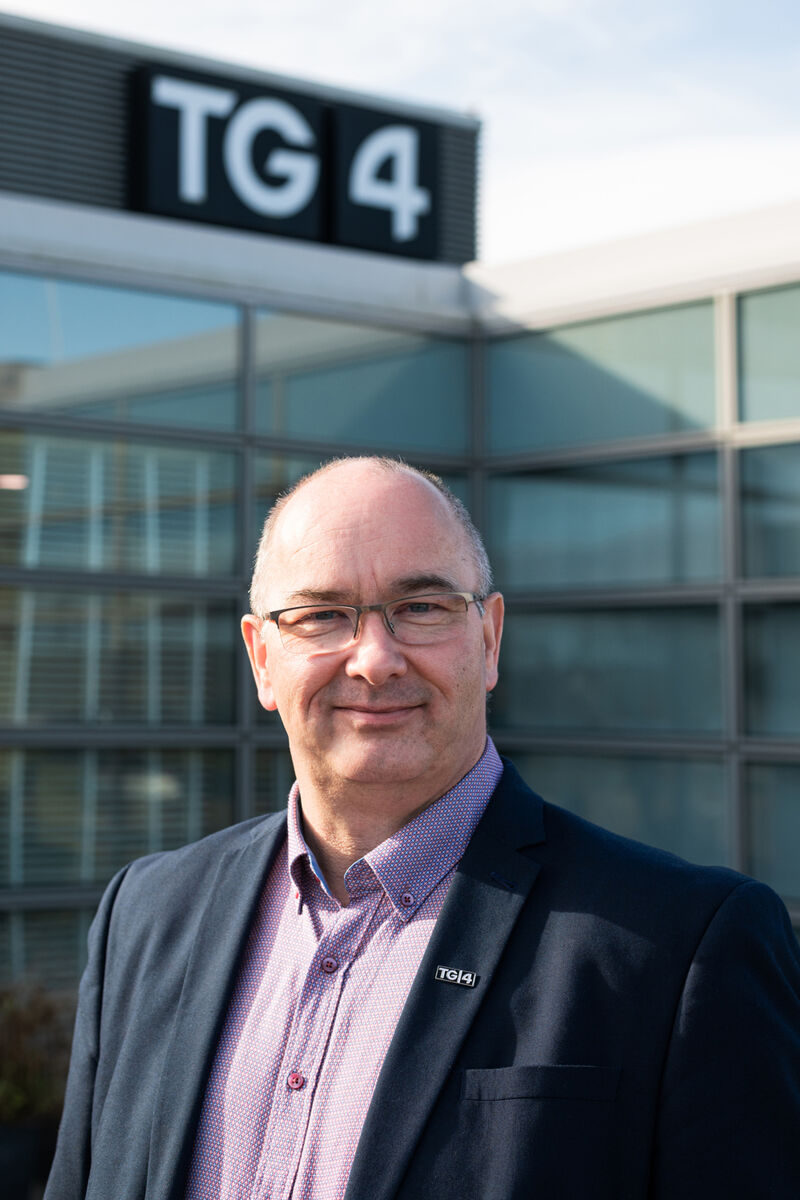
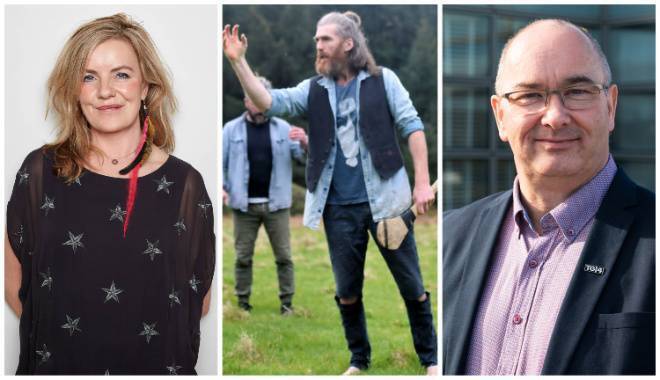
L-R: Kathy Scott, Diarmuid Lyng, Trevor O'Clochairtaigh

'Beatha teanga í a labhairt' — ‘the life of the language is in the speaking’, imparts my Irish teacher, a seanfhocal (an Irish proverb) that reaches me over the tinny sound and near-impressionistic visuals of a Zoom call. 

Looking at the groundswell of grassroots Irish-language arts, culture, and media, in vibrant and vital evidence all over the country, it’s hard to argue against.
Like many of us, my own relationship to ár dteanga féin has waxed and waned with the passage of time, from an early-childhood stint in a Gaelscoil, and a devotion to cartoons on the former TnaG; to intermittent melancholy over lost connections to the language over the years, and an undertaking to start learning the language from scratch, using the cúpla focail Gaeilge in daily life.

Exploring the beauty of the language has been a matter of baby steps: Gael Linn’s weekly online Zoom courses for foghlaimeoirí and feabhasaitheóirí (learners and improvers) have boosted my confidence with vocabulary, while visits to Cork’s Pop Up Gaeltacht nights and taking in the work of broadcasters TG4 and RTÉ Raidió na Gaeltachta, have helped immensely with comprehension and cómhrá (conversation).

According to the 2016 Irish census, the latest for which numbers are available, 39.8% of the Irish population can speak Irish, which is down from 41.4% in 2011. 

Of the 1.7m people who said they could speak the language, only 73,803 — 1.7% of the population — said they did so daily outside an educational setting — due in part to a more academically-focused curriculum, and a lack of opportunities to develop their skills in social or conversational settings. It hasn’t felt to many, for right or wrong, like a “living language”.

Bíonn mo chuid Gaeilge an-bhriste fós, but I’m gradually working away, amid a cultural moment that’s taken learning the language from an act of reconnection, to the next chapter, a living and breathing entity — representing a break not only from the historic fear of figures like Peig Sayers, or memories of cringeworthy aural-exam tapes, but also with the imperatives and implied mores of Anglophone society.

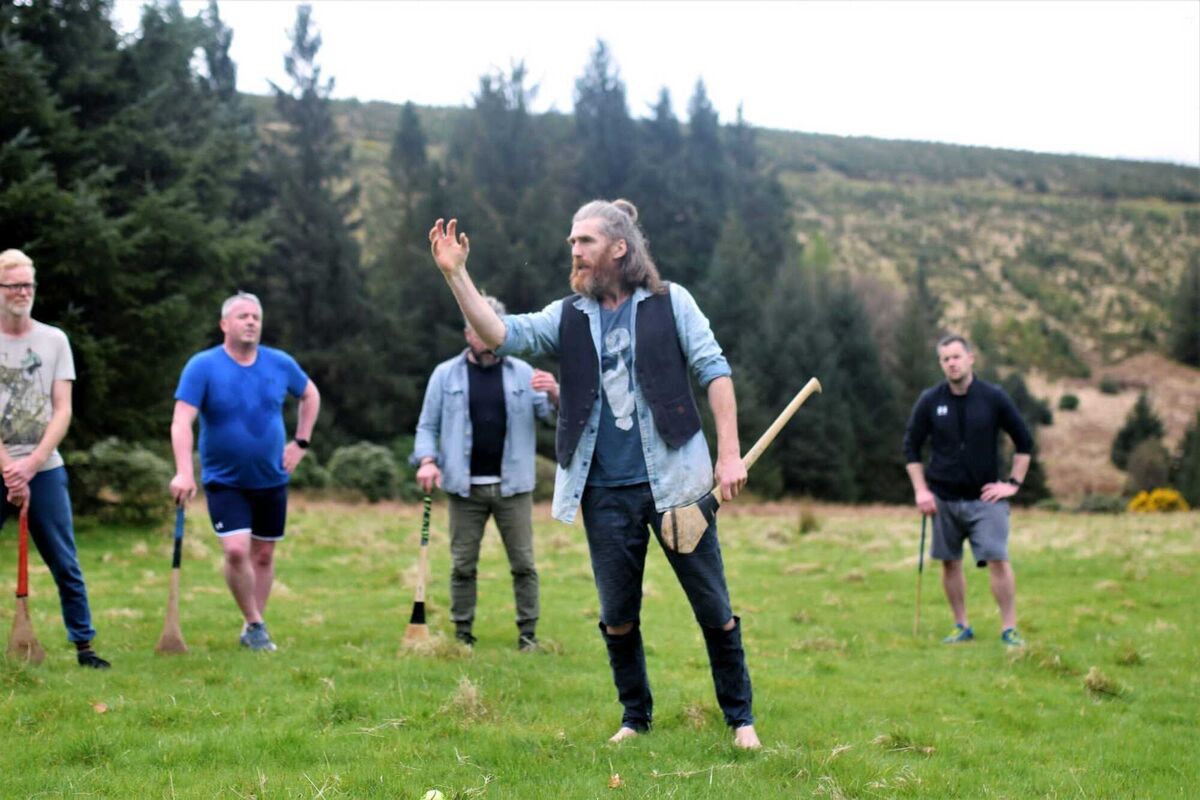
“Observing people going through that experience of reconnection... it’s a privilege to witness that”, says former Wexford hurler Diarmuid Lyng, co-founder of the Wild Irish Retreats in Corca Dhuibne, West Kerry.

“People definitely come in with a desire to change, and maybe they’re not as inclined to use the English language to remedy something — their use of English has possibly created that problem. They’re now moving more towards the Irish language to create new synapses in the brain, to reshape themselves in relation to their own language. It’s the combination of old cultural wisdom with new scientific understandings of what impact language has on the mind, on the person.”

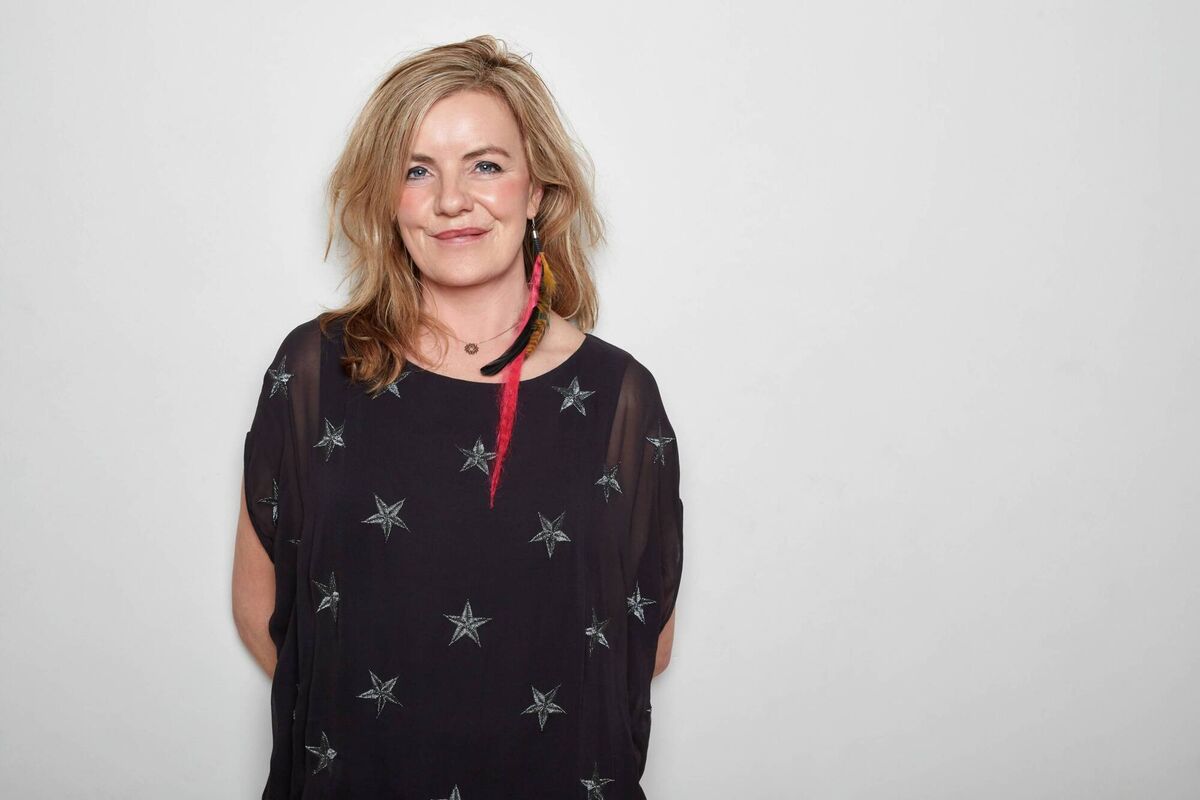
 Kathy Scott: "It’s all to play for, to actually unwind what we think knowledge is, who it’s for, why it’s important"
Kathy Scott: "It’s all to play for, to actually unwind what we think knowledge is, who it’s for, why it’s important"

“I read somewhere recently that the education system we’ve inherited is from the industrial age, and we’re not machines,” says Kathy Scott, creative director of online Irish culture course Scoil Scairte, led by writer and broadcaster Manchán Magan, which emphasises connections between the language, nature, history, and inherited trauma. 

“It’s all to play for, to actually unwind what we think knowledge is, who it’s for, why it’s important. I think what’s happening in Ireland right now is really exciting, because it’s bottom-up. People talk about language revitalisation in a heady way, but to me, I see it as the life force, or the neart, coming back into the body.”

The current means of relearning the language, and a narrow variety of non- Gaeltacht contexts in which to venture forth one’s cúpla focail and gain experience in its conversational use, are driven by communities around the country, from media outlets such as Dublin’s Raidió na Life, and the work of organisations such as Gael Linn and Forás na Gaeilge.

While the revival in fortune benefits from hard graft and the passion of practitioners and advocates, Irish still faces multiple challenges in terms of wider attitudes and long-held misconceptions about its cultural relevance and viability as lingua franca.

“A lot of people are taking credit for the new wave of Irish, and I don’t think any one person, or body, can take credit,” says Scott.

“I think it’s despite a lot of obstacles, and an anachronistic way of teaching that has been top-down, and hasn’t catered for diversity. I think the language is delighted to be coming in in these new ways, like sweat lodges and whatever else is going on.

“I really feel the language wants to come through culture, through the arts, through bodily practices, not out of dusty books. I think it’s important to learn properly and to understand the grammar, but I also think it’s really important to just give it a shot.” 

Diarmuid Lyng: "the native speakers are guardians of something exceptionally valuable to our culture"

“Unquestionably, the most beautiful parts of the country are the last bastions of the Irish language. I mean, Conamara, West Kerry, Ring. Slowly but surely, tourism — because they are the most beautiful places — the tourist industry, Airbnb, and whatever, that’s really testing the mettle of the Gaeltachts,” says Lyng. 

“Certainly, I think there has to be protection brought in for the Gaeltachts, as the direct route to native speakers — nothing against the modern speakers, but the native speakers are guardians of something exceptionally valuable to our culture. Probably the most basic way is the planning laws — things have to change there.”

Trevor O’Clochairtaigh, human-resources and operations manager at broadcaster TG4, says: “The state needs to put the Irish language on an equal footing as the English language in Ireland. In funding, in infrastructure, in resourcing services, so that anybody who wants to live their life in the medium of Irish can do that.

“Looking at the census, you can see a correlation between areas where the numbers of speakers were increasing on a daily basis outside schools, and the presence of Gaelcholáistí — making available of second-level and third-level education through the medium of Irish would have a huge impact.

“I think projects like Cine4, which spawned a number of feature films for us, put the Irish language on a footing equal to any other in the world, where people say, ‘we can do this as well as anybody else, if we get the support in place’. Those types of initiatives are really important.”

The aforementioned misgivings and reservations are being proven wrong, with a strong demand emerging in public life for Irish speakers, and a daily role to play in the language’s reconstitution in Irish and European infrastructure, as well as a growing arts and media sector servicing that growing awareness and capacity.

Trevor O’Clochairtaigh: "The state needs to put the Irish language on an equal footing as the English language in Ireland."

Continues O’Clochairtaigh: “I think people should be aware there’s opportunities all over the place for people with the Irish language. We’re going to see a huge increase in the number of jobs, because the government has taken on the policy where they have to recruit a certain percentage of people with the Irish language across all of the state services and government departments.

“The health services are a big one, where we see a huge challenge in living our daily life as Irish language speakers, in that they find it very hard to get people to work who are fluent in Irish — doctors, nurses, physios, language consultants — not necessarily working in the Irish language, but in areas where they can speak Irish to the patients that are coming into them.”

' Beatha teanga í a labhairt': the old words ring true, and with each further affirmation of the language’s potency and growth, it is with new clarity and resonance.

The language is not only surviving, but moving with the times, and its ability to endure and adapt through countless generations of change has gifted our country a long and distinguished linguistic and literary heritage. 

Those same powers of connection and expression will be a fundamental part of its future, as seen in the work of a new generation of electronic  Gaelgóir musicians like Belfast hip-hop trio Kneecap, young Dublin wordsmith Fay'd, or Co Clare singer/producer Ushmush, the self-described “Daidí of Reg- gael-ton”.

“One thing I often say that can be shocking,” says Scott, “When I really sat with the fact that the language was brutally beaten out of our ancestors, and then brutally beaten back in by the Christian Brothers ... for a body of culture, that’s an extraordinarily traumatic process. So I think we’re in a space of deep healing. I think there’s safe foundations underneath us, we’ve gone past, y’know, the classroom situations, where they just didn’t seem to make any sense, or have any relevance. Music, art, literature, film ... it’s all dropping medicine in.”

“The young people are just taking the language and doing whatever they want with it,” concludes Lyng. “And I think it’s absolutely beautiful to see it, you know, because, it’s a revolution of the heart — it’s an internal revolution, and I think that it will unquestionably shape the external one, too.”

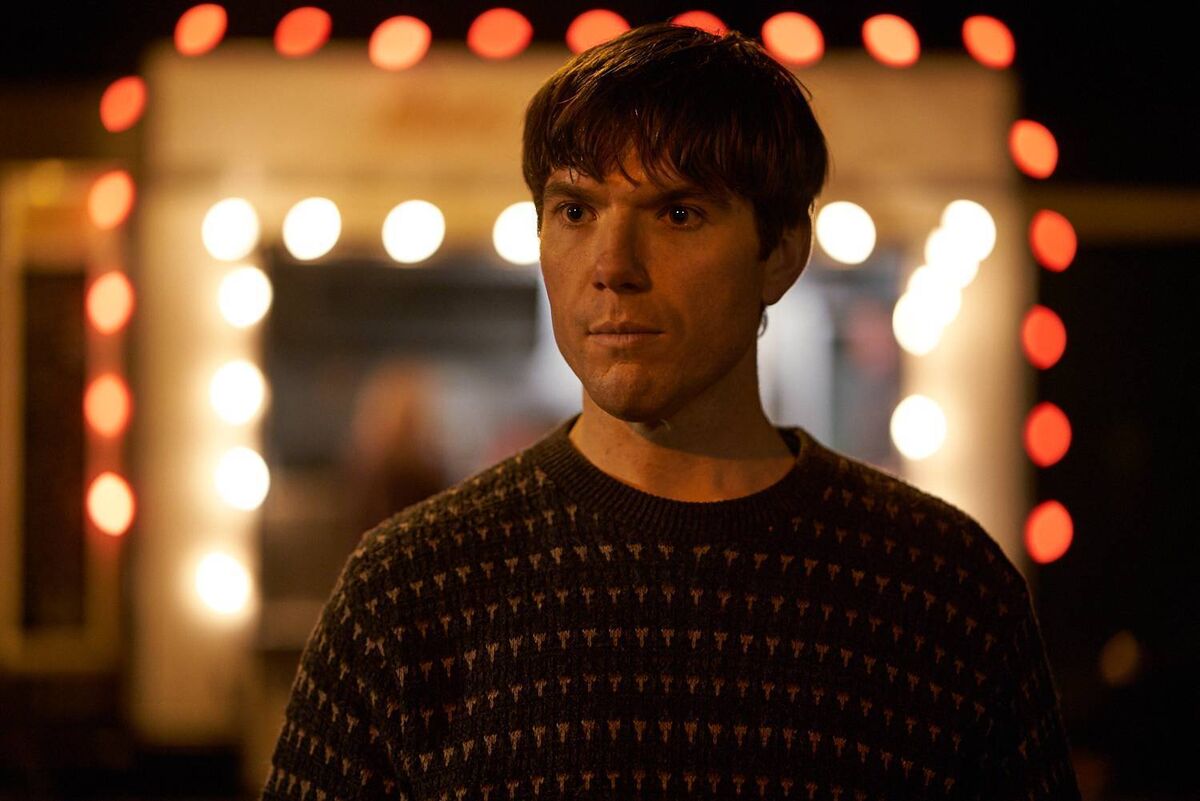
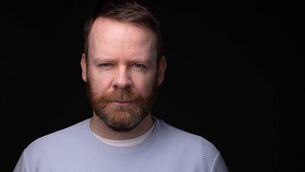
Dónall Ó Héalai in 2018 drama Foscadh - ar fháil saor in aisce ar Seinnteoir TG4

Bain triail as! - Give it a try!

  • If you're a complete beginner, or dusting off your old cúpla focail, try these few basic phrases, via Gaelscoil Online.
  • Your local library will offer learning materials, free with a membership, and might also have a ciorcal cómhrá (conversation group) and other supports - be sure to ask at your local branch. 
  • Gael-Linn offers a range of tried-and-trusted courses, online and in-person, for all ages, including adult beginner's programmes for new speakers, and adult versions of the famous Gaeltacht excursions.
  • For an alternative, Kathy Scott and Manchán Magan's Scoil Scairte offers online courses featuring guest lecturers from all over Irish culture and media.
  • Magan's series of books on rediscovering the language through our surroundings are wonderful - start with 2020's Thirty-Two Words for Field.
  • Get the cúpla focail as you scroll by finding Irish-language creators on social media, like Instagram sensation Irish with Mollie.
  • Online language-learning apps like Duolingo aren't necessarily a comprehensive introduction to the living language, but are proven to help new learners expand their vocabulary, even for a few minutes a day.
  • TG4 is the country's national Irish-language television broadcaster, running an eclectic, community-focused range of programming in Irish with English subtitles - check out their range of boxsets on Seinnteoir TG4 - all programmes free, with ads of course.
  • Seinnteoir TG4 also plays home to some of the great Cine4 films that have helped drive the Irish-language revival - including 2018 drama Foscadh.
  • The national Irish-language radio service, RTÉ Raidió na Gaeltachta, offers 24/7 programming as Gaeilge, aimed at native-speaking communities, but accessible to learners via a range of news, entertainment and music programmes, with a huge archive of shows to explore online.
  • On the topic of Irish-language music, your writer has compiled this playlist of modern Irish artists and songs on YouTube.
  • If you're a videogamer, games like Minecraft and Among Us have official Irish translations, while Irish-developed visual novel If Found, the story of a group of young people finding their identities on Achill Island in the early 1990s, is also playable entirely as Gaeilge.
  • Try getting out into your local community le do cúpla focail! Look for your local Pop-Up Gaeltacht online, for beginner-friendly nights out in your area - find the Cork city one here.
  • For weekends away in the wilds of Kerry to reconnect with the language and its context further, see Diarmuid Lyng's Wild Irish Retreats.
  • If you're getting more confident in your reading and comprehension, Irish-language features magazine Nós covers everything from music and culture to tech and media.
  • Poet and spoken-word artist Ciara Ní É's 'What the Focal' series on YouTube answers viewer questions on the language, and chats with native speakers and academics.


An bhfuil Gaeilge agat? Cliceáil ar an bpictiúr seo.

x

More in this section

Lifestyle

Newsletter

The best food, health, entertainment and lifestyle content from the Irish Examiner, direct to your inbox.

Cookie Policy Privacy Policy Brand Safety FAQ Help Contact Us Terms and Conditions

© Examiner Echo Group Limited