'You have to have the courage to make the mistakes': Marty Morrissey on learning Irish
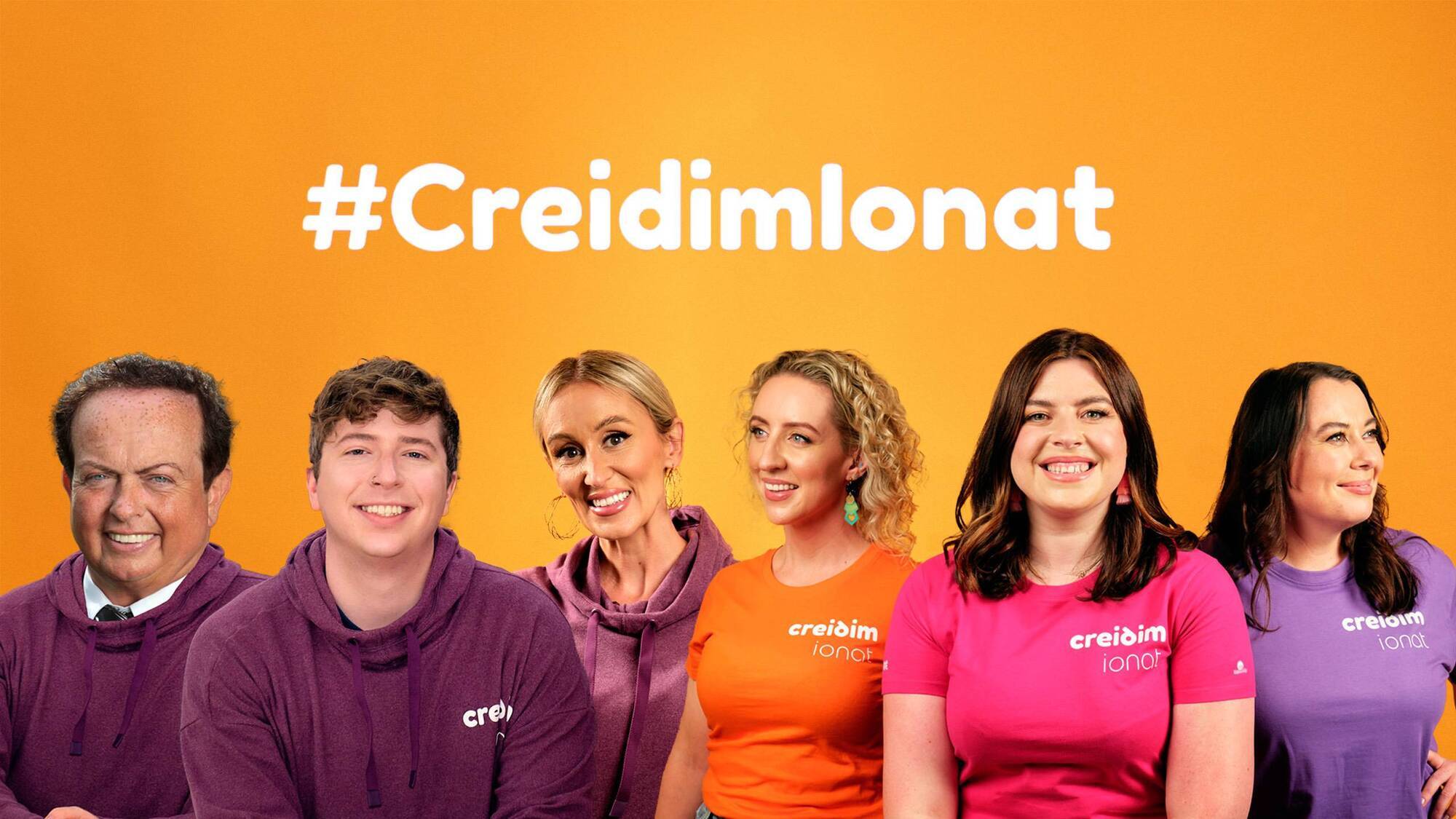
#CreidimIonat sees new learners - like Marty Morrissey, Michael Fry and Marissa Carter, team up with mentors like the Beo ar Éigean trio to gain confidence in ár dteanga.
" " is an old rallying-call to support the Irish language and urge people to keep their cúpla focal: an inclusive shout that asks people to bring whatever knowledge or few bits they have to the conversation, and grow in confidence from there - and a new initiative from RTÉ and Forás na Gaeilge allows people to do just that, with the help of a friend.
("I believe in you") is a new hashtag and campaign designed to get people with Gaelgóirí in their lives, be it meeting up for coffee for a chat, or staying in touch via social media or messaging - if you're interested, register for the campaign, make a post with the hashtag asking to be partnered up, or ask a Gaelgóir in your own life, then agree on a goal for your learning by November 22, the end of the campaign.
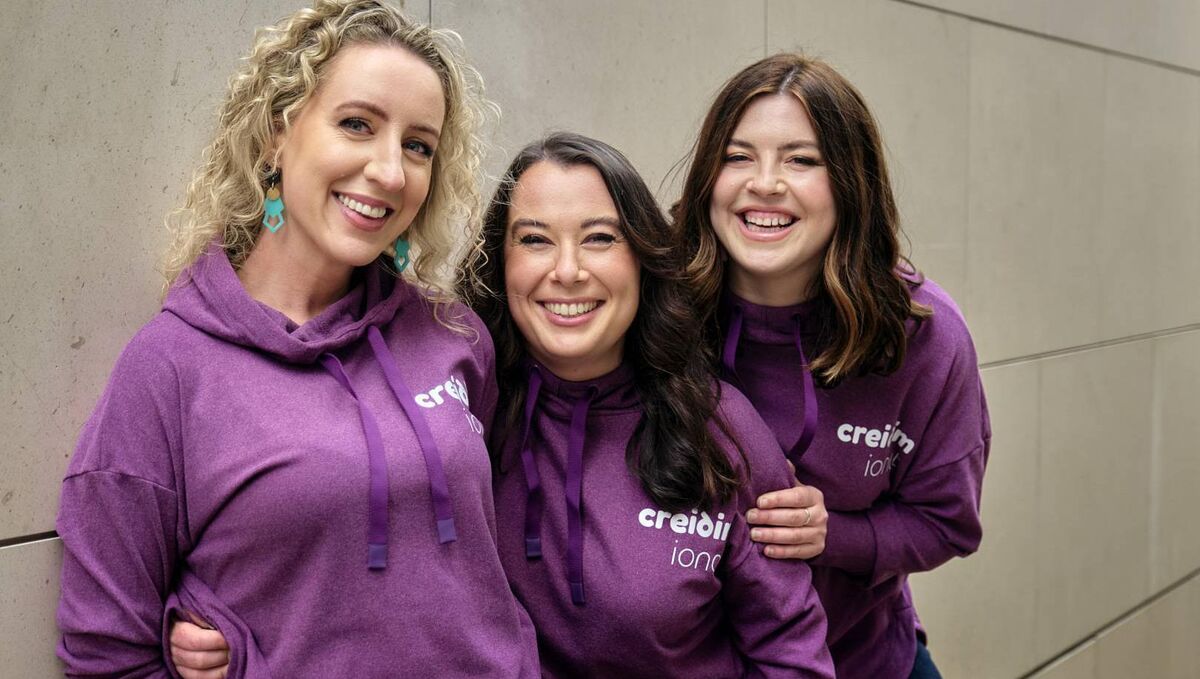
Among those who have signed up have been GAA media personality Marty Morrissey, comedian Michael Fry and beauty influencer Marissa Carter, being mentored by the presenters of RTÉ Radio 1's Beo ar Éigean show - Sinéad Ní Úllacháin, Áine Ní Bhreisleáin and Siún Ní Dhúinn respectively.
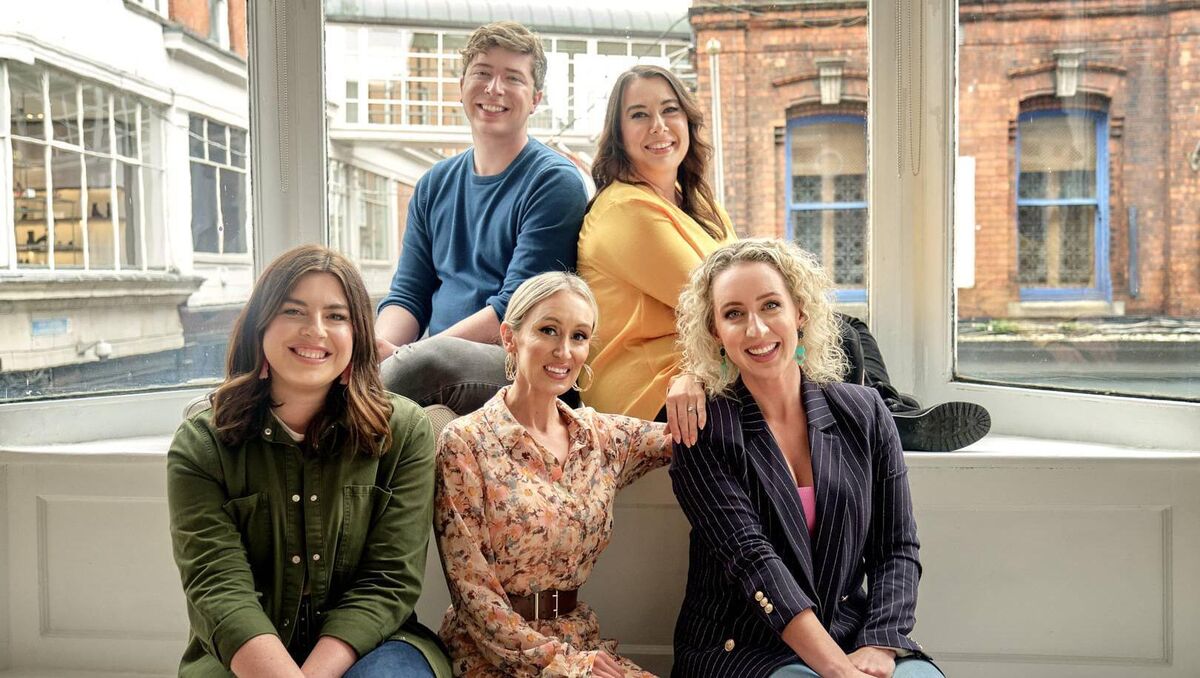
"I think people are really looking to learn more Irish," says Ní Dhúinn, "but I think the issue up until now has been they didn't know how to take the first step, and I think this initiative gives them that step, so I think that's actually provided people with a great, positive way to get going."
"The response has been very positive," says Ní Úllacháin. "Even this morning, I just searched for the hashtag and I saw all these messages appear on Twitter, people who are taken with it. Sometimes the Irish language gets a bad rap, and Twitter can be hostile at times when it comes to any subject matter, Irish included, but I feel like people have been quite positive, even looking at some of the Instagram messages, it's amazing.
"Sometimes when you're working and living , and all three of us come from a media background working in RTÉ, it's just so refreshing to see so many more people out there who are speaking the language, and now through revisiting their love for the language, placing so much value in it, to have an idea of the culture and the heritage and how important the language is."
"I was brought up in Donegal, with Irish, received my primary education through Irish, have worked all my life and jobs through the medium of Irish so it's really nice for me to engage in a different way with people who are coming to Irish, maybe for the first time ever, or maybe making the step to go back to something that they left at the school gate, maybe 20 or 30 years ago.
"It's really eye-opening to see the response throughout the country," says Ní Bhreisleáin, "and it's been really nice to engage with people who maybe have had haven't had really positive experiences with the Irish language beforehand, but they really want to make something positive for themselves now, so that for me is nice as someone who's maybe coming from a Gaeltacht area and a native speaker."
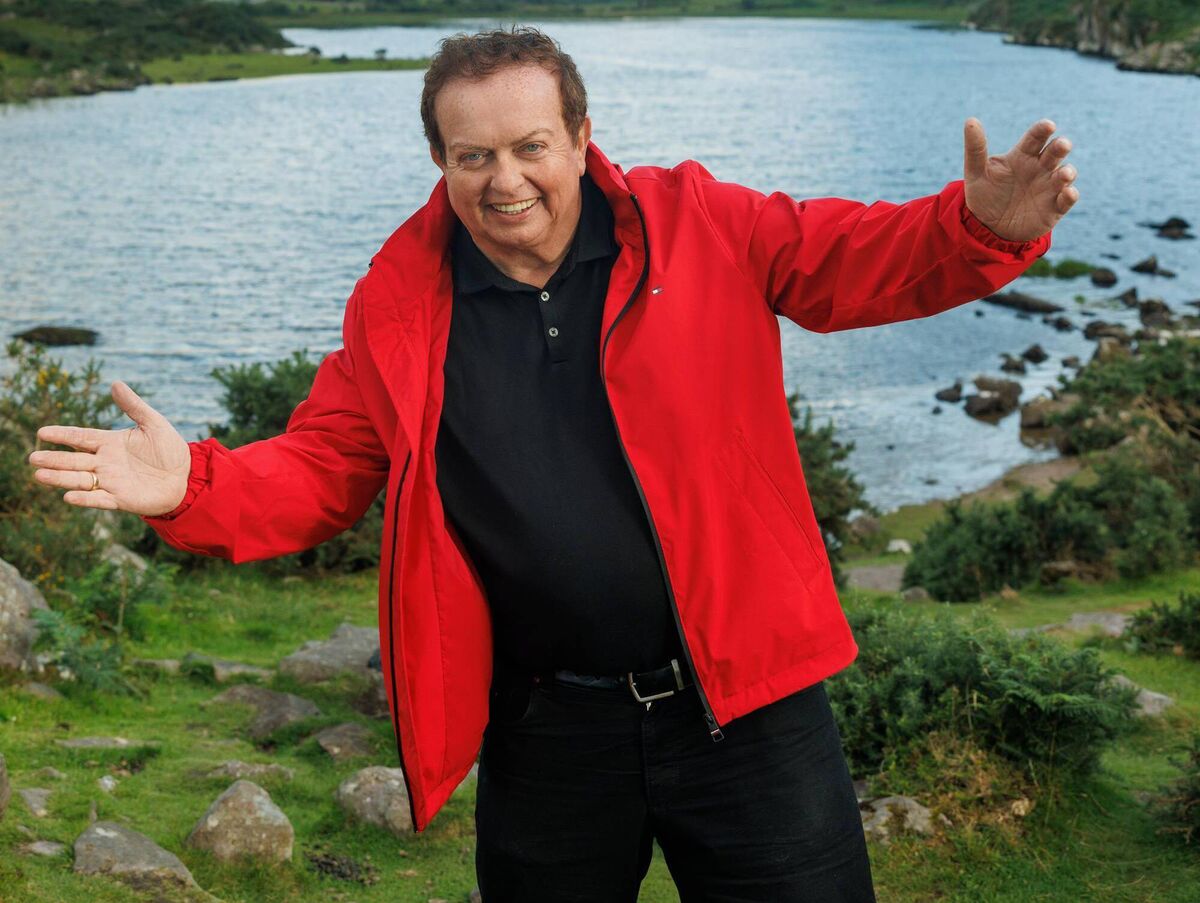
For Marty Morrissey, a man with a cúpla focal and a connection to the language via his father, who was a fluent speaker, his journey with the Irish language began with a struggle to learn it from the beginning from the age of 11 upon his family's return to Ireland from New York. "I got a C in Pass Irish in my Leaving Cert", he beams.
"I suppose when I listen to my colleagues on TG4 or Raidió na Gaeltachta, I think it's part of our culture, and it's part of our heritage. It's just something I'd like to do, and I did have a radio piece [with Sinéad], we went to a Pop-Up Gaeltacht in Dublin, they have these Irish nights.
"It was great craic, I really enjoyed it. There was no pressure to speak perfectly, I only have a couple of words, cúpla focal, but I'd like to get better at it. It's just the love of the language, that's there, and the love of the language is influencing me, so I said I'd give it a try."
His aim is to jog his memory on his existing Irish, and do a piece-to-camera segment tonight [Friday] on RTÉ Two, as part of coverage of the GAA All-Stars ceremony.
"Well, we're working on it. We're fine. Because obviously the All-Star teams were only picked this week, it's only these few days we'll get a chance to practice my few lines. It's not earth-shattering by any stretch of the imagination. But it's worth it to try. We can all try to be involved, because it is our language, and we should embrace it, and that's what I'm trying to do in my own very small way."
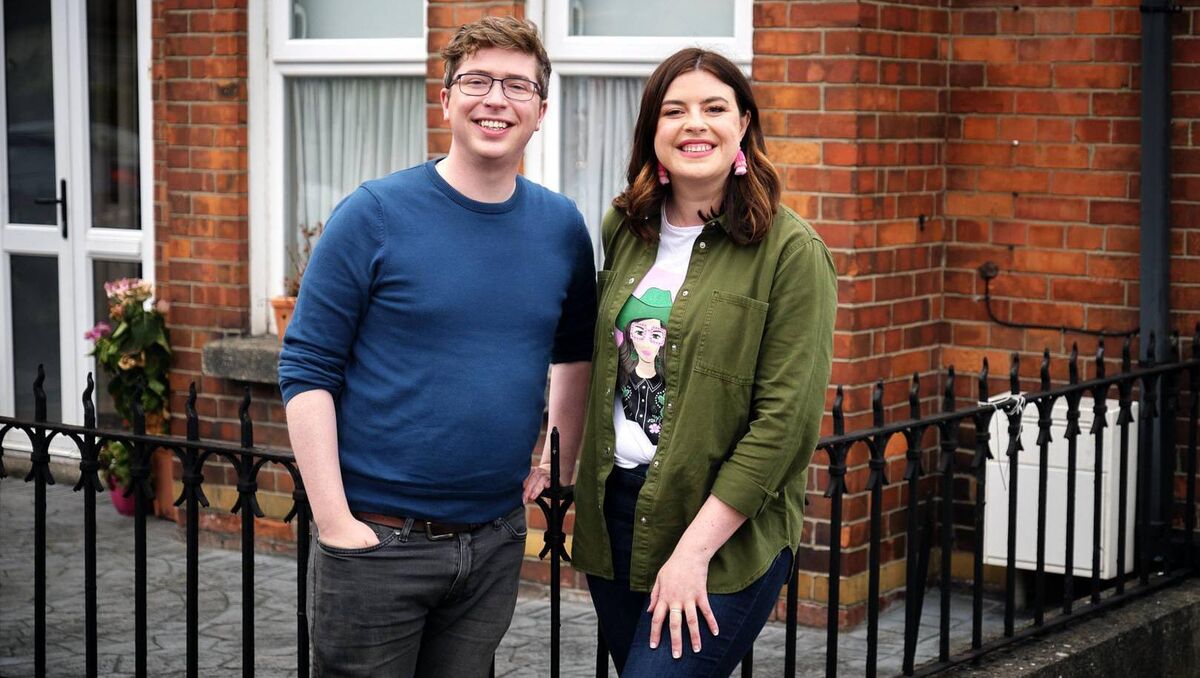
Establishing an endgoal varies from person to person. For Michael Fry, currently co-starring in homegrown sketch show , the aim is to work with Ní Bhreisleáin to start writing sketches and pieces in the language; while for Marissa, the goal is to do a makeover segment on RTÉ One's show completely in Irish - with mentor Ní Dhúinn volunteering as the model.
And it's in these contexts that Irish as a living language can thrive - being seen to be used in the real world, where we can all appreciate it, as opposed to the staid and rigid tongue that some have confined to the idea of a 'dead' or 'hobby' language.
Such people might get a shock upon seeing that some of Ireland's most vibrant and vital aspects of culture - from films like An Cailín Ciúin and Róise & Frank, made in part by TG4's Cine4 initiative, to musicians and artists like Belfast rap trio Kneecap and West Cork metal outfit Corr Mhóna - are where the language has gone for a new generation.
"Oh, it's just so lovely," says Ní Úallacháín. "It's just so warm and fuzzy. It's so nice to see it getting such a great reception in Ireland but also abroad as well, with the likes of Kneecap travelling to New York, and the likes of An Cailín Ciúin, I really hope that it does get nominated for an Oscar, we'll see in a few months' time but it's just a sense of pride, I suppose, is the biggest thing - seeing people doing well for themselves."
"When I was 10 years of age, TG4 started, and I just remembered the buzz that was around us," adds Ní Bhreisleáin, "and that there was a TV station and local people who were presenting shows, and acting in it and celebrities in the Irish language. I suppose where I grew up, there was always a lot of people who had Irish, but maybe they were world-famous musicians like Clannad and Altan, and so on. So it never seemed strange to us that people who had Irish and used Irish, would use it on a world stage.
"Things like TG4, social media, the rise of podcasts, bands like Kneecap, festivals giving spaces to the Irish language, it's really given a great injection of life and energy. To me that's normal, because I'm privileged enough to have always grown up with that as my experience, whereas maybe older generations, or people who lived maybe on the fringes of it didn't feel that they were always able to get into that circle."
"I went to school in a very disadvantaged area in Dundalk, and it would have had a lot of negative connotations, in the late 80s, early 90s," says Ní Dhúinn. "But that's all part of the story of the Irish language as well, and I'm not ashamed of it either, it's just that we've moved on, just like Ireland has moved on, the Irish language has moved on. And so it's great to finally be recognized as the creative space that lives - people on the outside, the majority looking in and saying, actually, there's something here, there's something different happening."
If you find yourself wanting to move past do chúpla focail, but are still lacking that confidence to get past a shaky start like Marty and the other celeb mentees, there's ample resources online, things like language-learning app Duolingo and our Irish-language media to help get a start - but there's only one thing for it - .
Says Morrissey: "I think one thing I've learned is to have confidence to make a mistake. This is a great initiative, and what I love about it is, they're not either going to correct you, the fluent Irish speakers, or they're not there to criticise you, once you try to say a cúpla focal. When I was out with Sinéad, if I was struggling, I'd ask, 'how do I say that again?'.
"She has beautiful Kerry Irish, so I have to slow her down a bit. But that's better - because it becomes part of our everyday language, you have to have the courage to make the mistakes, knowing that you won't be corrected publicly, and I think this has huge potential to be a big success down the road."
"It's like everything else", says Ní Dhúinn.
"I think you have to embrace that, it's going to be a little bit of a messy journey, but you'll get there and you have to keep going. I think you need to give yourself some time, a little bit of self-compassion is no harm, and I think to remember that most people going to a Ciorcal Cómhrá, or a Pop-Up Gaeltacht, they're probably in the same boat, or they were a few years back.
"Most people are very kind to anybody who's starting off on any journey, particularly in the Irish language, because we want more Irish speakers at the end of it, we just want more people to speak Irish, we want more people to engage with us as Irish speakers. I think you just have to accept that you're going to be vulnerable, and that's it."
"Don't think that everyone else isn't afraid as well, we all have weak moments," concludes Ní Úallacháin. "There are times when I'm mid sentence, and I don't know what's coming up at the end of the sentence, I don't know where I'm going. We're all learning, we're always developing.
"If you know somebody - and it could be somebody who's abroad or up the country over Zoom, or somebody you can catch up with over coffee in a coffee shop - if you think they would be interested, why not reach out and see if they would be, grab yourself a buddy and go with the flow. You never know - you might surprise yourself!"
- For more information on Creidim Ionat, and to register, go here, and use #CreidimIonat across social media.
- For a list of Irish-language resources like news, podcasts, television and online video, as well as historical resources, go here.
- Marty Morrissey co-hosts tonight's GAA All-Stars ceremony from 7pm on RTÉ Two, including his Irish piece-to-camera.
- Gael-Taca is the home of the Irish language in Cork City.
- Cork City's local Pop-Up Gaeltacht can be found here, with details of the monthly meetup.
- Hello
- Goodbye
- How are you?
- Good morning
- Good night
- Welcome
- See you soon
- Cheers
- What’s your name?
- My name is Michael
- Excuse me
- Please
- Thank you
- Yes/No
- Can I go to the bathroom?


CONNECT WITH US TODAY



Be the first to know the latest news and updates