Richard Hogan: The dangers of cannabis edibles — and dealing with the risks
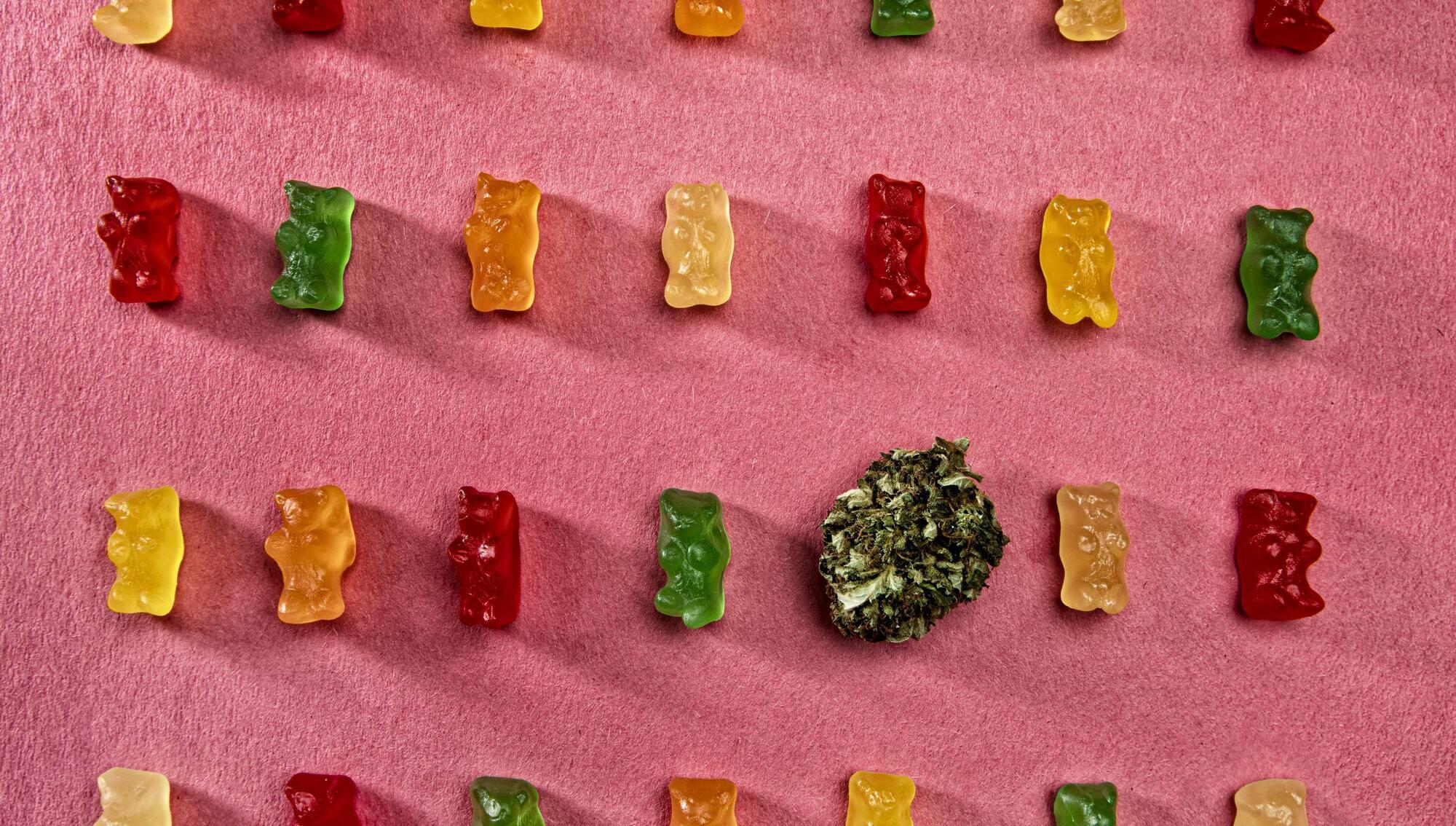
I have had many conversations, in recent years, with young teenagers who tell me that edibles are ‘a harmless bit of fun’ — but the HSE has warned that synthetic cannabinoids in cannabis jellies have caused over a dozen people to be hospitalised in the past several months. 
Richard Hogan: The dangers of cannabis edibles — and dealing with the risks

Pic: iStock

Working with teenagers for over twenty years, you get a first-hand glimpse of what is going on in their world. 

Fads come and go. Vaping has taken the adolescent world at incredible speed. 

Of course, when you design a product that sells bubble gum flavours, you know exactly who the targeted audience is, no matter what the companies say. 

But recent legislation should curb, to some degree, children’s consumption of those products. 

A craze that has swept through the adolescent world, and one we should be very concerned about is the arrival of ‘edibles’. They are something that parents should be aware of.

I have had many conversations, in recent years, with young teenagers who tell me that edibles are ‘a harmless bit of fun’. 

But the HSE has warned that synthetic cannabinoids in cannabis jellies have caused over a dozen people to be hospitalised in the past several months. 

These manmade chemicals can cause respiratory problems, cardiac problems, and mental health problems such as psychosis and anxiety.

We rarely know what latent mental health condition lies dormant until we provoke it by consuming something we wished we never came into contact with. 

I work with teenagers who have provoked serious mental health issues by their behaviour. 

And nearly all of them wonder why they didn’t know that smoking hash or taking an edible on a Friday evening could have caused such terror to come into their lives.

ZERO QUALITY CONTROL

I am constantly trying to advocate to teenagers about the consequences of their actions. 

I explain to them that there is no way of knowing the strength of what is in those secretly manufactured products. 

They are made by very dangerous people who care little for the safety of what they peddle, or the impact their product has on the mind of those who take it.

We need to get this message to parents, schools, and teenagers. 

There is zero quality control and so they have no way of knowing the potency of the jelly they consume, in some cases, they don’t even contain THC or cannabis but rather contain synthetic
cannabinoids, which have caused all sorts of mental health problems for some of those who have consumed them.

There are myriad issues with these products. 

First of all, there is the potential for accidental consumption by children who think they are harmlessly stealing their siblings' sweets, as we saw back in February when three children were hospitalised after accidentally taking them.

The psychological damage on a child who thinks they are eating sweets, but instead enters into a psychologically altered state is obviously profound as they become incredibly frightened by what is happening to them. 

That kind of fear can seriously damage a child’s sense of self and reality. 

But also, the power and potential psychological impact these jellies are having on children is something we should be aware of and we need more advocacy to protect children.

Richard Hogan. Photograph Moya Nolan

PRESSURE AND CONSEQUENCES

Peer pressure is always in the adolescent world. 

I have had many teenagers explain to me that they wouldn’t have touched them if they knew what they were going to do to them. 

And I have worked with many teenagers, as I have said, who have provoked serious mental health issues and I see them struggle, as they attempt to get back to what life was like before they consumed ‘edibles’.

One teenager I worked with, and who asked me to tell his story so that it might deter others from consuming them, became worried that he might harm himself. 

This fear was provoked one evening when he had taken an edible and had a terrifying thought that he should throw himself in front of a train. 

He was paralysed with fear until the effects of the jelly wore off. 

But now, there was a residual concern that he might have that thought again and do something terrible. 

He had never experienced anxiety before, but now he was really struggling to find any sense of joy in his life.

That is a lot to jeopardise for a ‘harmless bit of fun’ on a Friday evening. 

And I think if we told teenagers more about what can happen and they hear stories from others like this client, it will help them to make the right decision for their life. 

ARMED WITH THE FACTS

Of course, adolescence is a time of discovery and exploration, and they have lower levels of risk-averse thinking than adults, so we need to arm them with the facts so that before they consider taking something as unknown as an edible into their lives they are aware of the potential harms.

Professor Eamon Keenan, clinical lead of addiction services for the HSE recently outlined that synthetic cannabinoids are a growing public health problem. 

We need to listen to him, and we have to educate our children so that they understand the implications of bringing those products into their lives. 

The joint system of school and family must always work together to educate children and protect them from sinister products like edibles.

x

More in this section

Lifestyle

Newsletter

The best food, health, entertainment and lifestyle content from the Irish Examiner, direct to your inbox.

Cookie Policy Privacy Policy Brand Safety FAQ Help Contact Us Terms and Conditions

© Examiner Echo Group Limited