There are currently no standards that the beauty industry must meet in order to market their products as sustainable. The industry itself has implemented a broad range of strategies to actively contribute to the sector’s sustainability and there are calls to regulate the use of terms such as clean and sustainable. However, “greenwashing”, the exaggeration of a company’s environmental credentials, continues to occur.
The Net Zero Reality check report recently unveiled by climate consultancy the Carbon Trust’s Net Zero Intelligence Unit states that “the beauty and personal care sector has not yet demonstrated the urgency and credibility needed to effectively tackle its contribution to climate change”.
The report, looked at the sustainable practices of the large players within the industry, suggesting that companies shift their focus towards actively pursuing change and reducing their largest sources of emissions. An environmentally-conscious approach to beauty isn’t simple but small business is already looking to these changes as a matter of choice over lining their pockets.

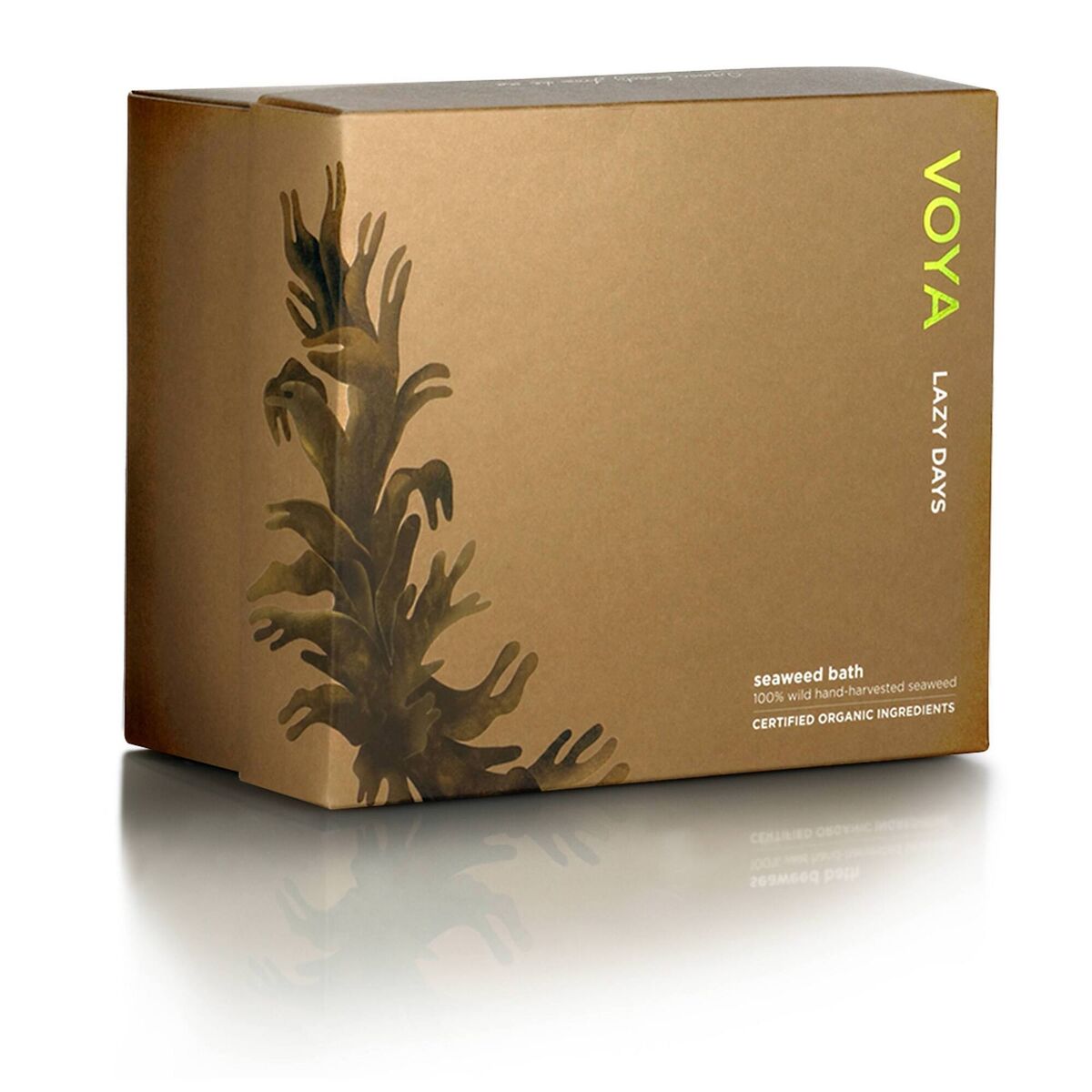
Mark Walton and his wife Kira began their journey with a pot in their kitchen as they created new products and developed ideas for Voya, an award-winning organic lifestyle brand which promotes sustainable organic luxury.
With certified organic skincare, Voya’s story is embedded in innovation, integrity, and respect for the sea. The development of organic products has always been in the DNA of Voya with the concept of organic, sustainability, the lifecycle of products, their development, and the impact on the environment being very much their business ethos.

“All our products are certified organic,” says Walton, “and that’s really important because there are a lot of brands which claim to be natural, organic, but they’re not certified as such. But it comes down to profitability in business. Everything that we do like organic certification adds 30 to 40% to your base cost or sustainable packaging may add 50%. So, it’s frustrating to see companies greenwashing.”
When asked whether he thinks that sustainability is a barrier to the beauty industry in a business or cost-effective sense, Walton says that what small businesses like Voya can achieve would essentially erode the profits dramatically of larger companies such as Unilever. “But our company and the targets we set are a lifestyle choice for us,” he says. “It’s hard for people who are starting off and to them I say, do what you can when you can.”
COMMITTED APPROACH
With companies such as Boots Ireland, a member of the Walgreens Boots Alliance (WBA), long been embedded in the need for sustainable applications, their committed approach recognises that healthy communities also need a healthy planet, assuring the way they work cares for the environment and positively impacts communities.
In the 2022 Walgreens Boots Alliance (WBA) Environmental, Social, and Governance report Senior Vice President, and Global Chief Commercial Officer, Annie Murphy said, “Our goals are ambitious, but they’re absolutely necessary. I know WBA’s customers are conscious of how the choices they make impact the planet. So is our team. Together, we want to offer simple solutions to show our commitment to this movement.”

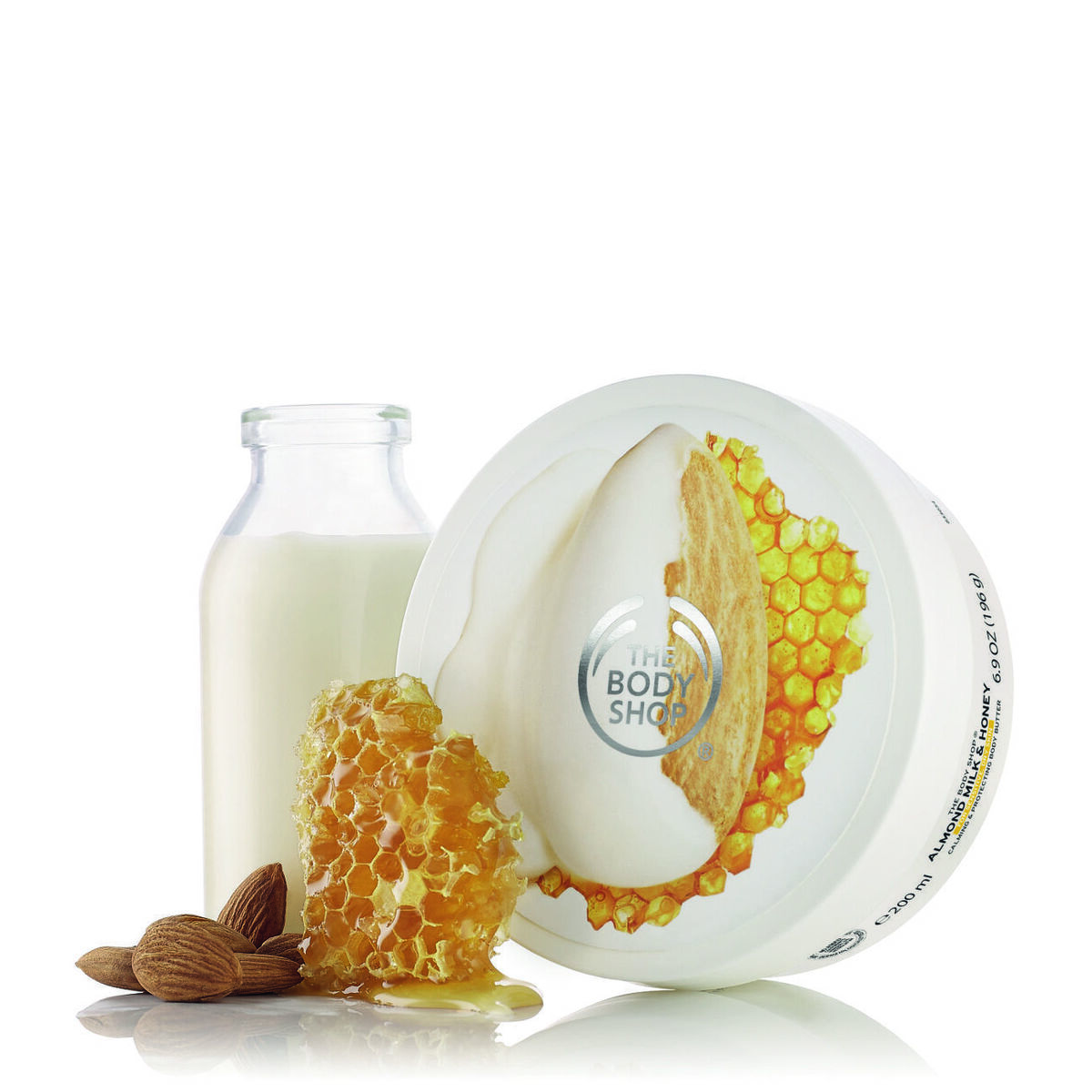
Similarly, The Body Shop, believes there is a more sustainable way of living and has developed programmes and partnerships that will activate change. As a leader in social and environmental justice for over 40 years, the company is dedicated to being as ethical, sustainable, and inclusive as possible.
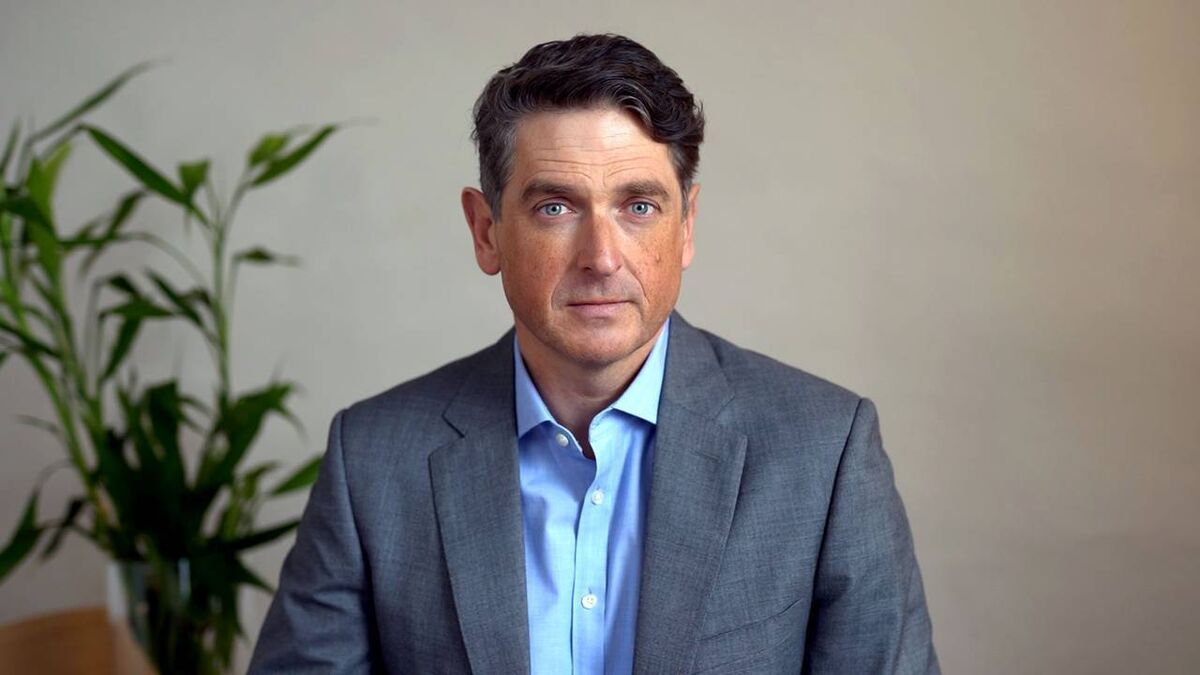
“This work is vital and urgent, but challenging,” said CEO David Boynton in the 2021 Body Shop Sustainability report. “It’s only possible because, right across The Body Shop family, thousands of people share the same vision, grit, and determination. We have many challenges ahead but, together, we’re achieving great things.” Advocates for sustainable products and brands, are alive and well in Ireland, as the trend towards disrupting the beauty industry in this way is at the forefront of Irish companies who consciously choose and work towards sustainable products and practices.

CULTURES OF SUSTAINABILITY
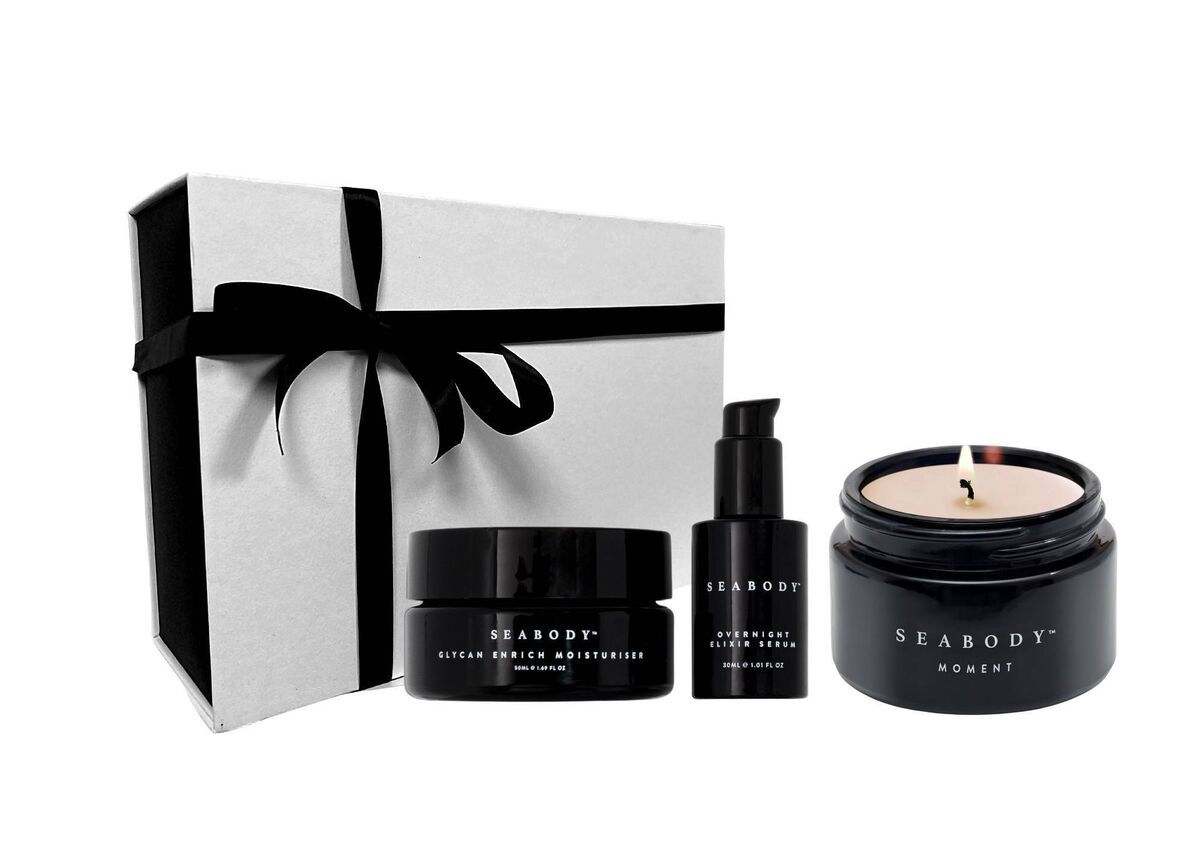
Seabody, a Kerry-based wellness and beauty brand, won the Guaranteed Irish Best Beauty Brand Award this year and was selected to feature at this year’s Cosmoprof Exhibition in Bologna, Italy.
“At Seabody we have our hero ingredients such as our novel marine bioactives,” says co-founder Dr Helena McMahon, “and our Pentabrite eye serum, which is becoming our hero product and features in the ‘Not So Trashy’ category of the Cosmotrends report. We have an upcycled blueberry extract as well, so not only do we produce our own ingredients sustainably, but we also spend a lot of time curating and sourcing ingredients that are of a shared ethos with our company.”

As a business focusing on a culture of sustainability, McMahon recognises that the practices involved throughout are of a very high standard. “Additional hurdles are placed in front of us in terms of how we innovate and all of the choices that we make within a business,” she says. “But I don’t look at it as a barrier. I look at it as a principle that can drive sustainable innovation. It’s another way of making decisions that will enable you to create products that are more sustainable because of how we select the core ingredients, because of the packaging choices we make, and because we look at society around us.”
McMahon advises that the ESG framework is a good place to begin when setting out on a business embedded within a sustainable journey. “It’s not just the product that you want to be sustainable,” she says.
“Your business needs to be sustainable too. It’s no good in isolation, saying, look at this amazing product with great sustainability credentials. Looking within the company, around your energy usage, your water usage, your waste usage is when you start to transition to a sustainable business.”
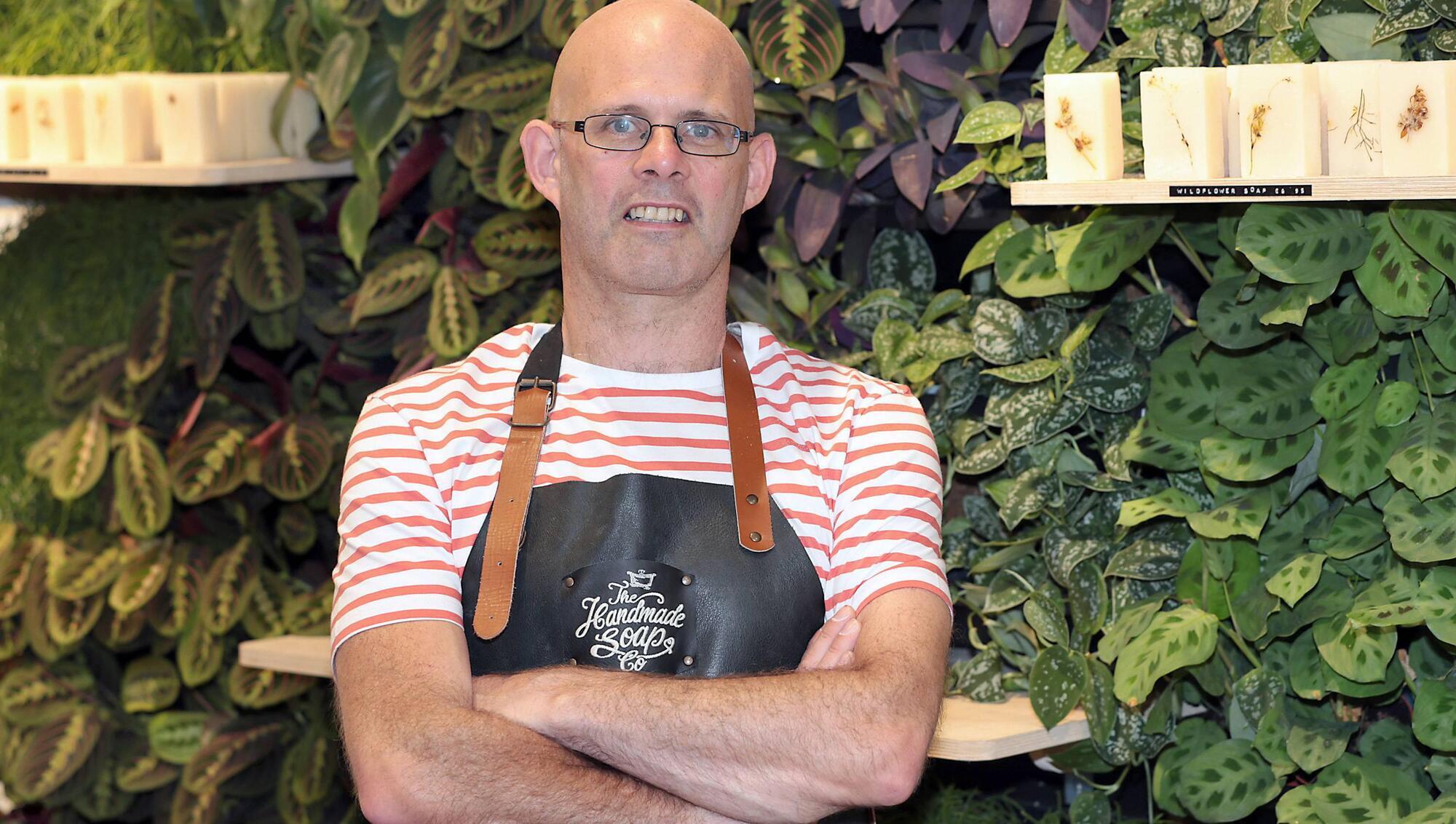
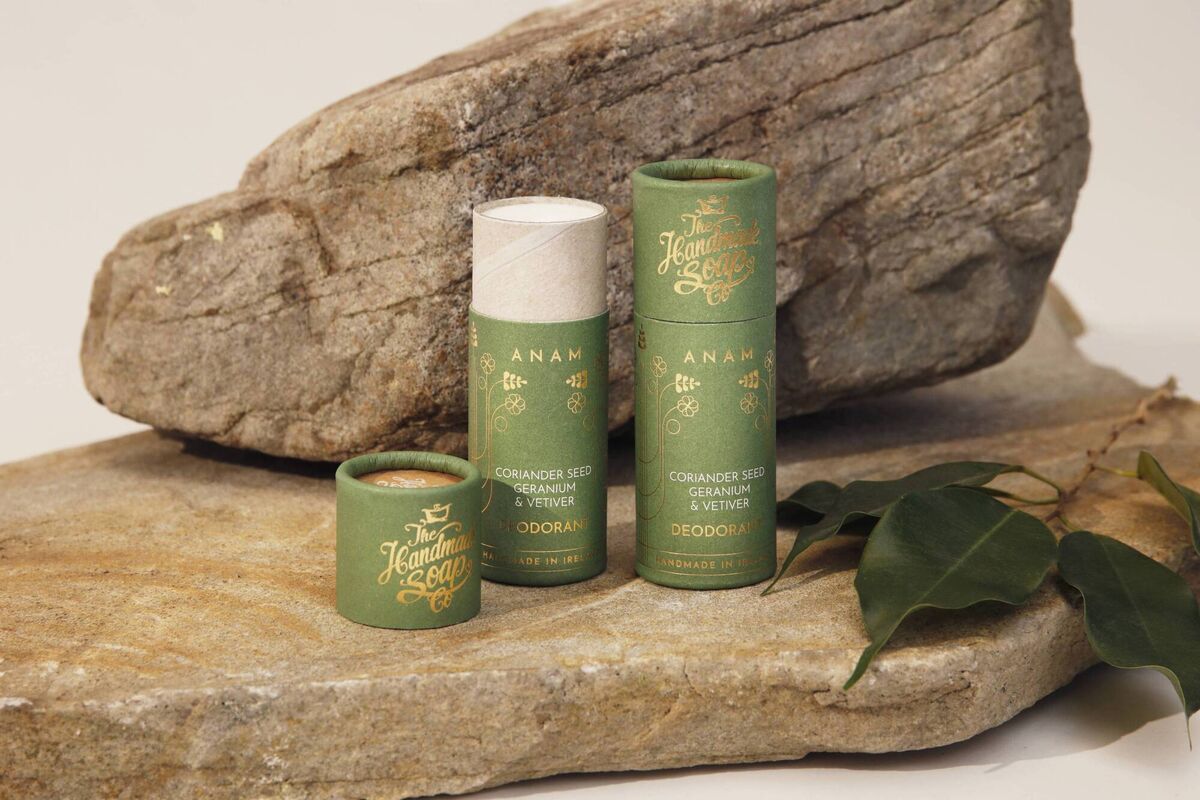
“There are so many challenges along the way,” says Donagh Quigley, founder of The Handmade Soap Company. “The only truly sustainable business is the one that doesn’t exist. We need to continually ask the questions; how can I minimise my impact and how can I contribute to the greater good?”

INTERNATIONAL ACCREDITATIONS
The Handmade Soap Company, known as Ireland’s kindest brand, has become the first Irish personal care brand to be awarded the international B Corp accreditation, which is the leading worldwide business accreditation that verifies social and environmental performance, accountability, and transparency. Receiving the B Corp accreditation was one of Quigley’s proudest moments as “B Corp is a global movement using business as a force for good, and we are extremely happy to now be a part of that change.”
Quigley, whose journey began as he and his wife made soaps by hand in the kitchen and who continue to advocate for the kinder things in life, believes that for businesses to ultimately be sustainable, you have to take positive actions and offset the negative actions. “Our thinking is that everything we do along the way is a stepping stone to get to that bigger change,” he says.
“Nothing we do at this moment in time is going to be the perfect solution, nor do we want to tout it as such. But what we try to do is use the best technology that’s available to us and when better technology comes along, we will invest in it and embrace it.” The intention for the growth of The Handmade Soap Company is to continue its ethos of sustainability and grow with the industry in the right direction.
In terms of disrupting the beauty industry, the focus on sustainability is a driver for innovation, for creating not only new and consumer-led products but positive business practices creating collaboration, and solutions, and driving real change in the industry.
CONNECT WITH US TODAY
Be the first to know the latest news and updates