Consumer Corner: What you need to know if things go wrong this winter
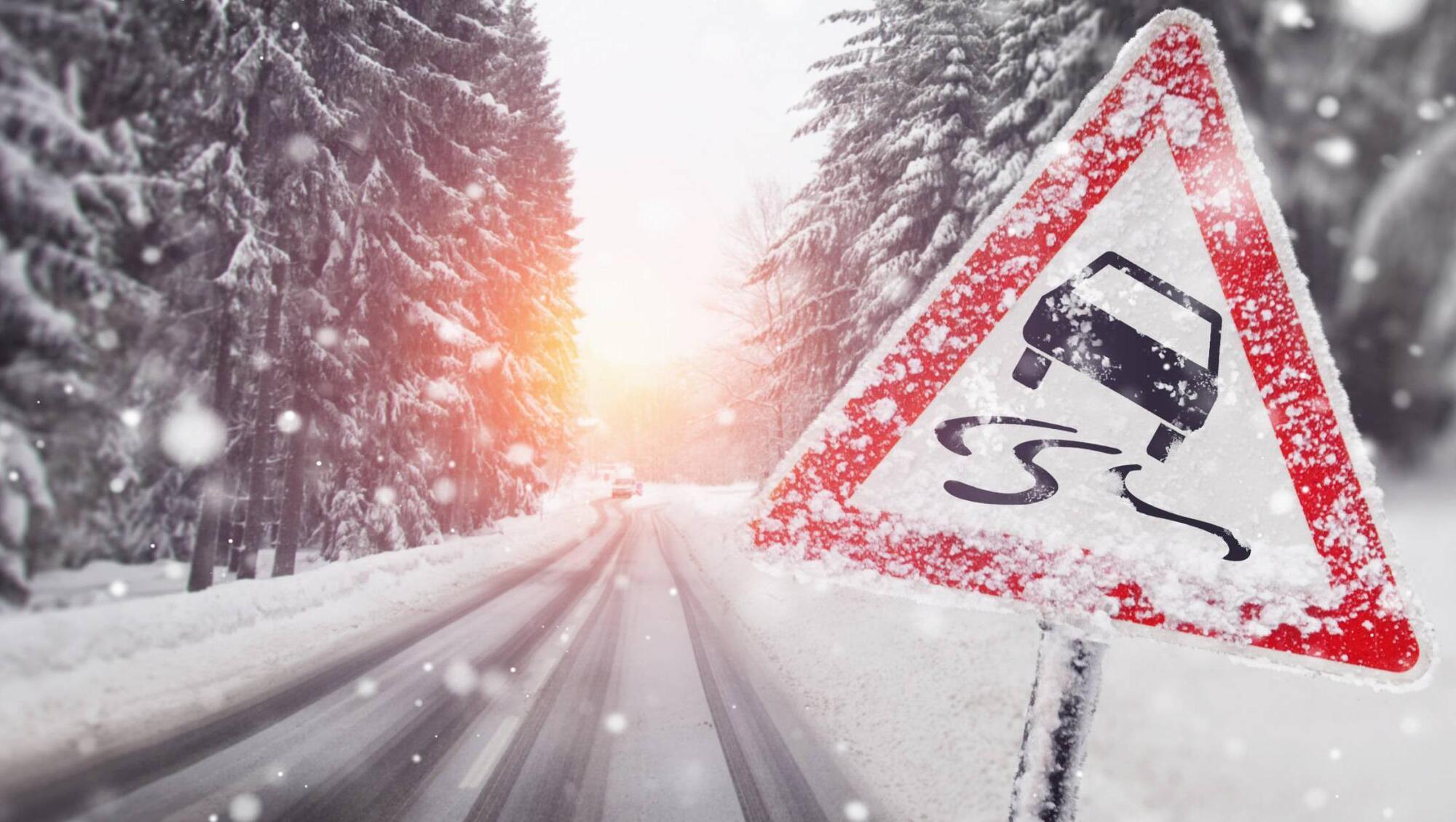
From breakins to break downs, here's why being prepared when the unexpected happens is so important
Consumer Corner: What you need to know if things go wrong this winter

Proper preparation is key to staying safe this winter

Best-laid plans are great, right up until something goes wrong.

The car full of kids not starting on a cold Wednesday morning or a tree falling in the garden during a storm, doing serious damage. It’s worth knowing your facts when the unexpected happens to ensure you are covered by insurance. Here we look at everything from what happens if your house is broken into, if you hit a deer on a dark road, or if you buy cheap Christmas lights for your tree and they go on fire.

Taking the car first, Jonathan Hehir, MD of insuremycars.ie says you should not leave your engine running on frosty mornings in case your car gets robbed.

“As the frosty mornings kick in, resist the temptation to leave your engine running to de-ice your car,” he says. “Insurers usually refuse to cover the theft of a car if the keys to the ignition are left in the car when it is unattended.

“In recent winters, a number of cars were stolen after their owners left them unattended while de-icing, and this is a trend we’re likely to see repeated this winter.”

If you are driving late at night and you hit a deer on the road, you will be covered by your insurance.

Mr Hehir said: “The risk of hitting a deer on the road is higher in winter, particularly in rural Wicklow, Kerry, and Donegal and other areas where the deer population is high.

“Your car can be badly damaged if you accidentally hit a deer, so it’s worth knowing that once you have comprehensive car insurance, you usually will be covered. Be sure, though, to alert the authorities and take pictures of the damage.”

If your house is broken into, your home insurance will cover break-ins, but there are limitations in cover.

Mr Hehir said that, as obvious as it sounds, don’t leave the front or back door of your home unlocked. You’re usually only covered for burglaries where there has been forced entry into your home.

“You could struggle to get a payout from your insurer if there’s no evidence of a break-in and if a burglar simply opens your door and walks into your home,” he says.

Also be careful with house alarms. If you have a house alarm, check with your insurer when exactly it expects you to have your alarm on and how often it expects you to have your alarm checked and serviced. Otherwise, you could get caught out.

Be careful if you have put in your own house alarm.

It’s very unlikely that your insurer will cover you for a break-in if it finds out that you bought and installed your own house alarm. Insurers generally expect alarms to be fitted by a professional installer.

Peopl Insurance CEO Paul Walsh said that storms bring a range of issues for householders, partly caused by high winds and also the water damage from rain.

“We get to see the obvious issues such as fallen trees, and damage to doors and windows from loose furniture instantly, but often the issue is the delayed onset of damage caused by loose tiles, and water getting into your roof structure.

“All cost money to fix, at a time when we can least afford it.”

He points out that one of the most severe impacts is major structural damage to your home if a tree falls on your roof during a storm.

“Most home insurers will cover damage caused by storms or fallen trees, though you could get caught out by underinsurance.”

Also you may not be covered for damage caused by a fallen tree to gates, fences, and garden furniture if that furniture has been left out in the garden. This will very much depend on your insurer.

Floods are also a tricky area, as insurers often limit cover or won’t cover homes in flood-prone areas, and homeowners hit by floods often have little choice but to foot the bill.

“Homeowners in flood-prone areas should take as much steps as they can to protect their property from floods, such as clearing or improving drainage, using sandbags or flood barriers to protect their property, and keeping personal and expensive items as high above ground as possible,” said Mr Walsh.

There may be some financial assistance available from the Government if your home is badly damaged in a flood and you have no cover in place.

House fires are also common during the winter, as more people are lighting fires and burning candles.

“Insurers will generally cover fire damage in a home, though they could refuse to cover loss or damage that arises as a result of faulty workmanship or design,” said Mr Walsh.

“So when you’re buying any decorative lighting or any type of Christmas tree lights, make sure you buy trustworthy and quality lights, and please double check for those loose embers when blowing out your candles at night, they look great — but left unwatched or unguarded, they can be quite dangerous,” he warms.

x

More in this section

Lifestyle

Newsletter

The best food, health, entertainment and lifestyle content from the Irish Examiner, direct to your inbox.

Cookie Policy Privacy Policy Brand Safety FAQ Help Contact Us Terms and Conditions

© Examiner Echo Group Limited