Pete the Vet: Is your pet warm enough this winter?

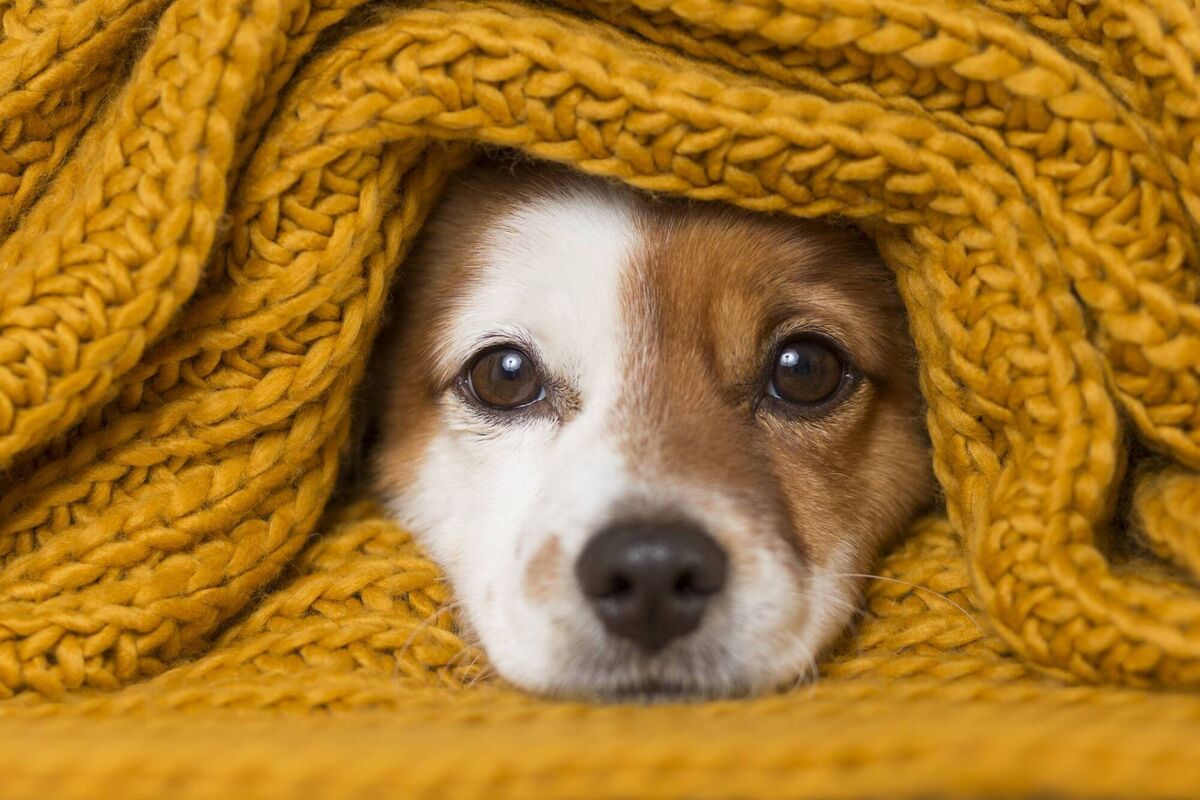
You need to check out the area that your dog is sleepping in, and make sure that it is suitably warm.
Across Ireland, winter has arrived. Temperatures outside – and in our homes – have dropped. The colder weather has forced us all to find ways of keeping warmer.
It’s easy for us humans: we are able to take the steps needed to get warm, whether that means putting on more clothing, throwing an extra blanket on the bed, or biting the financial bullet and switching on the heating.
It’s different for animals: if they feel cold, their options are limited.
They can seek out warmer places (you may have found your pets huddled closer to the kitchen range recently), they can huddle closer together to one another (my dogs and cat are more likely to be lying wrapped around each other in the winter months), and they can generate more body heat by being more active. But that's about it.
Under Irish animal welfare legislation, pet owners are obliged to keep their pets free of discomfort, and this includes keeping them reasonably warm. More than this, most pet owners see their dogs and cats as part of their family, and they want to do their utmost to keep them as comfortable as possible.
So what can you do to keep pets snug and cosy in the winter chill?
Sleeping is probably the most important time when warmth is needed. You know this yourself: if you are cold in bed at night, you can’t sleep, and you’re likely to get up to find extra bedding, or if you can’t do this, to put on some sort of clothing.
Pets can’t do these things: they can only lie there, feeling chilled and miserable.
So you need to check out the area that they sleep in, and make sure that it is suitably warm.
What temperature should it be? It’s difficult to give absolute figures for this, as some dogs get chilled more easily than others.
An indoor-only small, fine-haired Chihuahua needs a warmer sleeping area than a large long-haired Collie that's used to sleeping in an outhouse on a farm. Small, slow, elderly, thin dogs and cats need more environmental warmth than large, active, overweight young adults.
But, as a rule of thumb, pets should not be kept in environments where the temperature falls below 8 – 10’C.
If it’s expected that the temperature will be lower than this, steps should be taken to provide extra warmth. This could involve giving animals access to a different housing area, or it could mean that some sort of heating should be provided (at the most simple level, greenhouse-style electric heaters with built-in thermostats can be used).
Additionally, the provision of night-time clothing can be considered for some animals. I am not a fan of fancy pajamas for dogs, but there’s a place for layers of sensible insulation using clothes.
I remember an older rescued Greyhound whose sleeping place was a conservatory where the temperature sometimes dipped too low in the middle of the night. The dog started to bark at four in the morning, waking the household, and for a while, his owners wondered what was wrong with him.
They decided to try dressing him in a microfibre onesy, and the impact was immediate: he stopped barking and started to sleep right through till breakfast.
If you feel that dressing up your dog is a step too far, you might be prepared to simply provide more bedding.
I know many pets that love burying themselves deep in piles of cosy blankets: you can easily imagine how much more snug and warm that must be for them.
A laundry basket, full of clothes waiting to be washed, is a popular hiding place for cats, in particular (and you do need to be careful: there are real life stories of cats accidentally being loaded into the washing machine by busy and stressed owners rushing through their household tasks, with tragic consequences).
You might also consider providing a heated bed. Again, this may sound over the top and complicated, but for cats, it’s easy.
You can buy plug-in heated cat beds, designed to be pet-safe. My parents’ elderly cat had taken to yowling in the early hours, waking the household with her banshee-like wails. After checking her out carefully to ensure that she wasn’t suffering from any medical issues, I simply recommended a heated bed for her usual sleeping place.
The effect was instantaneous: no more wakefulness. She was living in a house that wasn’t particularly cold, but as an older, thinner cat, she needed that extra warmth to keep her comfortable enough to sleep through the night undisturbed.
It’s easy to forget that body heat is generated using food as fuel, and it’s a good idea to feed pets a little more in the winter months compared to the summer.
The only proviso is that around two thirds of Irish dogs, cats and rabbits are overweight, and excessive feeding will make this worse.
The best answer is to get your pet weighed regularly, free of charge, on the walk-on electronic scales at your local vet. Ask the vet nurse team for an opinion on whether or not your pet is their ideal weight. This will allow you to work out if you’re feeding your pet the correct quantities to match their needs, summer and winter alike.
Don't forget to keep smaller pets warm too: I've no doubt that many rabbits, guinea pigs and others die of hypothermia in their hutches in the Irish winter. So insulate the hutch, or move them somewhere warmer in cold times.


CONNECT WITH US TODAY



Be the first to know the latest news and updates