Pete the Vet: Sight loss and blindness in pets - how to spot the signs and what to do
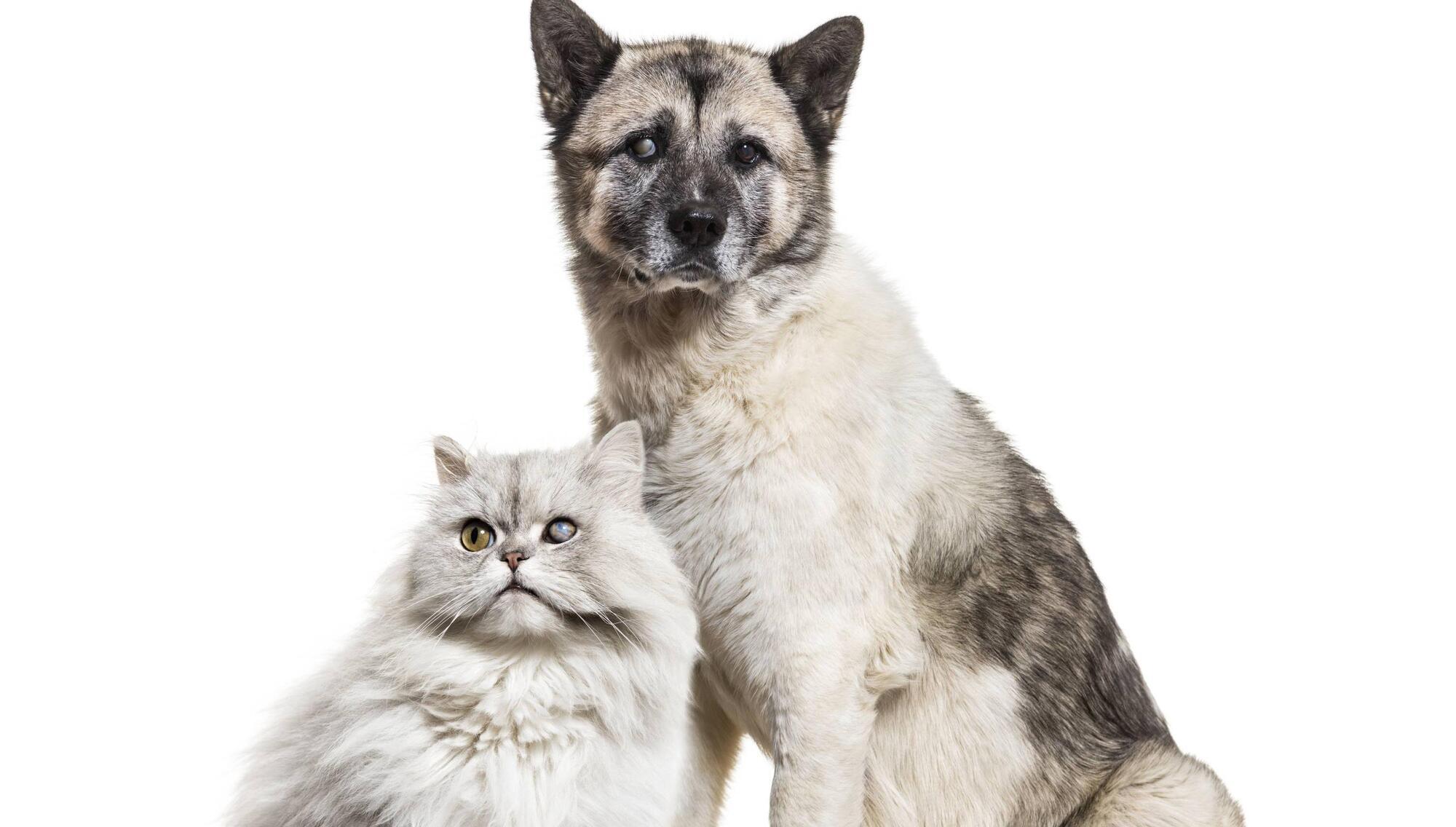
Vision is important for any living creature: especially for cats and dogs.
Vision is one of the most powerful senses for humans, so we feel sorry for other creatures when they lose their sight. And while vision is, indeed, important to animals, dogs and cats have greater reliance than us on other senses, such as smell, hearing, and touch. Animals can adapt well to the loss of vision, especially when it happens gradually. Nonetheless, blindness is a significant issue in animals, and it’s common, especially in older pets.
If blindness develops gradually (for example, slowly developing cataracts), owners may be unaware of the problem because pets can be so good at covering up. In contrast, when sudden-onset complete blindness happens (like some types of retinal disease), animals can become confused and distressed, and the blindness is far more obvious.

Blindness can be partial or total. Since animals cannot complain to us about fading vision, it’s up to owners to suspect that there may be an issue by observing their behaviour.
Typical signs include bumping into objects in the house, or on walks, especially in low light conditions, such as dusk. Signs are more obvious if the furniture is moved to a new location: pets learn the geography of the house by memory, but if a new obstacle is put in their path, they are taken by surprise.
Some owners may notice that dogs may stop being able to retrieve objects that are thrown for them. Other times, an owner may notice that their pet's eyes look different: cataracts cause the centre of the eye to have a white appearance, and in other types of blindness, the pupil may be widely dilated, causing one or both eyes to look black because of the enlarged size of the pupil.
You can do some simple home tests if you think your pet may be blind. You can check the Pupillary Light Reflex (PLR) by shining a bright light directly into the eye: a normal pupil should rapidly constrict to a pinpoint. If the pupil remains widely dilated, this suggests that there’s a problem.

You can also check the 'menace” reflex: if you push your hand rapidly towards an animal’s eye, they should blink. If there is no blink when you do this, there’s a strong suggestion that the animal cannot see your hand.
Vets use ophthalmoscopes to look into the eye, allowing them to inspect all of the various structures, and this is the definitive way to diagnose what is going on.
There are many different causes of blindness. Most commonly, the issue is in the eye itself, but rarely, it can be caused by brain disease (such as brain tumours in older animals).
The three most common causes of blindness involve the front, middle or back of the eye and involve the following:
- A physical obstruction to vision at the front of the eye acts like a blind being pulled down over a window. The transparent surface layer of the eye —the cornea — can lose its transparency. It can turn brown/black due to pigment accumulation after long-term inflammation or scarring, after damage to the eye, and there are some internal diseases of the eye itself that can cause the cornea to turn milky white. Either way, if light cannot pass through the cornea, the result is blindness.
- A physical obstruction to vision in the middle of the eye also blocks light from passing through. This is where the lens is located. Like the cornea, the lens is normally transparent, but if its protein structure degenerates, it turns opaque (in the same way as the transparent white of an egg turns solid white when the protein is changed as an egg is cooked). When the lens turns opaque, this is known as a cataract. The most common cause of cataracts in dogs is diabetes mellitus, but they can develop for other reasons. Blindness caused by cataracts can be completely cured by surgical removal of the opaque lens, which is pricey, at over €2000, but highly effective. Many people suspect that their older dog may have cataracts when, in fact, their dog has a common, less serious problem called 'nuclear sclerosis': only the centre of the lens turns grey. It's rare for this to cause blindness and no treatment is needed. If you are worried, talk to your vet: they can make the distinction between this condition and cataracts.
- Damage can occur to the back of the eye, the retina, which is the light-sensitive nerve layer that receives the light images, sending nerve impulses to the brain. Diseases of the retina include progressive retinal atrophy (PRA), detached retina (where the nerve layer separates from the back of the eye), and a condition called sudden acquired retinal degeneration (SARD).
Sometimes blindness can be caused by conditions that affect all three layers of the eye: examples include glaucoma (the internal pressure of the eye increases, causing damage to the whole eye), and trauma (when bleeding inside the eye increases the internal pressure of the eye, causing generalised damage in a similar way to glaucoma). Internal bleeding in the eye can also happen spontaneously, without trauma, in conditions like high blood pressure (a common problem in elderly cats).
While some causes of blindness are not treatable, others can be helped, either by your own vet or after referral to a specialist eye vet.
If your pet does end up permanently blind, they can still have a good quality of life. You do need to keep their environment consistent so that they learn their way around. Keep furniture in the same place, feed them in the same location, and take them on the same route on walks every day. Many pets are able to have contented, happy lives, despite partial, or even complete, blindness.