'Smaller companies have to pioneer this': Three Irish brands making a green scene for kids
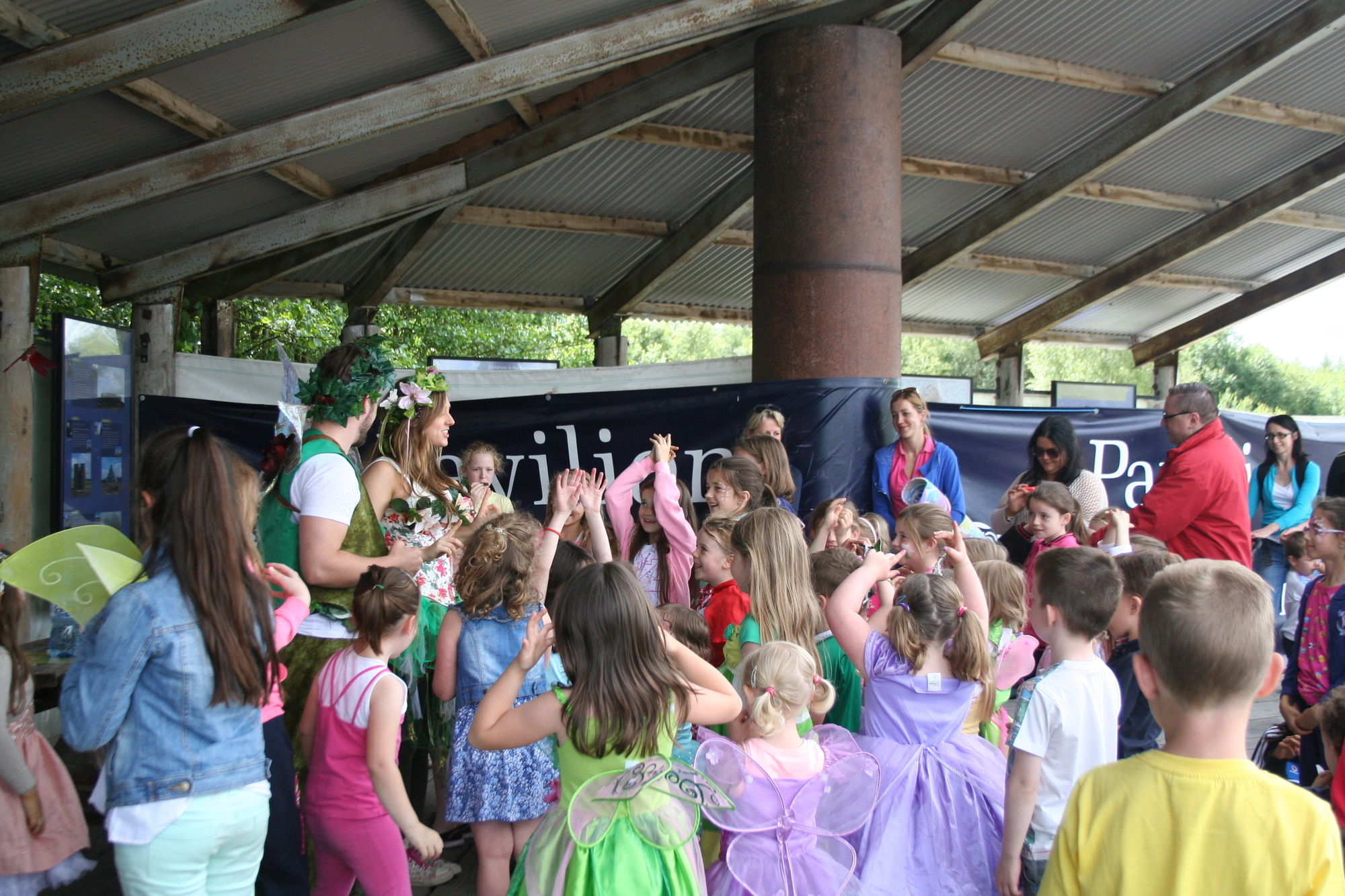
The 2018 IPCC Report on Climate Change had just launched and Dublin mum Sharon Keilthy really wanted to do the right thing by the environment – and by her then four-year-old daughter, Ava: she wanted to buy her a plastic-free toy that hadn’t been shipped 22,000 miles from China.
Keilthy came home empty-handed and disappointed, having discovered how hard it is to do the right thing. “I had this moment of realisation: If what’s on the shelf isn’t eco-friendly, how can we expect people to make the right choice?
Unwilling to buy Ava “plastic wrapped in plastic, wrapped in yet more plastic”, Keilthy realised it’s essential to get the eco-friendly option on the shelf – and to work towards making it the only option. With 80% of toys made in China and 90% from virgin plastic, she saw the toy industry as “a great place to jump in” to help the environment.
Her eco-friendly formula came down to ‘plastic-free’ and ‘made locally’. Plastic-free to shift toys away from the “messy truth of petroleum” – from which plastic’s made – the destructiveness associated with exploration, drilling, fracking, pipelines, oil spills, disputes with native peoples. With very few Irish-made toys – plus they’re expensive – ‘local’, she found, means made in Europe.
CLIMATE & SUSTAINABILITY HUB
Keilthy began selling eco-friendly toys at the market in her local St Anne’s Park, Raheny. Two and a half years on, her company, Jiminy.ie (named for Pinocchio’s conscience, Jiminy Cricket), is Ireland’s biggest eco-specialist distributor of kids’ art supplies, crafts and toys. Stocking over 500 items, they’re 93% entirely plastic-free.
“The other seven percent’s mostly plastic-free but contain bits of Velcro or tiny bits of shrink wrap.”
Keilthy sees a switch to bio-plastic as a big, relatively accessible, opportunity for the toy industry to get more sustainable. Made from plants, bio-plastic’s carbon footprint is neutral/negative.
Jiminy.ie sells online and supplies 45 shops around Ireland and the UK. “We’re not here to get rich, but to solve a problem, to make the toy industry sustainable. The smaller companies have to pioneer this – so consumers start to be more demanding of toy shops.”
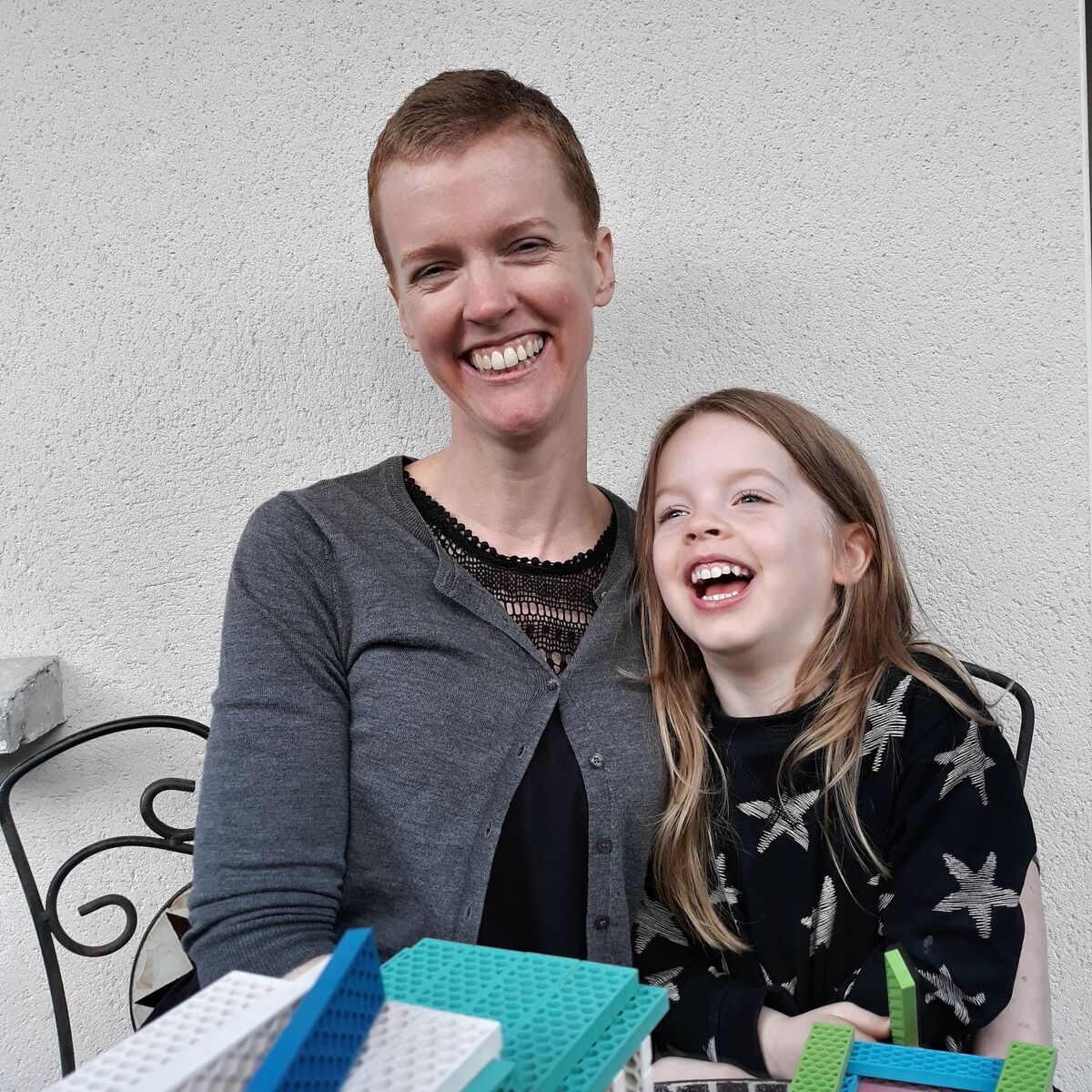
A Dublin company has created a range of environmentally-friendly cut-out jungle animals – and it all started when a six-year-old fell in love with the Dulux dog.
Ronan Conway, MD of P+D – a large format printing company in business for over 50 years – says Georgia Lloyd, daughter of the company’s operations manager, provided the inspiration for the Cardboard Jungle range of eight animals.
“She saw a 3D stand-up of the Dulux dog. She fell in love and demanded her dad make more. We came up with the concept of colour-in animals, waist-high on an adult and we tested them all on our own children,” says the dad of two sons, aged seven and five. He adds that the Covid-impact over the last year also led to a wish to explore new opportunities.
P+D is an approved FSC (Mark of Responsible Forestry) ‘chain of custody’ supplier, assuring customers that products have been produced using responsibly-sourced paper and board. This eco-consciousness follows through in their Cardboard Jungle brand.
“Materials used come from responsibly-managed forests that provide environmental, social and economic benefits, and are 100% recyclable. The Cardboard Jungle range is produced in Ireland,” explains Conway.
Featuring tiger, giraffe, elephant, hippo, rhino, deer, camel and gorilla, there are plans to design more, including a lion and zebra. Whichever animal’s chosen, each pack has a booklet with fun, educational facts about the animal – including information on why this animal matters, its importance in the eco-system – the cut-out of the animal and child-friendly instructions on how to make the Cardboard Jungle animal.
Children are encouraged to design their own unique version of each animal using whatever colours/patterns they want.
“Cardboard Jungle will spark creativity, keep kids busy and off screens,” says Conway.
- https://www.cardboard-jungle.com/; https://www.instagram.com/cardboardjungleinsta/; https://www.facebook.com/cardboardjunglefb.
Typically attracting over 100,000 visitors annually, Lough Boora Discovery Park recorded 85,000 visitors last year despite the pandemic.
Developed by Bord Na Móna over 25 years, the 2,000 hectares of regenerated Co Offaly bogland was once a hive of bog-harvesting industry. “Now, it’s an open free space that’s seen an absolute transformation of habitat and environment,” says Thomas Egan, a founder and manager of Lough Boora Discovery Park.
“It’s a paradise for biodiversity, a real sanctuary for nature,” he explains, citing the 2012 BioBlitz when ecologists recorded 940 species over 24 hours.
Egan says young families represent the “main core” of visitors.
“The park’s a mix of nature traversed by walks and cycling paths – easy, flat terrain means you can cover a bit of distance. As we move across the seasons, local children come to view the changes in the flora. It’s very exciting in May – bog cottons starting off, early orchids coming up. It’s full of colour – everything waking up.”
Lough Boora’s outdoor sculpture park has been listed as one of the world’s top 10 such parks. It uses materials naturally found on-site or linked to the industrial heritage of bog-harvesting. Sculptures such as a large stone pyramid and a range of painted-up industrial trains scattered through the park – one done up as Thomas the Tank Engine – really attract children into nature.
“They’re drawn by the trains but at the same time they’re interacting with nature at its best.”
Lough Boora features a large-scale fairy trail, development of which was helped by a local craft-maker, who works with willow. The Irish Fairy Door Company was also involved.
“In among birch and willow trees are paths cut through where children find these little fairy havens,” says Egan, adding that schoolchildren who participate in guided tours available at Lough Boora “leave with rich knowledge of nature and biodiversity”.


CONNECT WITH US TODAY



Be the first to know the latest news and updates