Naoise Dolan: Debuting my novel in a pandemic has taught me a few things
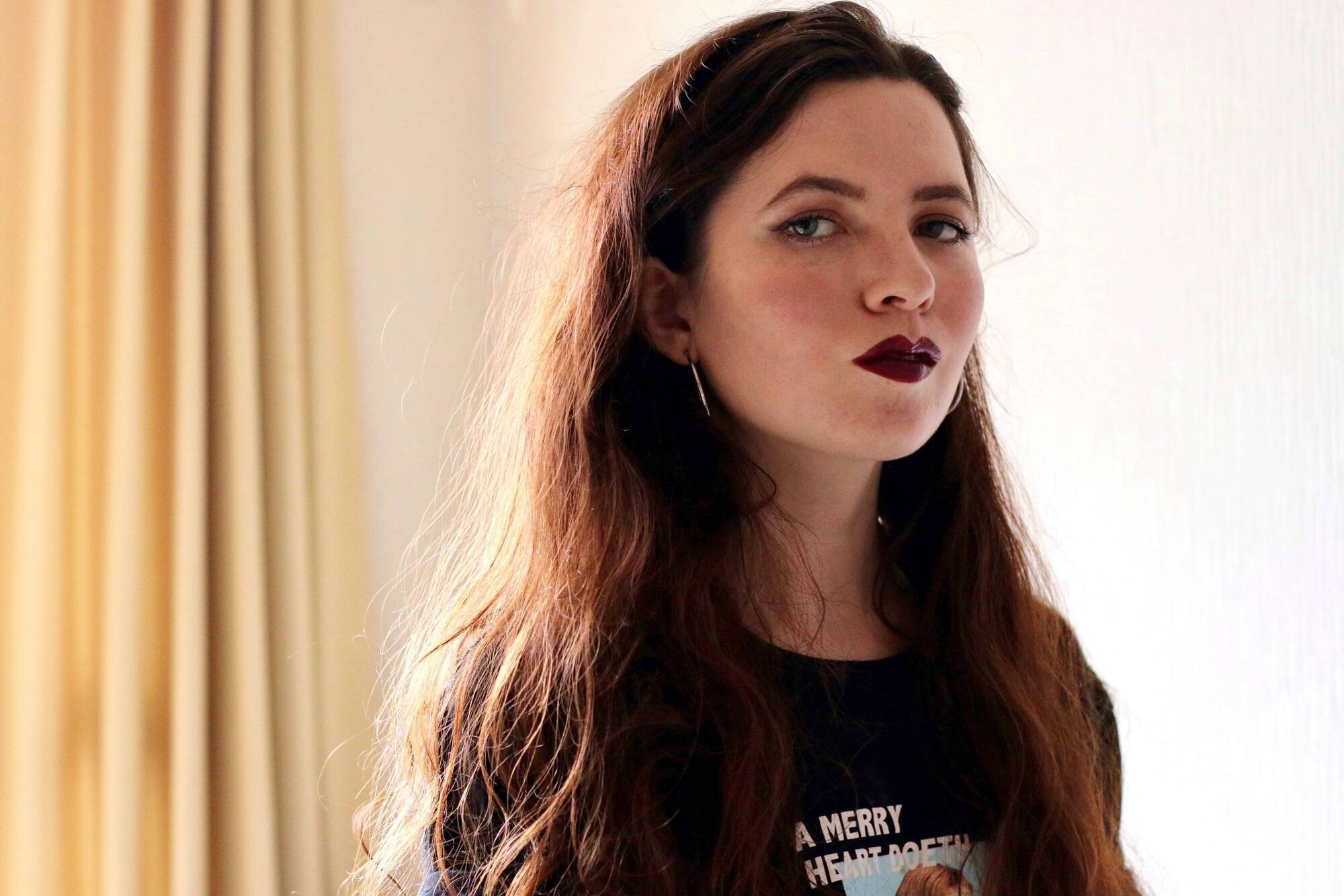
I was excited to immerse myself in a literary scene that bore thankfully little resemblance to the pretentious coterie I’d had in my head. 2020 had other plans...
Naoise Dolan: Debuting my novel in a pandemic has taught me a few things

Naoise Dolan

Before coronavirus I’d never had a literary community, and vaguely envisaged them as consisting of four black polo necks, three mandolins, and one poet in a beaded hat. The literati of my imagination convened in the dark, filled someone’s grandma’s antique chalices with liquor brewed in her equally antique bath, and felt more antique than any of that themselves with the head on them the next day.  I still don’t have a literary community unless you count typed interactions with anxious people on Twitter. Which, as it happens, I do.

I’d had two physical interactions with the Irish literary scene before my debut novel came out in 2020. The first was my publisher’s dinner in the winter of 2019, where everyone was kind but I was too frazzled to take much in. Then in February 2020, when the virus still hadn’t hit Europe, I was unexpectedly but delightfully offered a place on an artists’ residency in Cill Rialaig, Kerry, at the edge of a cliff. My dad drove me since I still can’t drive myself. I slept under the rafters of a pre-Famine cottage, read my work aloud for the first time to a circle who either were engaged or made good engaged faces, and met lovely writers I’m still in touch with — not least Danielle McLaughlin, who spared my father another trek by dispatching me back at the train station. I invited everyone to the launch of my book in April, and was excited to see them all again, to meet more people, to immerse myself in a literary scene that bore thankfully little resemblance to the pretentious coterie I’d had in my head.

I don’t need to tell you that 2020 had other plans.

 Naoise Dolan
 Naoise Dolan

Writers have always kept more remotely from one another than the romantic imagination admits. Literary scholars speak of ‘influence’ between authors who would not have recognised each other on the street. We humans are not so different from one another and it is likely that two artists working at the same time will tap into similar concerns. But when two books converse, that link can seem so magical that it’s difficult not to imagine the ideas forming in a room with the chalices and the mandolins and the polo necks and all the rest of it. Novels break through loneliness to extend us a hand, and in our own isolation we want to think there’s a group behind it all.

There is a literary community, but it’s primarily one of ideas. It’s virtual, cuts through borders and crosses time, and that makes it superbly democratic.

There are, don’t get me wrong, physical literary events. I’ve never been to one in Ireland, but I probably will go when restrictions lift. I’m looking forward to it and I hope I’ll benefit as much as I did from my time on the cliff. (I also hope I won’t fall and die, an omnipresent aspiration of mine that was particularly prominent on said cliff.) But while panels and wine reception slander seem like great fun, what gives literary events a meaning beyond ‘people in a room’ is the time we’ve already spent with the speakers’ work.

The community gathers after having approached the product of someone else’s time and focus, and after having granted it that same time and focus. (If they’ve read it. Far be it from me, of vestal exposure still, to say I’ve heard dark insinuations that people at festivals who claim to love your work are occasionally being economical with the truth.) I’ve met many brilliant writers in the Zoom events I’ve done this year, and I don’t think any of them would mind my saying that talking to them pales in comparison to reading them. It’s not that authors are worse at talking than writing (with the exception of me, who should be banned from talking for life), it’s that the quality of attention I’m able to pay to their written thoughts is in another stratosphere to what I can give them face-to-face. When I’m alone and take my time with someone’s sentences, when in privacy I can feel and think without shame or reservation, that’s when my mind joins theirs. And that connection is available to anyone who reads their book.

Debuting in a pandemic has taught me a few things.

First, mute yourself on Zoom at joint readings, or else your flatmate will interrupt another writer’s emotional deluge to ask if you ordered a burrito. (You didn’t, and will discover the tenants next door are away when you leave the bag outside and two weeks later it’s a biohazard.)  

Second, social media bonds don’t have to be less ‘real’. They can be if you’re projecting too much onto people you don’t know. But if you would have said hi or congratulations to an author in person, saying it on Twitter can still brighten their day.

Third, I’d never had a literary community because I’ve always had one. As a lonely, anxious eight-year-old reading Adeline Yen Mah’s Chinese Cinderella with a torch under my duvet; as a closeted queer teenager devouring Philip Roth, the one writer better than the Irish at guilt; as a young adult moving to London with a mental map already drawn by Dickens and Zadie Smith; I never needed physical events to access shared experience. Nor did I need to go to Kerry, but the sunsets were something else.

  • Exciting Times by Naoise Dolan is published in paperback by Orion, €9.99

More in this section

Lifestyle

Newsletter

The best food, health, entertainment and lifestyle content from the Irish Examiner, direct to your inbox.

Cookie Policy Privacy Policy Brand Safety FAQ Help Contact Us Terms and Conditions

© Examiner Echo Group Limited