Author Sebastian Barry: 'I didn't read or write properly until I was seven or eight'
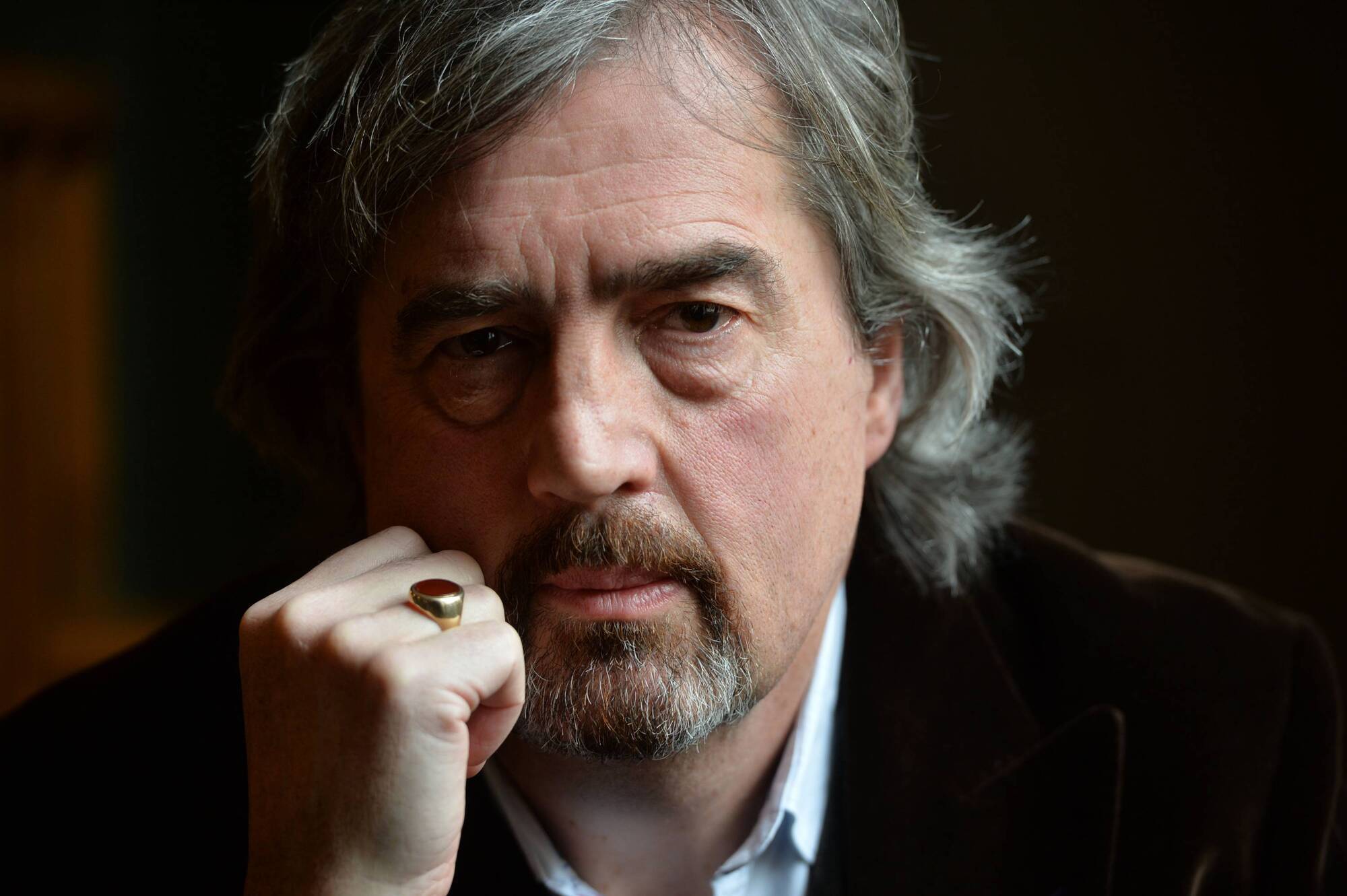
Sebastian Barry.
Sebastian Barry, 65, is Laureate for Irish Fiction 2018-2021. He grew up in Monkstown, Dublin.
His mother, Joan O’Hara, was one of the most notable Irish stage actors of her generation and a cast member of Fair City.
Barry’s body of work includes the landmark stage play The Steward of Christendom (1995) and he is the only writer to have twice won the Costa Book of the Year prize for The Secret Scripture (2008) and Days Without End (2016).
His latest novel, A Thousand Moons (Faber) is available now.
I didn't read or write properly until I was seven or eight. I had stories read to me by my mother. I realise now how deeply implanted in me and my work are the stories of Beatrix Potter. Even when I read them now – I read The Tale of Mrs. Tiggy-Winkle at a reading recently – I can see how incredibly well written they are. There's a reason why she makes such an impact on a child. The absolute clarity of her writing.
The Tale of Mrs. Tiggy-Winkle is an elaborate story about a hedgehog. There are beautiful touches in the story. Lucie, a little girl, is looking for an item of clothing and shoes. The hedgehog is a washerwoman. At the end, Lucie sees Mrs. Tiggy-Winkle running down the hill without her apron on and she realises that Mrs. Tiggy-Winkle was nothing but a hedgehog. It used to kill me as a child. At some level, it still kills me. We are nothing but hedgehogs, really, underneath our costumes.
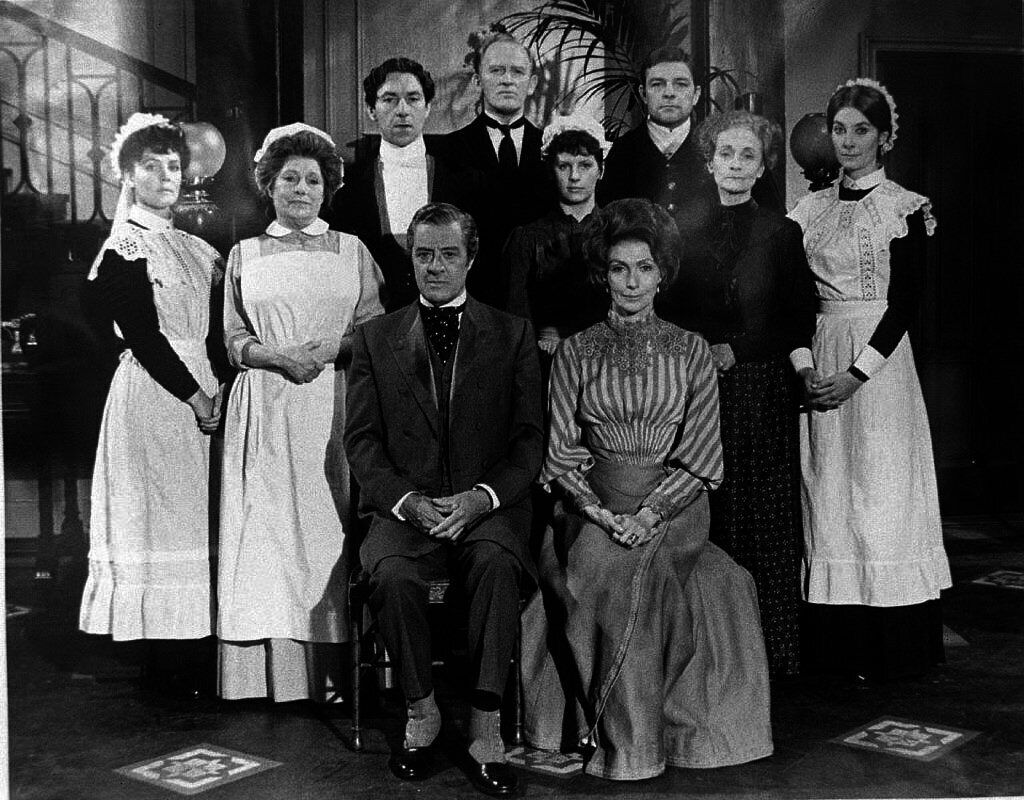
One of the things I loved on TV when I was in my late teens was Upstairs, Downstairs. There’s no getting around it. I was so invested in it. It was a huge thing: the idea of those people down in the basement of a house. We lived in a Victorian mansion ourselves so I think there was a feeling that they could be downstairs, or upstairs as it were – we all positioned ourselves in the servants’ quarter of the house for some reason.
Growing up, I loved CS Forester. He wrote books about sea like Mr. Midshipman Hornblower and novels like The Gun. They’re sort of adventure stories. I can see it in my novel Days Without End – the idea of giving yourself over to pure story where you're on the edge of your seat to see what happens next. That has been ignored so severely by the modernists. There's a thrilling sense of transgression in going back to it. I was really passionate about him.
Later on, Joseph Conrad hit me like a ton of bricks. When I went to Paris after university, I kept reading him and Anthony Trollope. It’s almost like robbing trains. There's the Conrad train. There's gold in the caboose. I'm gonna get some of that gold. I'm gonna steal it and spend it for myself. I can see that in my work. His habit of giving you a clear, piercing, overwhelming sense of landscape and then going to the people in the landscape. That's what I loved about it, and the beauty of sentences made by a man that didn't speak English until he was 30.
I went to see Conrad’s grave in Canterbury. It’s a little Catholic graveyard in the midst of all that grand Protestantism. I have books signed by his wife, Jessie, who I find fascinating. People said she wasn’t worthy of Conrad, but they were perfect together. She wrote two memoirs about being with him, which are very honest, very revealing. You feel you’re sitting in the room with Joseph Conrad. She has no interest in prettying it up.
She talks about his mental condition. It was a miracle he lived as long as he did. He was so tense. He never went out. He didn't believe in exercise; hence his passing so young. She was denigrated like Mrs. Charles Dickens – who I did write a play about called Anderson’s English. All of Conrad’s friends thought she was common, but she was sine qua non for Conrad’s ability to keep going. He loved and protected her.
A play that shook me to my core was a production of Harold Pinter’s No Man’s Land with John Gielgud and Ralph Richardson. I saw it around 1975. In the later part of his life, I had a brief friendship with Harold Pinter, which I was very proud of. He sent me a beautiful letter about some of my books out of the blue. I had seen a lot of theatre, but I hadn’t a blind notion what No Man’s Land was about when I saw it because it was about grown-up things, and I was still only a young idiot, but Gielgud and Richardson – my God, the luck of working with people like that.
My third Laureate of Irish Fiction lecture is about my mother and the 10 years in childhood that makes the writer. It doesn't matter about the actual details themselves. It's all universally interchangeable, but something happens to expand you or hurt you into being a writer or an artist. Being that bit older, you're not doing it for revenge or blame, but just to be completely “disinterested”, an interesting word Matthew Arnold recommended for everything in life – just look at it disinterestedly. It doesn't mean you don't have interest in it. It means you're not emotionally affected by what you're writing. You must be honest.
My mother was a good actor, but it was beyond that – people like Olwen Fouéré and Gabrielle Reid worshipped her. She did a Polish play one time, which was incredible. It was a wild play. It won awards, including at the Dublin Theatre Festival. It was quite something to go and see your mother masturbating openly on stage. She was so up for it. She was a fearless woman. There was no topic, nothing that could offend her.
My play Our Lady of Sligo is supposedly about her mother, my grandmother. It was composed from stories she told me about her mother. I never met her mum. Sinéad Cusack played the lead role rather appropriately in a wild sort of way. My mother went in to the Gate Theatre where it was on. She wouldn't go and see the play. She wouldn’t dream of it, but she went to see Sinéad afterwards. She would go and see the actor; never mind the play: “Sure it’s only something you wrote, Sebastian.” At one stage, she went down the steps to the bar and a woman coming up the other way said to her: “It’s a disgraceful play. That poor woman in Sligo, and I blame you, not Sebastian!” Oh my God, you couldn’t say anything more thrilling to her [laughs].