Colman Noctor: Act of kindness can help a child who finds it difficult to make friends
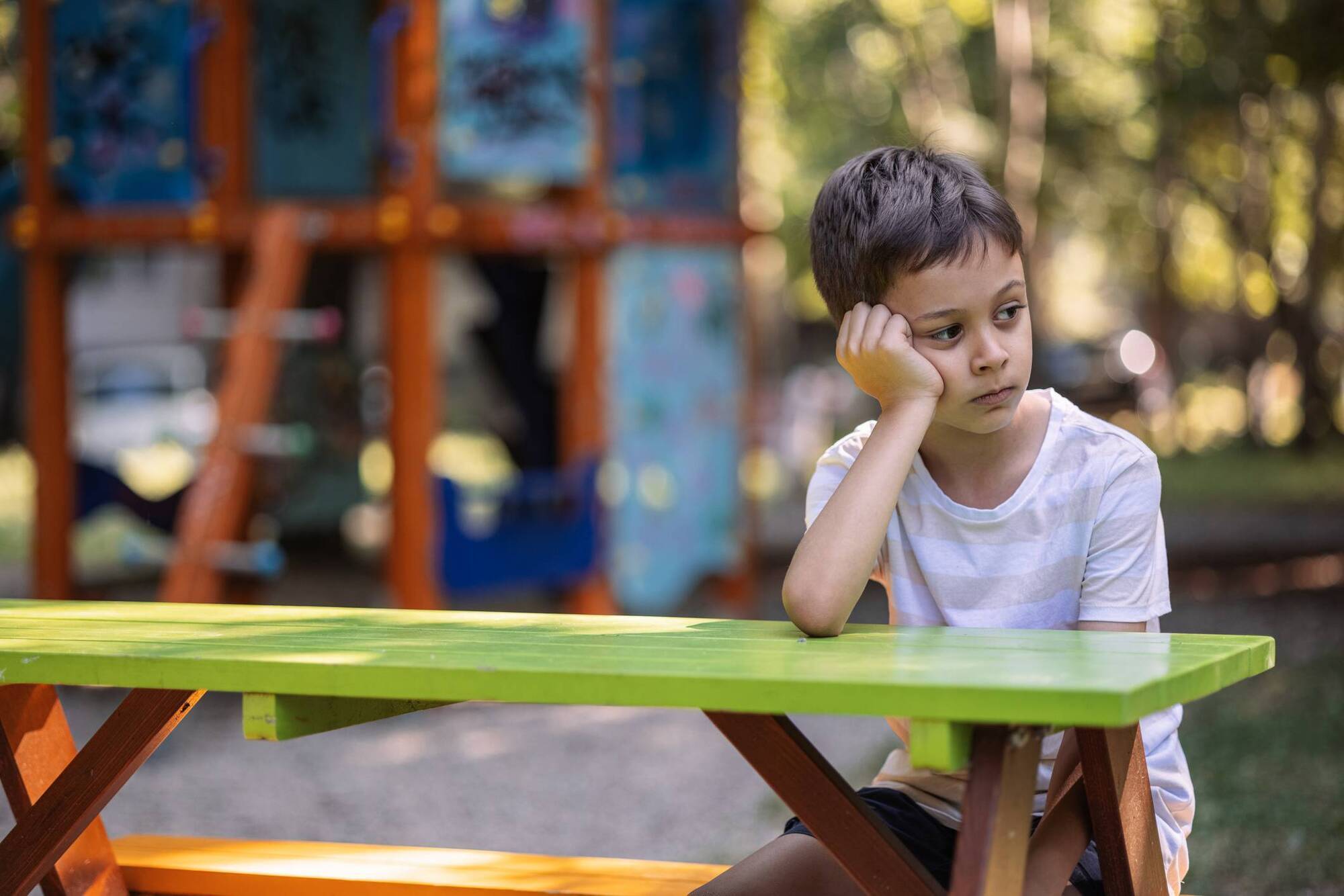
Colman Noctor: Not ever child who spends time alone is lonely. Picture: iStock

Parents whose children make friends relatively easily often don’t fully appreciate the challenge of supporting a child who struggles socially. Some may advise: “They just need to put themselves out there” or “why don’t you sign them up for something?”. These suggestions sound straightforward but not for the child who stands awkwardly at the edge of every group, trying to work out how to be noticed or how to join in.
Sometimes our role is not to find a solution to their loneliness, but to support our children through it without letting it define them.
Childhood social hierarchies are remarkably temporary.
I have known quiet second-year students who flourished during the transition year reshuffle, and socially awkward 17-year-olds who found their tribe at college. The teenager who never fit comfortably into the dominant school group, but discovered friendships through a part-time job and other young adult communities.
Today’s experience need not become tomorrow’s prediction, which brings me back to the inclusivity theme that has run through this three-part series.
No one receives trophies or CAO points for being kind. Nobody receives a medal for noticing the child standing at the edge of a group. Perhaps, though, one of the most valuable lessons parents of thriving children can teach is that success isn’t only about how many points, medals, or friends they accumulate. It is also about how they treat those who struggle at school, on the pitch, or in social settings.
It simply requires you to teach your child the value of gestures that sometimes seem very small.
- Colman Noctor is a child psychotherapist

CONNECT WITH US TODAY



Be the first to know the latest news and updates