Colman Noctor: Finding a place on the team for children of all abilities
There is a difference between occasionally experiencing disappointment when you are old enough to understand it and being repeatedly told you aren’t good enough at a very young age.
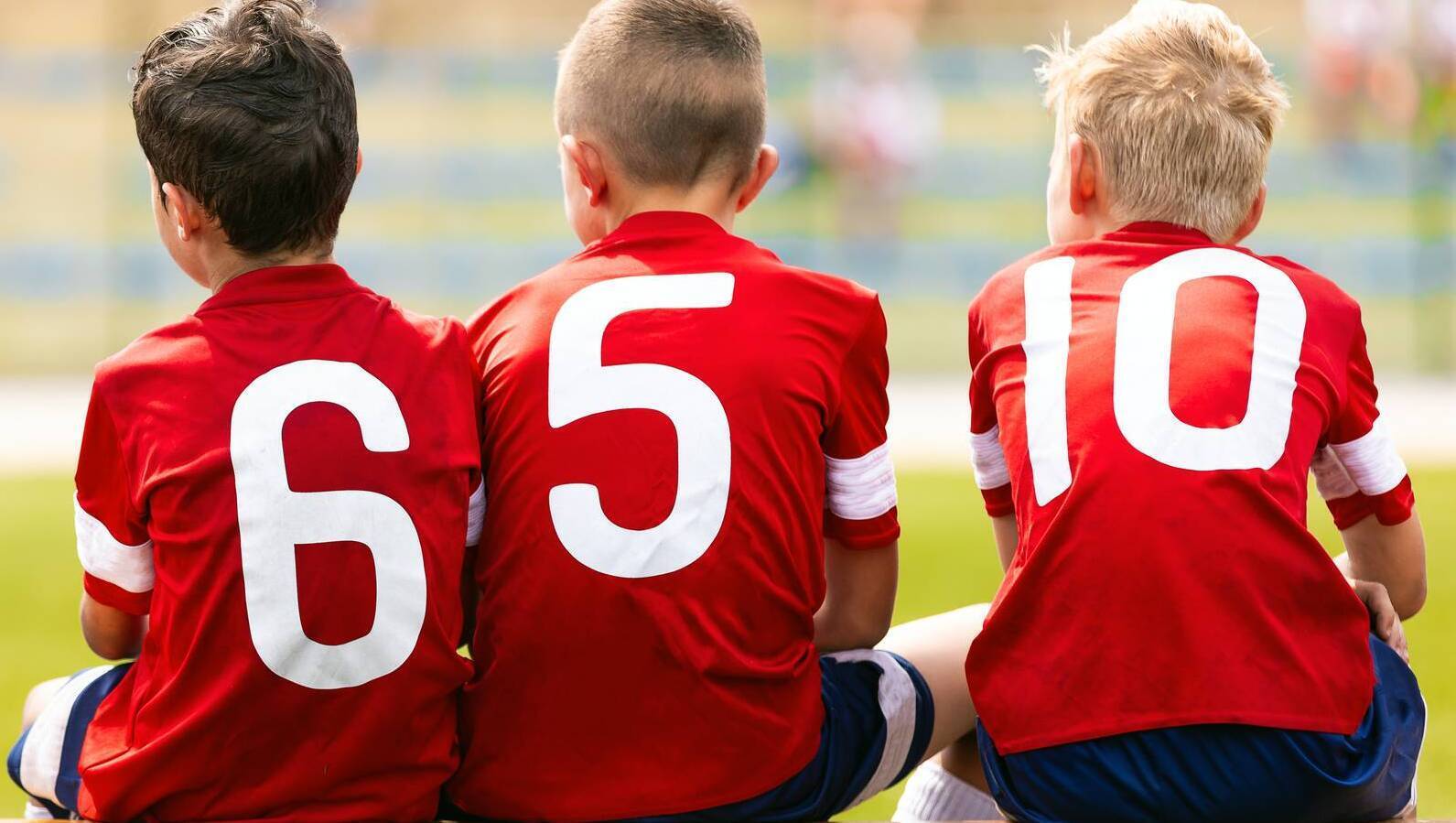
Some children are left on the bench, even though their goal is simply to be part of a team, just like the players who get more game time. Picture: iStock

Some children are left on the bench, even though their goal is simply to be part of a team, just like the players who get more game time. Picture: iStock

If your child is naturally athletic, loves sport, and is regularly selected, the benefits of competition are easy to see. They get picked, receive plenty of game time, coaches notice them, and other players pass to them. They may even be invited to development squads or county trials. They also thrive on competition, and it gives them something to strive towards. As their parents, you also get to experience one of the genuine joys of watching your child do something they love and are good at.

But on the same sideline, another parent is likely having an entirely different experience. Their child is on the bench again, and another game passes by without them getting on.

Their journey home consists of questions like “Why does he play even though he misses training?”, “Nobody passes to me”, and “Am I that rubbish?”.

That parent hears the well-worn opinions on children’s sport, such as “kids need to learn that life isn’t fair”, “not everyone can make the team”, and “they need to toughen up”, very differently from the parent of the child who gets to play.

Some of these views contain a modicum of truth because children do need to experience disappointment and learn that somebody else will sometimes be better than they are. Resilience cannot develop in a world without setbacks.

But there is a difference between occasionally experiencing disappointment when you are old enough to understand it and being repeatedly told you aren’t good enough at a very young age. Some coaches and parents struggle to keep this distinction in mind.

It’s often assumed that less-talented children aren’t interested and would rather be somewhere else. Yet many children who struggle in sport still love it. They wear the jersey, know every player on their favourite team, and attend every training session. They want to be part of the team just as much as naturally talented children — they simply don’t have the same ability.

Children’s sport also has a particularly unforgiving way of putting differences in ability on display. If your child struggles with maths, a large group of people don’t stand around a classroom watching them fail to complete an equation, whereas in sport the onlooking gallery sees the missed chance, the poor first touch, or the child who repeatedly loses possession.

Children know exactly where they sit in the sporting hierarchy. They see how coaches trust the strongest players and assign them to take frees and penalties, while weaker players have a very different experience. They make a run and call for the ball, but the pass never comes.

Research suggests these confidence-depleting experiences matter. A 2015 systematic review found that 36% of teens dropped out of sport because of lower perceptions of competence, poor relationships with team-mates or coaches, lack of enjoyment, and lack of opportunity to play.

Inclusivity in competition

Debates about children’s sport can easily become emotionally charged. We may think we are discussing competition, but parents are often talking from their own experience. The parent whose child is thriving sees everything sport gives them: confidence, friendships, ambition, and opportunities. But for the parent whose child is struggling, it may feel as though sport is slowly taking away those advantages.

We need to hold both realities in mind.

Inclusion doesn’t mean pretending that differences in ability don’t exist, or that every child must always play for the same number of minutes or receive identical opportunities regardless of ability. Most parents understand that expectations must change as children get older and sport becomes more competitive. But becoming more competitive does not mean that belonging becomes less important. If we invite a child into a sporting environment, at the very least, we should still try to ensure they have a meaningful experience of participating in it.

The same principle should apply to elite pathways. A child with exceptional sporting ability deserves opportunities to develop it, just as a gifted musician or artist child would.

The danger arises when the entire culture of children’s sport becomes organised around the relatively small number of children who might progress along those elite pathways. This is evident when an under-11s training session resembles one led by football manager Pep Guardiola, and when winning an underage match becomes more important than developing the children playing in it.

The question should not be whether we have elite pathways, but whether we can have pathways to excellence without narrowing the road for everybody else.

We need to acknowledge that the overwhelming majority of children involved in grassroots sport will not become elite athletes, go professional, or compete at high adult levels. However, their involvement in sport remains highly significant. A child who becomes a lifelong club player or continues playing five-a-side with friends at 45 is also a successful outcome of children’s sport, yet this is never celebrated.

Being a good team-mate

Being particularly talented gives children developmental opportunities that extend beyond becoming better players. The best player on a team can learn to pass to the weaker player, encourage a team-mate after a mistake, and tolerate being substituted without believing their ability makes them more important than everybody else.

Being a good team-mate is not an obstacle to excellence; it is an essential part of what sport should teach children.

As parents, we can also celebrate our child’s achievements without inadvertently contributing to a culture in which other children feel less valuable. This isn’t about false modesty. If your child makes a development squad, celebrate them; if they score the winning goal, enjoy it; and if they have genuine talent, help them pursue it. But perhaps be mindful that when you advocate a ‘school of hard knocks’ approach for children’s sport, the parent beside you may have spent the previous evening trying to persuade their child not to give up sport altogether.

The parent of the weaker child may strongly advocate for equal game time or for less emphasis on results, which can sometimes, from the perspective of a parent of a talented child, look like an attempt to dilute competition and impede their child’s development. Often, however, they are not asking for their child to be told they are the best, nor are they asking adults to pretend differences in ability don’t exist. They may simply be trying to preserve a place in sport for their child, who loves playing it.

Many positions exist between the ‘everyone wins a prize’ and the ‘win at all costs’ approaches. And challenging the ‘win at all costs’ approach is not about impeding the talented children’s progress, it’s about wanting your child to have an opportunity to be involved.

Competition and development are not enemies. We can challenge talented children without making less talented children feel disposable. We can create pathways to elite sport while also fostering meaningful efforts to preserve lifelong participation and teach children that losing is part of sport without allowing some to experience sport as a succession of disappointments.

If you believe strongly in competition, you don’t have to abandon that belief. Just recognise that the parent asking for greater inclusion may simply be trying to keep their child playing the game.

Ultimately, the child scoring all the goals and the child sitting on the bench arrived at the club wanting the same thing: to play, improve their skill set, make friends and be part of something.

So perhaps the measure of a successful children’s sporting culture is not only how far you can take your very best players, but how many of the others feel there is a place for them in your club.

  • Dr Colman Noctor is a child psychotherapist

More in this section

Cookie Policy Privacy Policy Brand Safety FAQ Help Contact Us Terms and Conditions

© Examiner Echo Group Limited