Dr Phil Kieran: How do I recognise signs of over-heating in my kids?
a
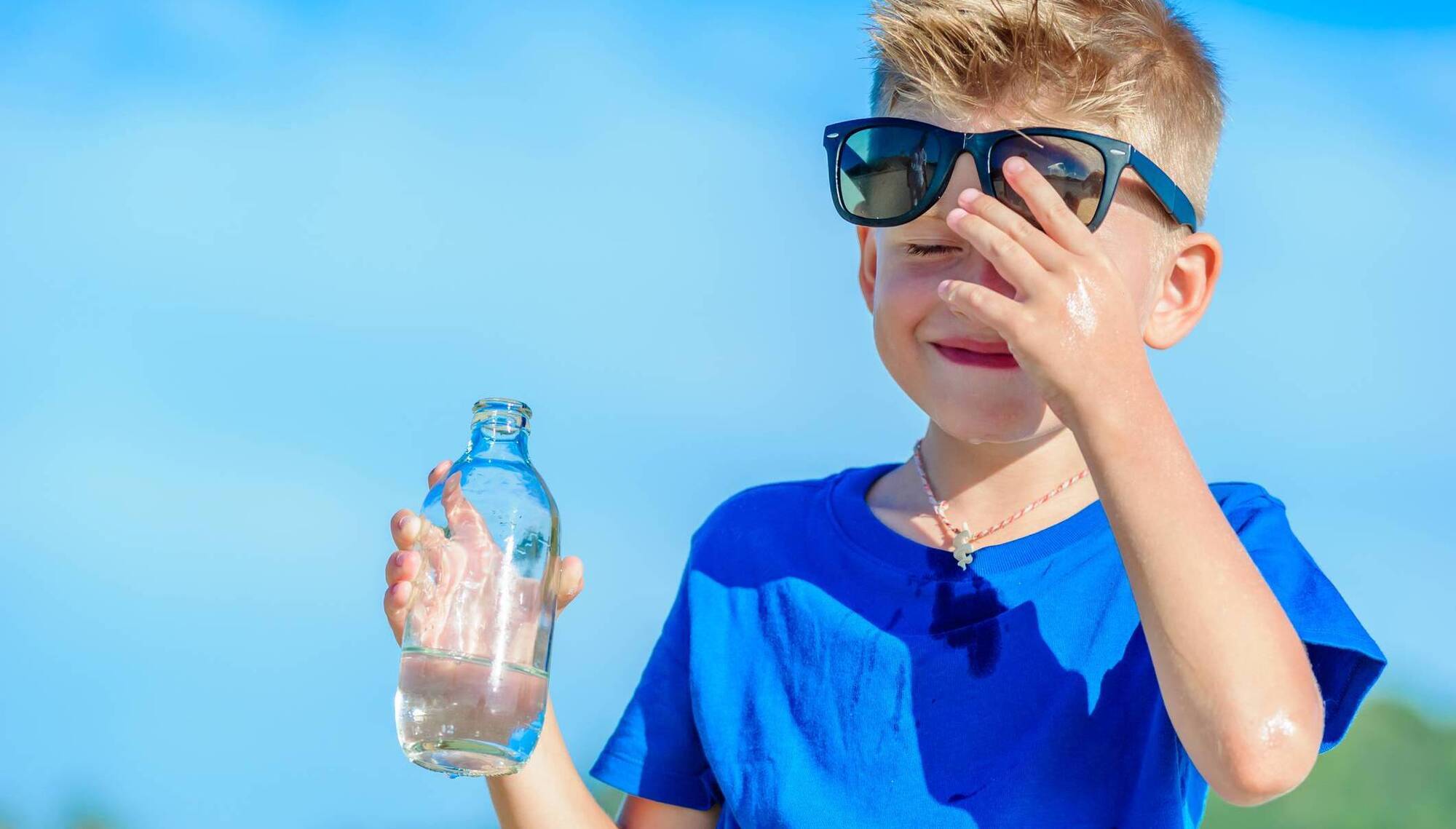
Portrait of a thirsty handsome boy in sunglasses drinking water on the desert tropical beach

Portrait of a thirsty handsome boy in sunglasses drinking water on the desert tropical beach

We’re heading to Portugal on holidays next month with our three-year-old and six-month-old children. We’ve been there before, and there’s usually an onshore breeze, and shaded areas are easy to find. However, given the summer that’s in it. I’m starting to worry about the possibility of heat stroke and dehydration. How can I recognise the signs, and what should I pack to keep them safe?

Keeping children safe in hot weather isn’t usually too much of an issue in Ireland, but going to hot countries is a bit different.

It’s helpful that you are aware of the risks.

In hot countries, dehydration and heat exhaustion are much more common risks than heatstroke itself.

The first thing to do is the most obvious — avoid going out in the hottest part of the day.

Make sure your three-year-old has access to drinks and is encouraged to drink freely. For the six-month-old, it is important to watch for any signs of dehydration, as they are too young to say they feel thirsty.

Darker yellow urine in the nappies, less wet nappies or a drier mouth are signs that they need to drink more. Other signs of dehydration to look out for include feeling crankier, looking flushed, or having a dry or sticky mouth.

Offer fruits like melon, which have a lot of liquid. When on holidays, I think the odd ice-cream or ice-pop can be allowed. This will cool them down and help keep up their hydration.

More serious than dehydration is heat exhaustion. This can show up as severe excessive sweating, dizziness, headaches, muscle cramps, nausea or fatigue. In this case, you need to cool the person down. Encourage them to drink cool fluids, remove excess clothing, and consider spraying them with cool water or sponging them down.

In most cases, this will improve the situation within 30 minutes.

Heatstroke is a more serious condition overall and is a medical emergency. With this, we see the body temperature continuing to climb. The affected person can become more lethargic, confused or irritable. If you notice that they have stopped sweating even when they feel too hot, if they start to breathe faster or complain of feeling short of breath or if they start to become very drowsy or lose consciousness, you need to seek emergency medical care. It probably goes without saying, but if they have a seizure or become unresponsive, call an ambulance.

Aside from staying safe in the heat, make sure you keep the Five Ss for sun protection in mind. Most of us know the Slip, Slap, Slop advice: Slip on clothing to cover the skin, slap on a wide-brimmed hat to protect your head and neck and slop on the sunscreen (I recommend SPF50+). The last two Ss are Seek shade, particularly if you have to be outdoors between 11am and 3pm, and lastly, Slide on a pair of sunglasses to protect your eyes from UV radiation.

People tend to run into trouble when they fail to take precautions.

The fact that you are aware of the issues and that you stay conscious of the risks means you’re already doing well.

Trust your instincts and be sensible about the heat. If you think your child is in trouble, you’ve done the tips above to cool them, and they aren’t getting better, then listen to your gut and get them checked out.

  • If you have a question for Dr Phil Kieran, please send it to parenting@examiner.ie or use the form below 

x

More in this section

Cookie Policy Privacy Policy Brand Safety FAQ Help Contact Us Terms and Conditions

© Examiner Echo Group Limited