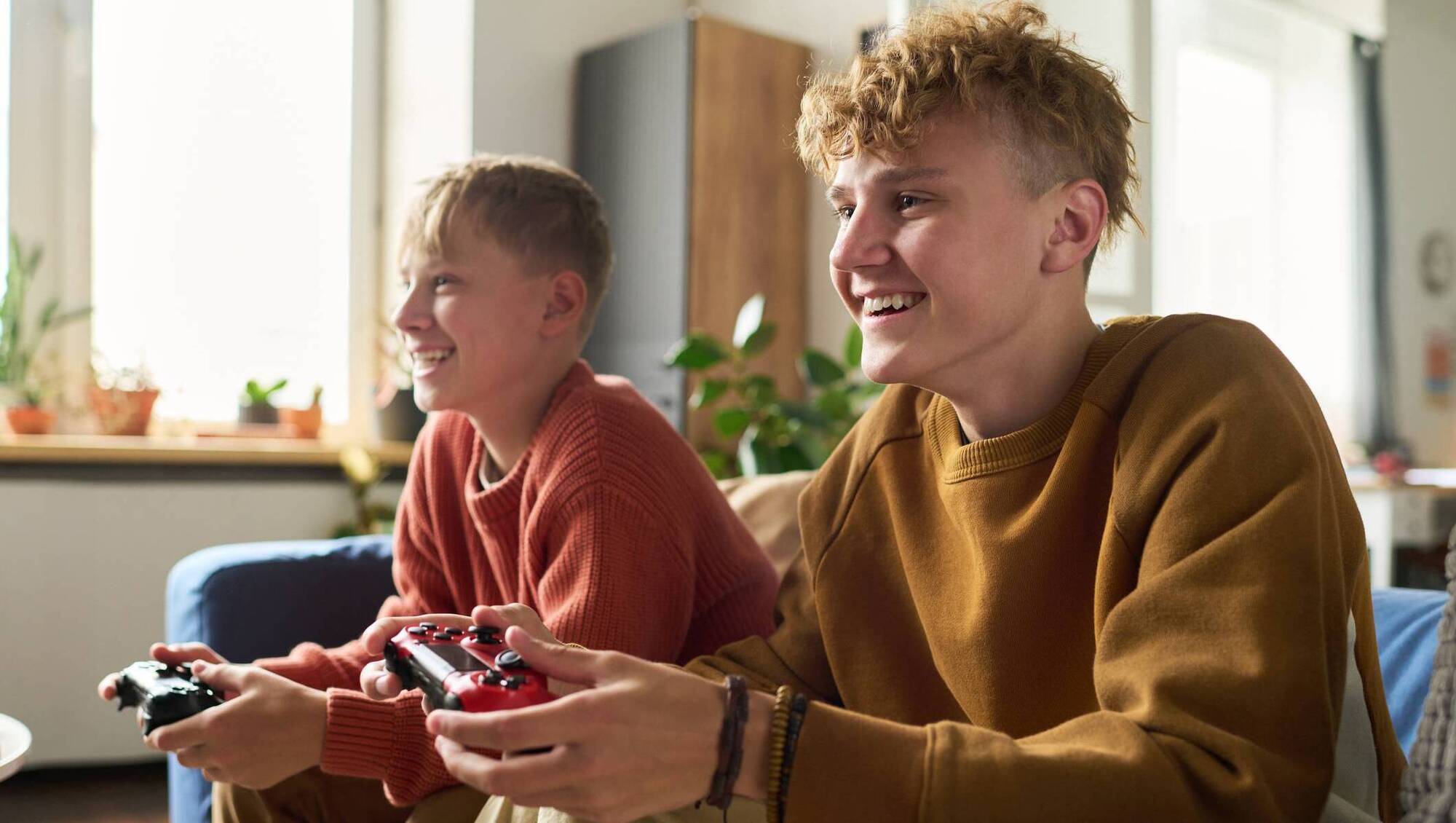
Joanna Fortune: My teenage boys are spending most of their time in bed or gaming
How do I get my kids to help around the house more?
Joanna Fortune: If you are more specific in what you are asking for from your kids you have a higher chance of success. Picture: iStock 

Joanna Fortune: If you are more specific in what you are asking for from your kids you have a higher chance of success. Picture: iStock 

I’m struggling to manage my two teenage children over the holidays. I’m a single parent who works full-time, so they are left to their own devices during the day. They spend most of their time in bed or gaming with their friends. They just about do the basics — empty the dishwasher and hang out clothes — but they moan or ignore me if I ask them to do more. It’s got to the point where I dread going home. I get some support at the weekends from their dad, but he has to travel for work, so he is rarely around during the weekdays. What would you suggest?

It can be very difficult for teenagers who are too old to attend a camp yet too young to get a job over the lengthy summer holiday break.

The key to helping them manage the summer break is to be flexible both in pacing and in expectations.

The demands of the school year often leave them feeling exhausted and in need of a break for the first week or two, but then some degree of structure is needed.

It’s infinitely easier to do this when you can develop a collaborative plan that they are actively part of devising.

I suggest sitting around the table together (consider having snacks on the table and a no-phone agreement for the 20 minutes or so this will take). You will likely have some “essentials” that are non-negotiable, such as physical movement each day (a walk, a swim, or outdoors for an hour); two household chores each day. Be specific because when you say something vague like help around the house, nothing will happen but if you say empty dishwasher, put dishes back in the cupboard, and refill with what is dirty, you are more likely to get the result.

I’d also suggest keeping “reasonable” bedtime routines as an essential, so that no one is still gaming at 2am. Then be flexible around what they feel they need. A lie-in is OK, for example, so long as they are up, dressed, and eating before lunchtime. Some increased gaming time is acceptable, once the chores and the outdoor time or movement also happen. Your children could also take on dinner duty one day a week.

I hear from many parents who are frustrated by how their teenagers “do nothing” all summer. I understand that frustration, but we also need to consider it from the teenagers’ point of view. Their brains are actively rewiring and developing throughout adolescence, especially early to mid-adolescence. This demands a lot of energy and can leave them feeling tired and flat, so they lean into what they call “relaxation” and what parents often call “doing nothing”.

Hold in mind that the teenage brain is wired for thrill-seeking and reward-oriented experiences. This mindset can lead to procrastination as everyday tasks are simply not rewarding or stimulating enough. That’s why you need to be very specific about what you want, as they will approach household duties with minimal engagement.

Doing nothing is actually doing “something” because it’s their way of unwinding, decompressing, lowering exposure to external demands like academic learning, and there is a value to that for the developing teen.

Clear, non-confrontational communication is key to surviving the summer holidays, as is tagging their other parent in on the weekends so you get some time to yourself.

  • If you have a question for child psychotherapist Dr Joanna Fortune, send it to parenting@examiner.ie or use the form bellow

More in this section

Cookie Policy Privacy Policy Brand Safety FAQ Help Contact Us Terms and Conditions

© Examiner Echo Group Limited