Asking prices for homes continue to rise amid record number of rental terminations
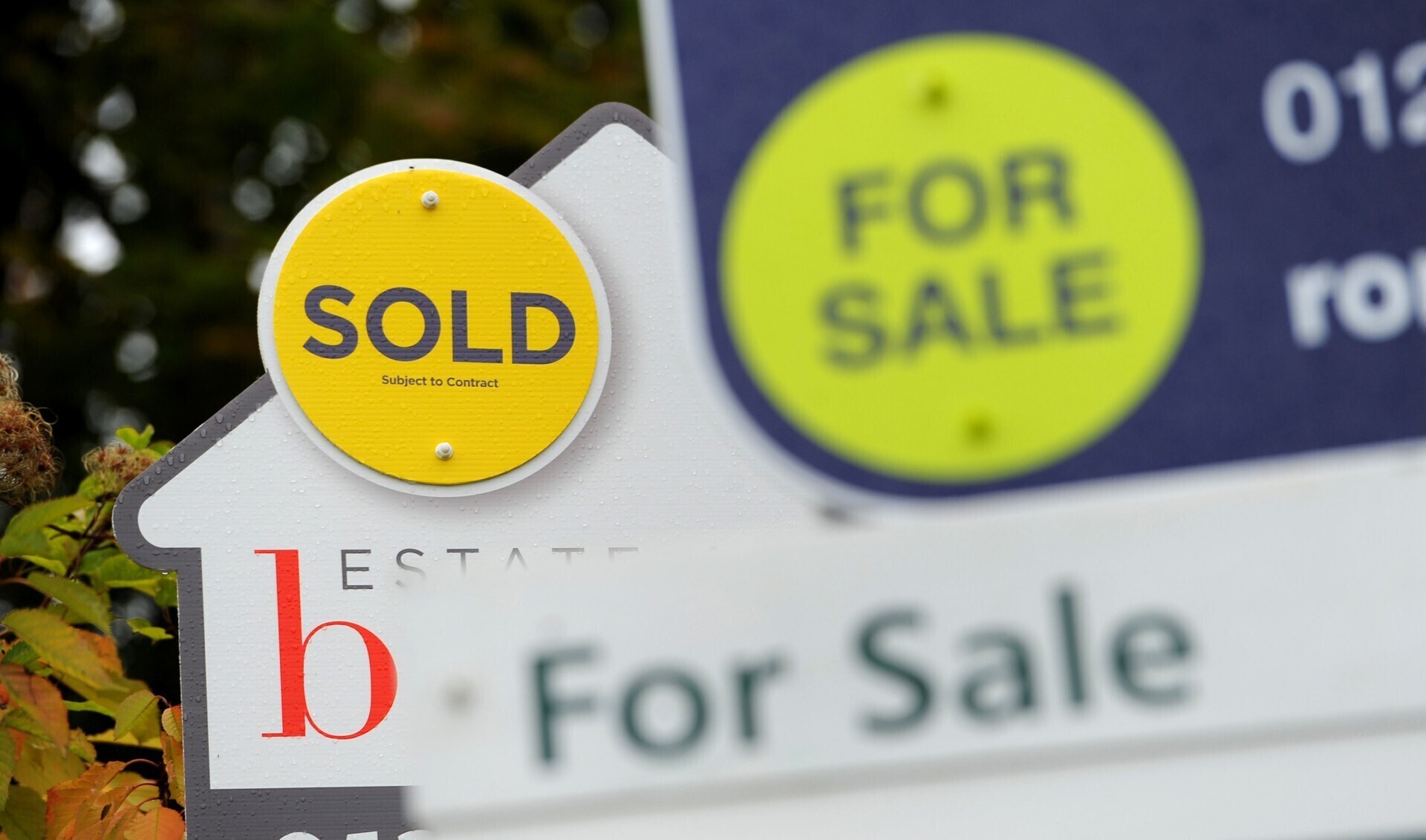
The property website MyHome said supply continued to improve with a 20% year-on-year jump in listings to 14,200. File picture: Andrew Matthews/PA
Property price inflation surged by 5% in the second quarter of this year but that failed to dissuade increased competition among buyers who are paying well above the asking price for their new homes.
Data from MyHome shows home transactions being settled 7-8% above the original price in May and June. The property website said supply continued to improve with a 20% year-on-year jump in listings to 14,200.
“Our data, while surprising, does not suggest vendors are being unrealistic,” said Conall MacCoille, author of the report and Bank of Ireland’s chief economist.
“A key piece of context here is the latest data showing average earnings (AWE) were €56,000 annualised in Q1 2026, up 4.4% on the year. So, the bigger picture is still one in which house prices are rising broadly in line with wages — so that affordability is broadly steady.”
The median price for a home in Dublin was €495,000, while outside of the capital it was €350,000. The average first-time buyers with a mortgage had an income of €95,000.
Read More
“Demand remains very strong, but the recent increase in interest rates along with rising inflation will mean affordability may become more stretched,” said MyHome managing director Joanne Geary.
Mr MacCoille said the worrying trend of the report was a decrease in housing turnover. Across the first four months of 2026, 2% of the 2.2 million homes in Ireland were sold.
The majority of that figure stemmed from new builds, implying the average home changes hands once every 50 years.
“The underlying message here is that existing homeowners clearly feel unwilling to consider moving home — for fear of failing to secure another,” said Mr MacCoille.
The report suggests that a record number of rental terminations, which have coincided with new rental reforms, could see more homes come to the market for sale and ease liquidity at the expense of renters.
“Given the pick-up in terminations since mid-2025, and that 60% of landlords intended to sell, this could in time add 5% to market liquidity. Clearly, here a temporary improvement in housing availability for homebuyers would come at the expense of those seeking to rent,” said Mr MacCoille.
Figures from the Residential Tenancies Board showed 7,062 notices of termination were served in the first quarter of 2026, a 50% jump from the same period in 2025.
New rental reforms were promoted as a means to tighten tenant security but also attract landlords to the market.
Critics have claimed the new reforms have led to an exodus of landlords from the market and have resulted in more tenants contending in a market with shorter supply.
Based on available data, MyHome said it expects to see the construction of around 40,000 homes in 2026. Last year, 36,834 homes were built.
In the Government’s 2025 housing plan, it targeted the construction of 300,000 new homes by the end of 2030 — an average of 50,000 new builds being produced every year beginning in 2025.
Department of Housing officials have previously said hitting this target would require an aggregated strategy, where in later years of the plan, new builds would exceed 50,000 a year.

CONNECT WITH US TODAY



Be the first to know the latest news and updates