'Let it be imperfect': Sleep consultant Lucy Wolfe on parenthood and navigating sleep challenges
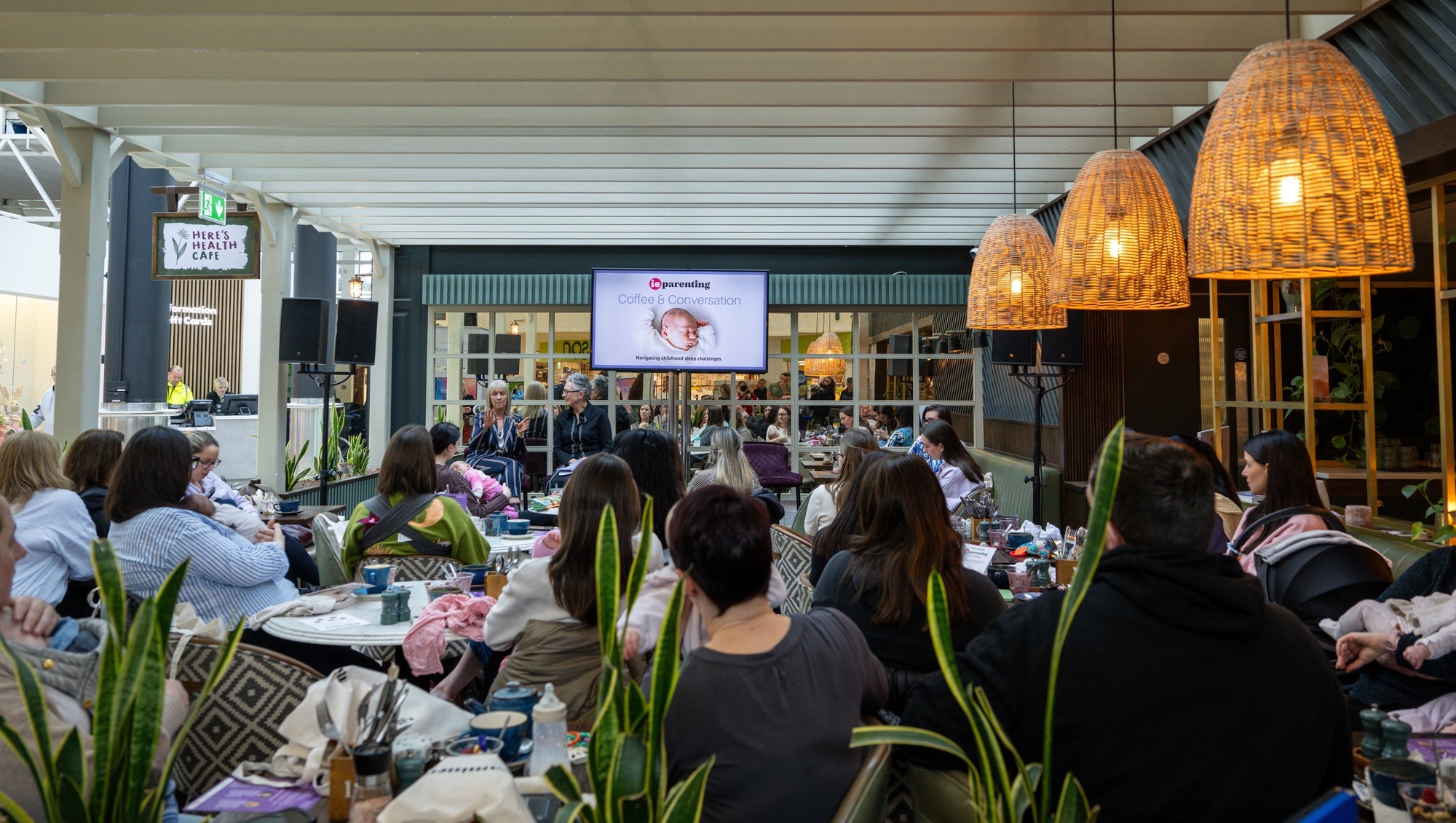
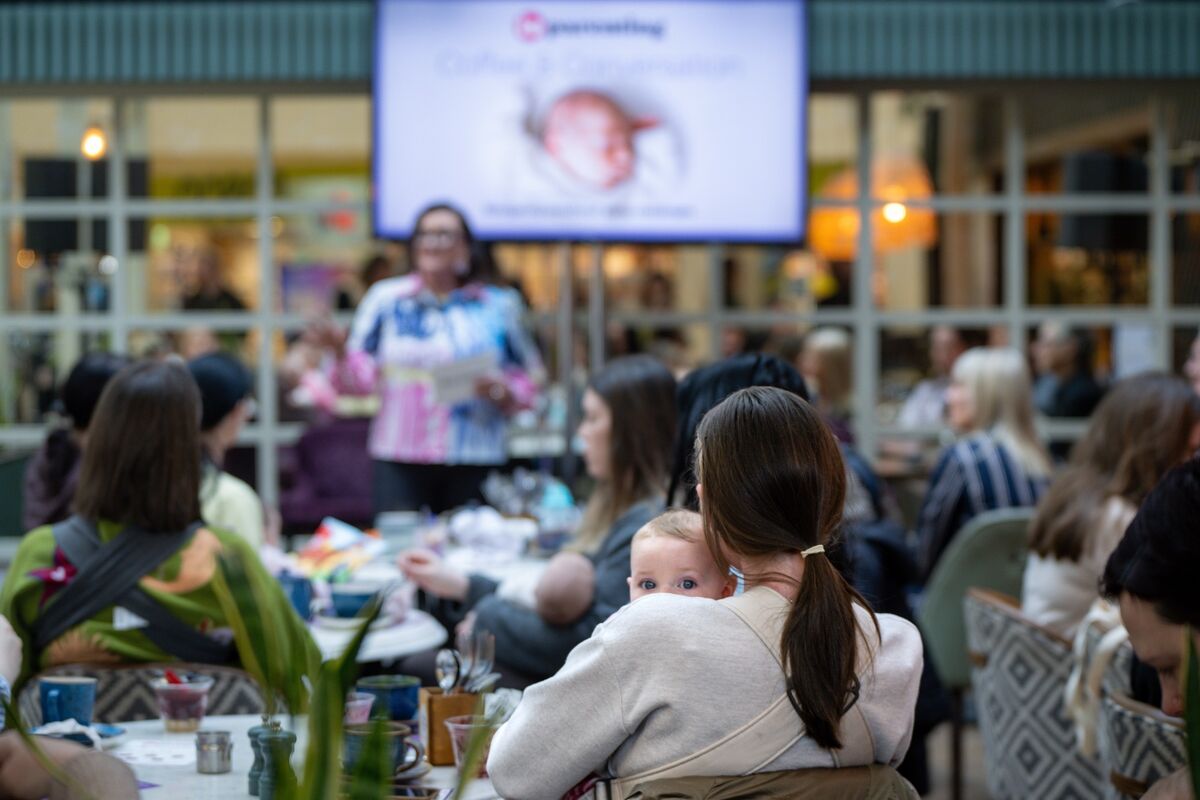
Lucy Wolfe, Irene Feighan and Esther McCarthy address attendees at the Irish Examiner Parenting coffee morning at Here’s Health in Douglas Court Shopping Centre. Picture Chani Anderson.
Paediatric sleep consultant and mum of four, Lucy Wolfe, has highlighted the importance for parents to “push back against expectations” and to allow parenthood to be imperfect.
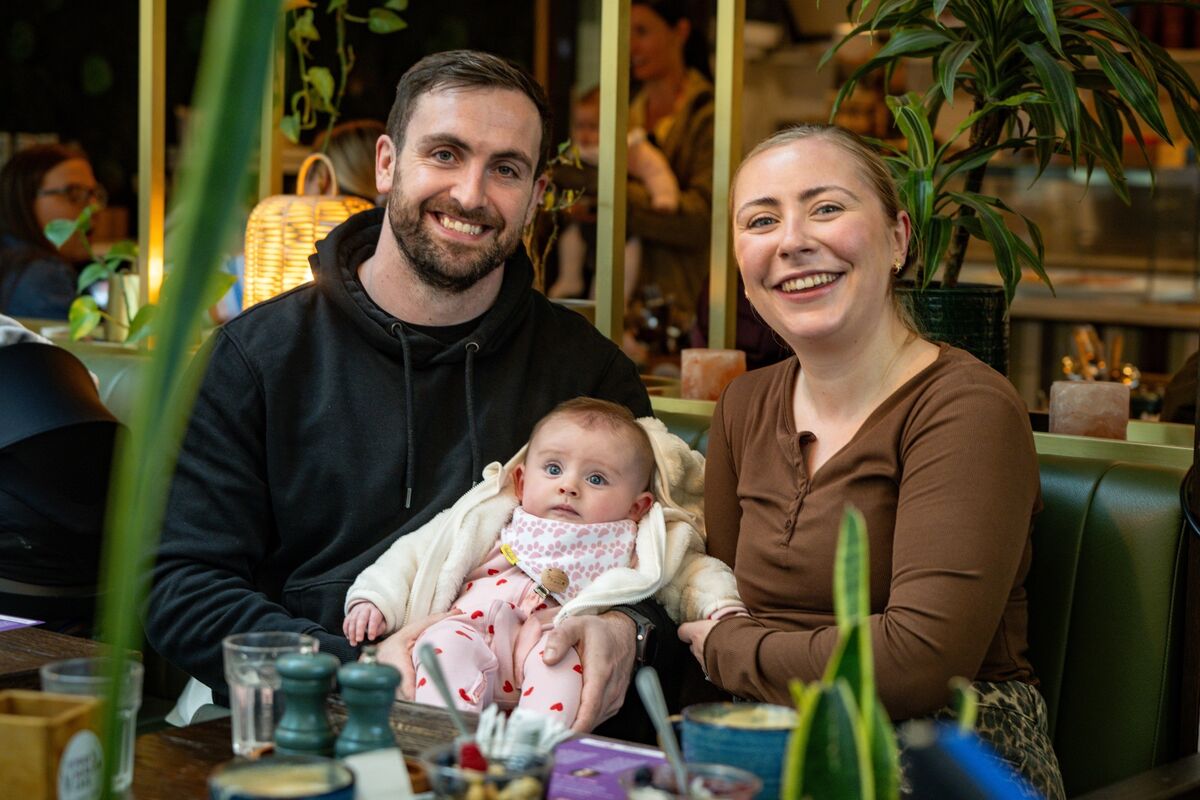
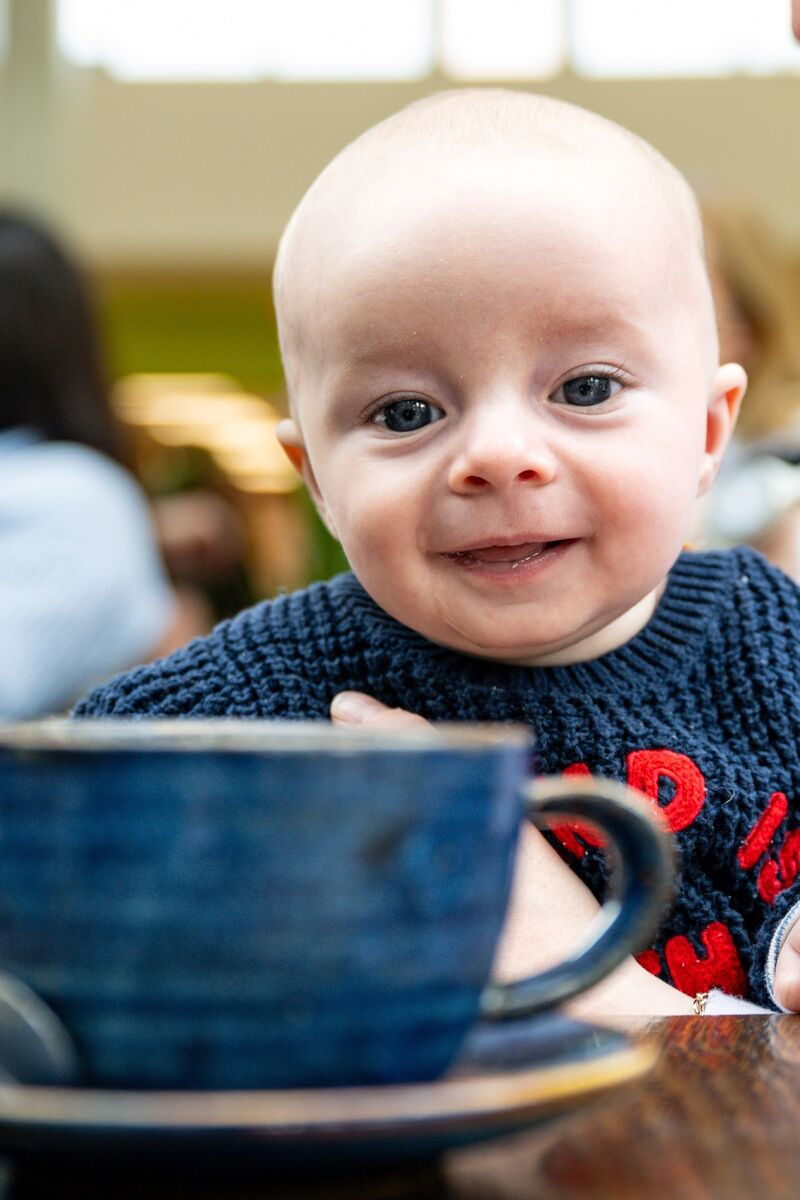
Wolfe was speaking at the ieParenting coffee and conversation event at Here’s Health in Douglas Court Shopping Centre on Tuesday morning, where parents and their little ones gathered for a ‘babes in arms’ event which explored sleep challenges and how to navigate them.
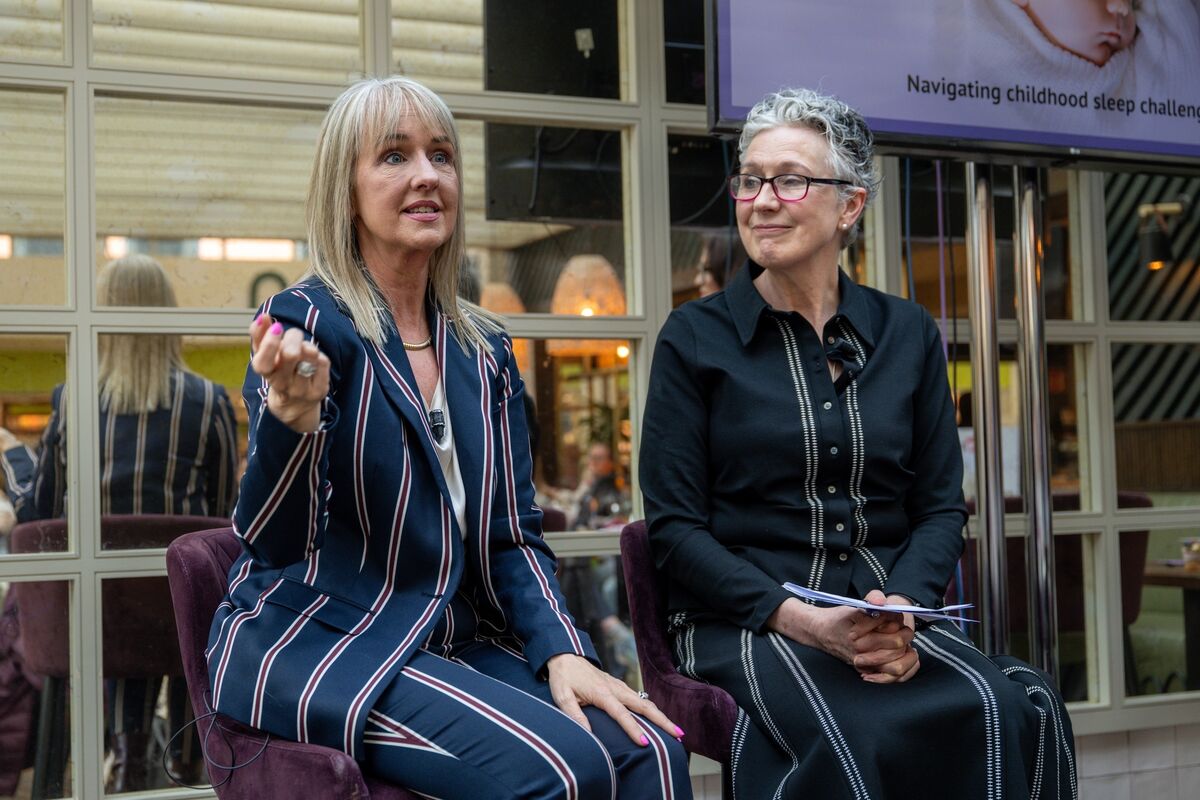
Head of Sleep Matters, Wolfe specialises in infant and child sleep problems, offering support and guidance to parents seeking to improve their children's sleep.
Bringing her holistic and child-centred approach to the coffee and conversation event, Wolfe discussed sleep patterns in children as they grow, and the importance of regulation, ritual, and independent sleep.

She touched on night-waking, regulation, and why rituals like bedtime and nap time routines are crucial, along with creating a sleep-conducive environment.
She spoke about what she describes as the predictions for sleep, which she explores using different pillars – regulation in the context of the circadian rhythm, regulation from an emotional perspective, having a ritual, and an independent style of sleep.
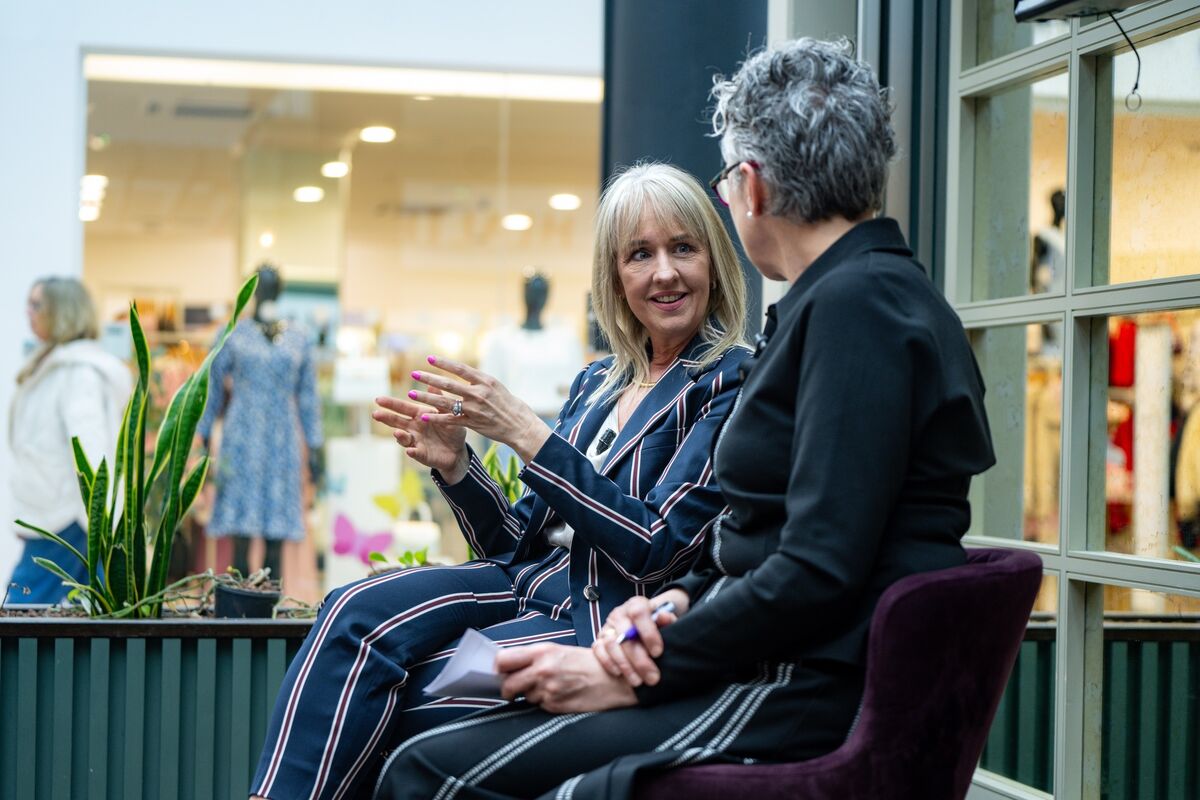
“Your regulation is your most powerful tool. So, getting up at the same sort of time every day, exposing baby to bright, natural light and movement. We benefit from this, so they benefit from it. And then letting the day unfold, so there is almost a rhythm and flow, because that's what our bodies benefit from. They benefit from rhythm and flow, and you're just trying to stimulate that,” she said.
Wolfe also touched on the importance of understanding sleep phases, including REM and non-REM sleep, and the concept of partial arousal, as well as recognising sleep cues, such as brief eye rubs and yawns, before the baby becomes overtired, acknowledging that not all babies will give these cues, which she said makes it more difficult to predict a tired baby.
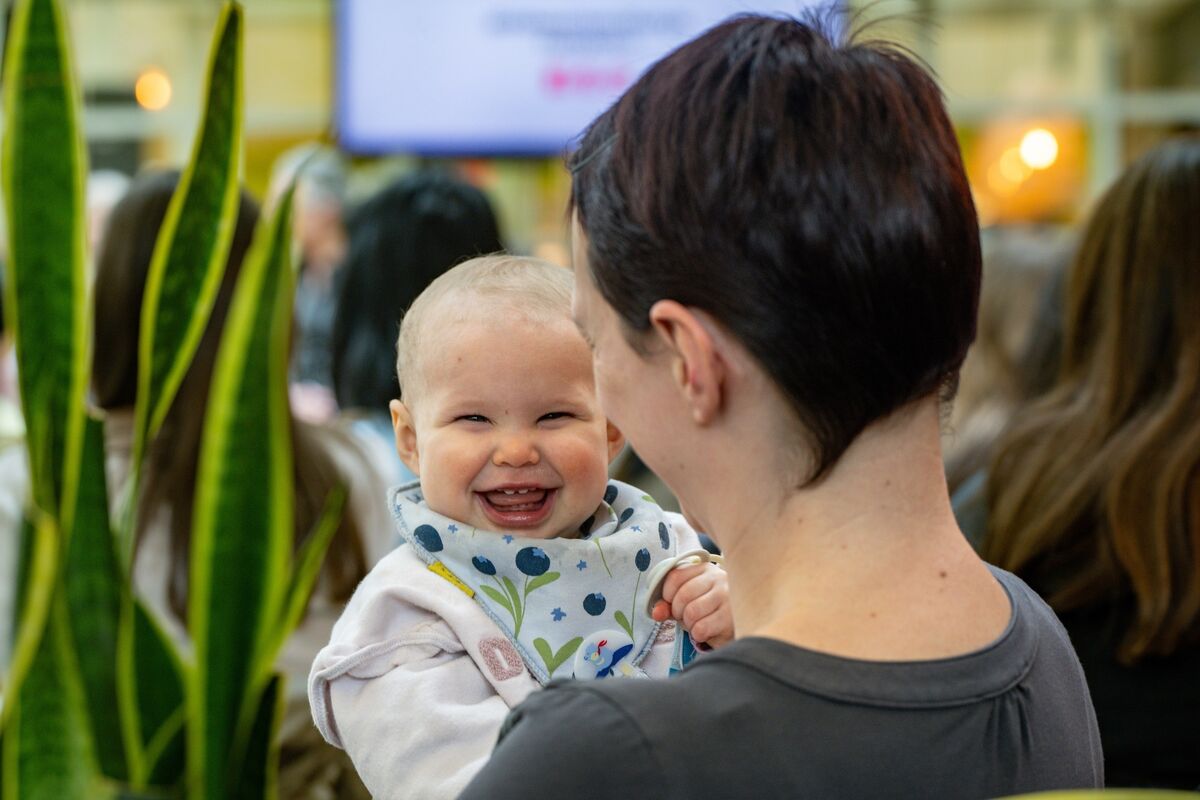
“If the baby becomes overtired, if a child becomes overtired, they have a stress response. So that's fight, flight, form, freeze – that's what occurs. What happens there is cortisol and adrenaline in the system, which makes it harder for them to go to sleep and also more challenging to stay asleep,” she said.
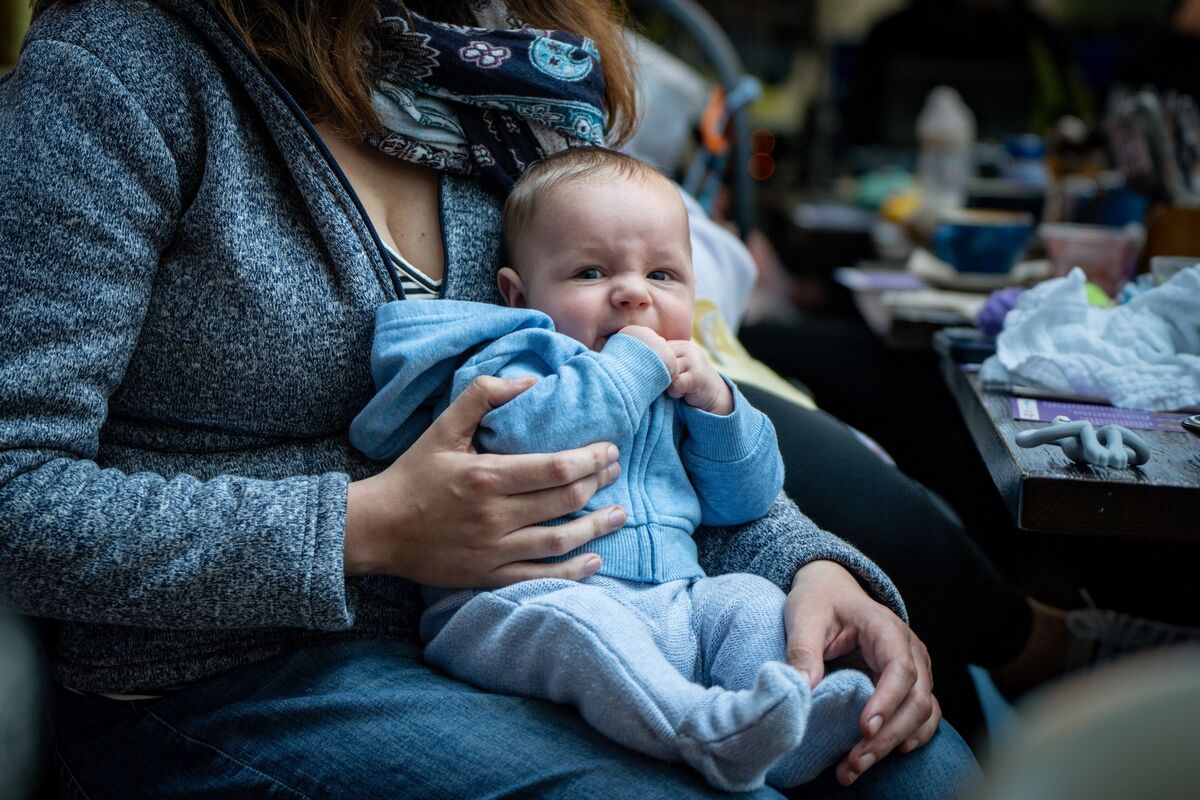
She touched on how a bedtime routine and nap time routine are big predictors for good sleep, better sleep, and longer sleep phases, as well as what she describes as an independent style of sleep, where, over time, “sleep literacy” is created, which she said becomes much more relevant as the child gets older.
“Once we get beyond this six month mark where the sleep has matured a little bit more, what we begin to see is children who are transferred already asleep to their sleep space – your co-sleeper, your cot, your bed – they're going to be two to three times more likely to wake than their counterparts that go in there awake or some bit awake. And why is that? Well, it's because of the way sleep is designed,” she said.
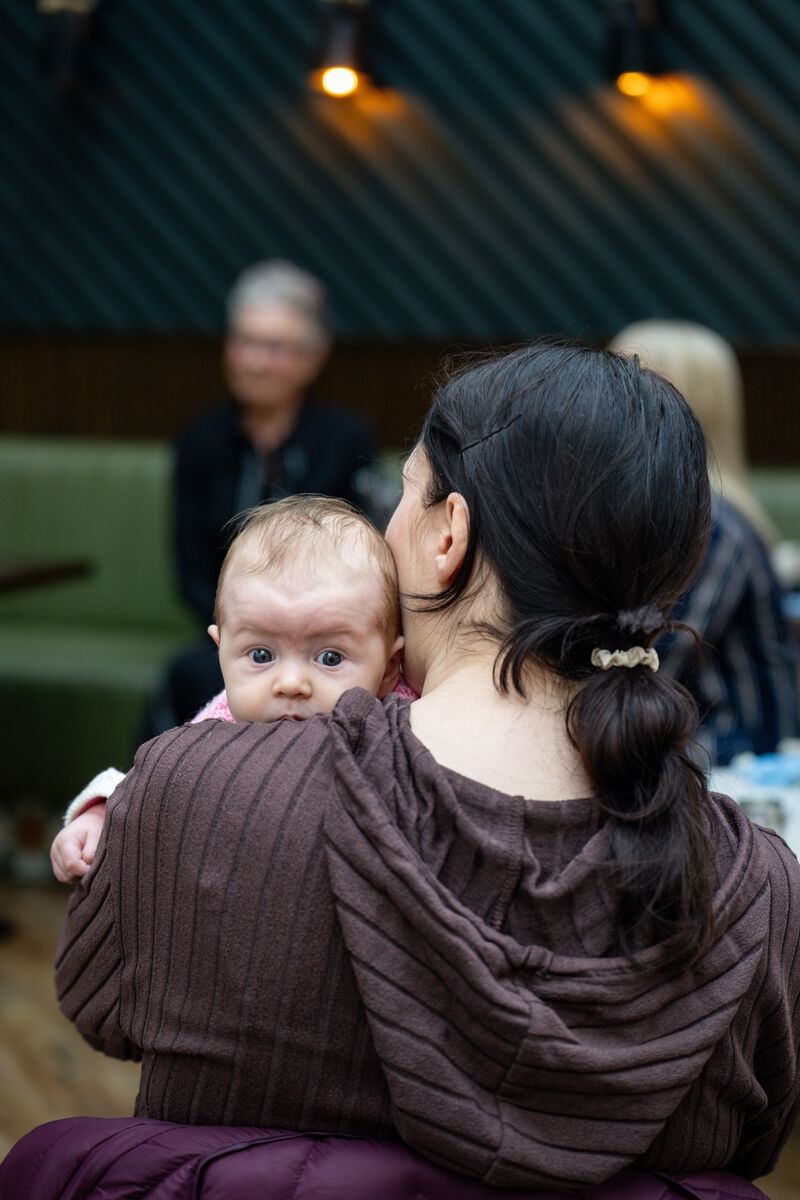
“Your baby begins to cycle through those sleep phases – REM sleep, non-REM sleep, and in between sleep phases, they have a little partial arousal. That partial arousal… the way I get you to think about it is there's like a check in system. So the check-in system is the brain saying, ‘Am I okay? Are things the same as they were when I first went to sleep?’
"So it's like an emotional setting. If they've changed – the boob is no longer in the mouth, the dummy is falling out, the arms are no longer around them – that partial awakening may become a complete arousal, and that's what sometimes contributes to lots of the frequent wakening that you experience.”
Touching on soothing aids such as dummies, white noise and music, Wolfe said that she believes in support, whatever that support might be.
“I would be a big fan of the dummy. If your baby wants to take a dummy once your breastfeeding has been established, and it feels like the right move,” she said.
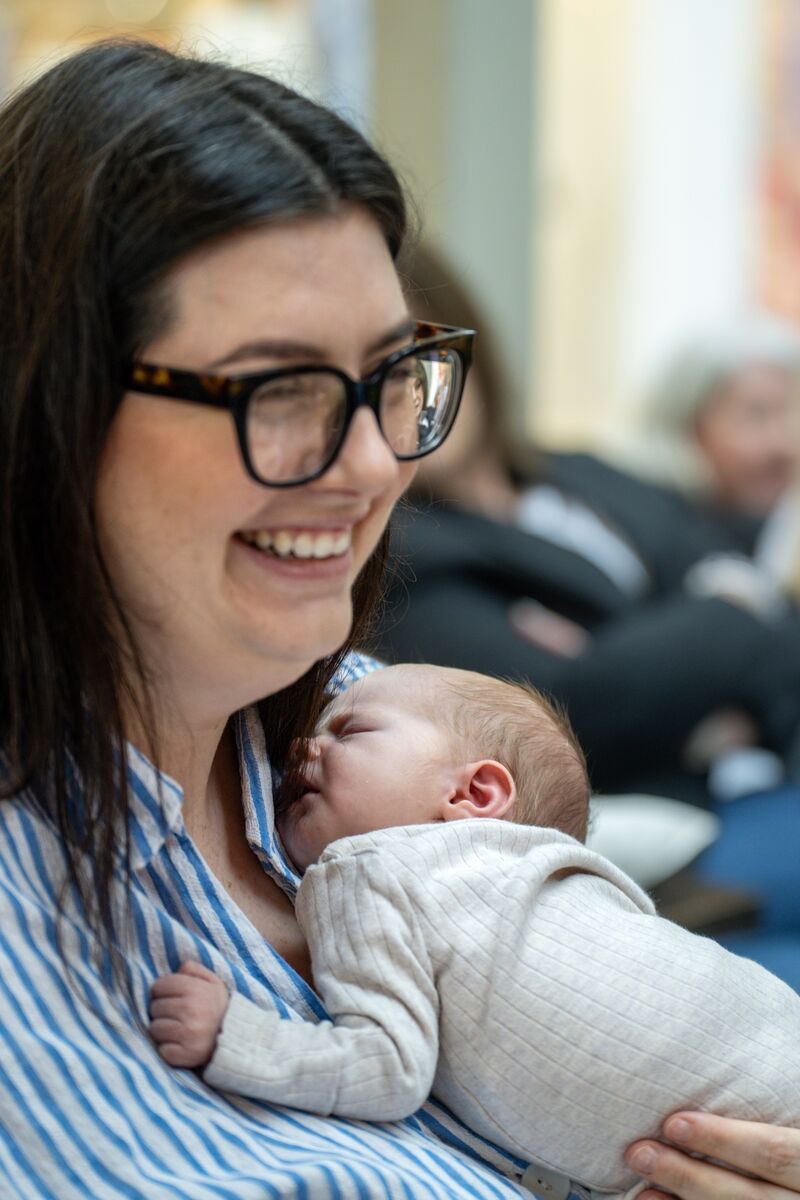
“How could anything that supports us and our babies be considered a negative? And I think of that for everything, the dummy, the hand holding, the rolling, the rocking, until it feels like it's unsustainable.”
Wolfe also touched on the importance of creating a safe and emotionally secure sleep environment for children, she said that having a room pitch black “can be disconcerting” and also favoured against having “things hanging over the cot, shadows on the wall, mirrors”.
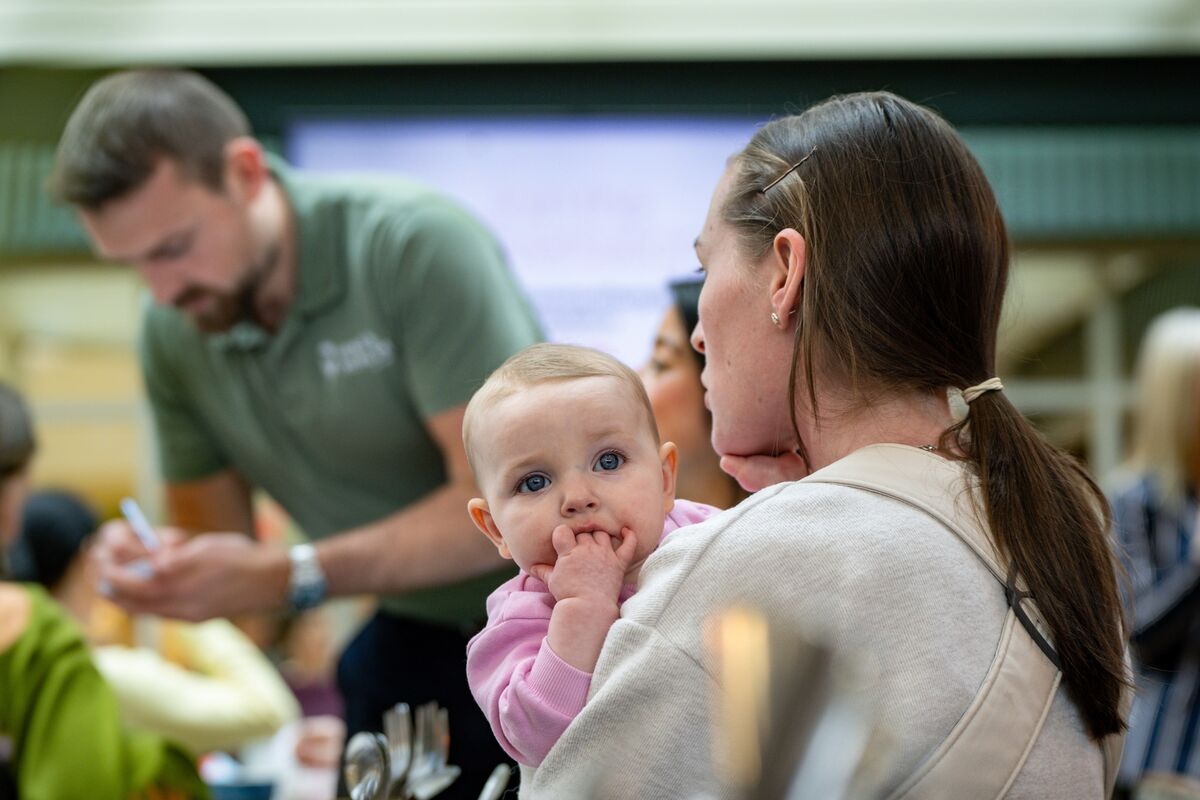
Wolfe also highlighted the importance of self-care for parents, including asking for help, not being overly self-sacrificing, dividing the labour, and the concept of “maternal gatekeeping”.
“There is a term called maternal gatekeeping. Let's not fall into that trap. Let it be imperfect. So the division of labour is shared. It's on us to do that," Wolfe said.
"And guess what? When we do that, what are we doing? We're modelling for our little people because you're raising them now to be the husbands and wives and mothers that you would like them to be…. Be your best advocate. We've been sold an absolute lie. You already know this.
"We cannot do it all, and at no period in our parenting history, our mothering history have women been asked so much of. We do need to ask for help, and if you don't have help, it’s about pushing back about those expectations.”
- If you want to read more about Lucy Wolfe's tips for better sleep, here are the most common childhood sleep-related questions that parents ask her.

CONNECT WITH US TODAY



Be the first to know the latest news and updates